Welcome to our comprehensive guide on creating effective hospital wayfinding signage systems. As a Scottsdale-based sign company with years of experience serving healthcare clients, Phoenix Sign Studio understands the pivotal role signage plays in shaping patient and visitor experiences. More than just directing foot traffic, strategic wayfinding signage has the power to reduce anxiety, improve safety, boost efficiency, and reinforce your hospital’s brand.
In this article, we’ll walk you through the anatomy of a holistic wayfinding signage solution to transform your hospital’s spaces into intuitive, stress-free environments. You’ll discover how impactful signage goes beyond basic navigation to create welcoming, confidence-inspiring spaces that support the delivery of excellent care. Let’s get started!
Centering the Patient Experience
Today’s healthcare consumers have high expectations when visiting a hospital or clinic – they want experiences as smooth and seamless as their favorite retail stores and restaurants. However, most healthcare environments present unfamiliar spaces, complex layouts, and stressful situations that lead to patient confusion and frustration.
That’s why a wayfinding signage solution centered around enhancing the patient experience is vital. Signs have the power to educate visitors, reduce uncertainty, and prevent disorientation. When designed strategically, they create spaces that patients can navigate independently, with confidence and reassurance. The result? Happier patients, more efficient staff, and a distinguished hospital brand.
Crafting Cohesive Messaging Architectures
The foundation of intuitive wayfinding is a thoughtfully designed messaging architecture – a framework of consistent messaging aligned across all signs. A strong architecture will enhance comprehension for diverse users while allowing flexibility for updates.
When planning sign content, put yourself in patients’ shoes. Guide them conversationally through spaces with familiar language while avoiding unclear abbreviations. Organize messages logically based on users’ needs. Finally, ensure consistency through standardized fonts, colors, and layouts across signs. The goal is to facilitate understanding instantaneously without confusion.
A Comprehensive Mix of Sign Types
Once your messaging architecture is defined, we advise designing a multi-modal wayfinding system comprising various sign types tailored to distinct purposes:
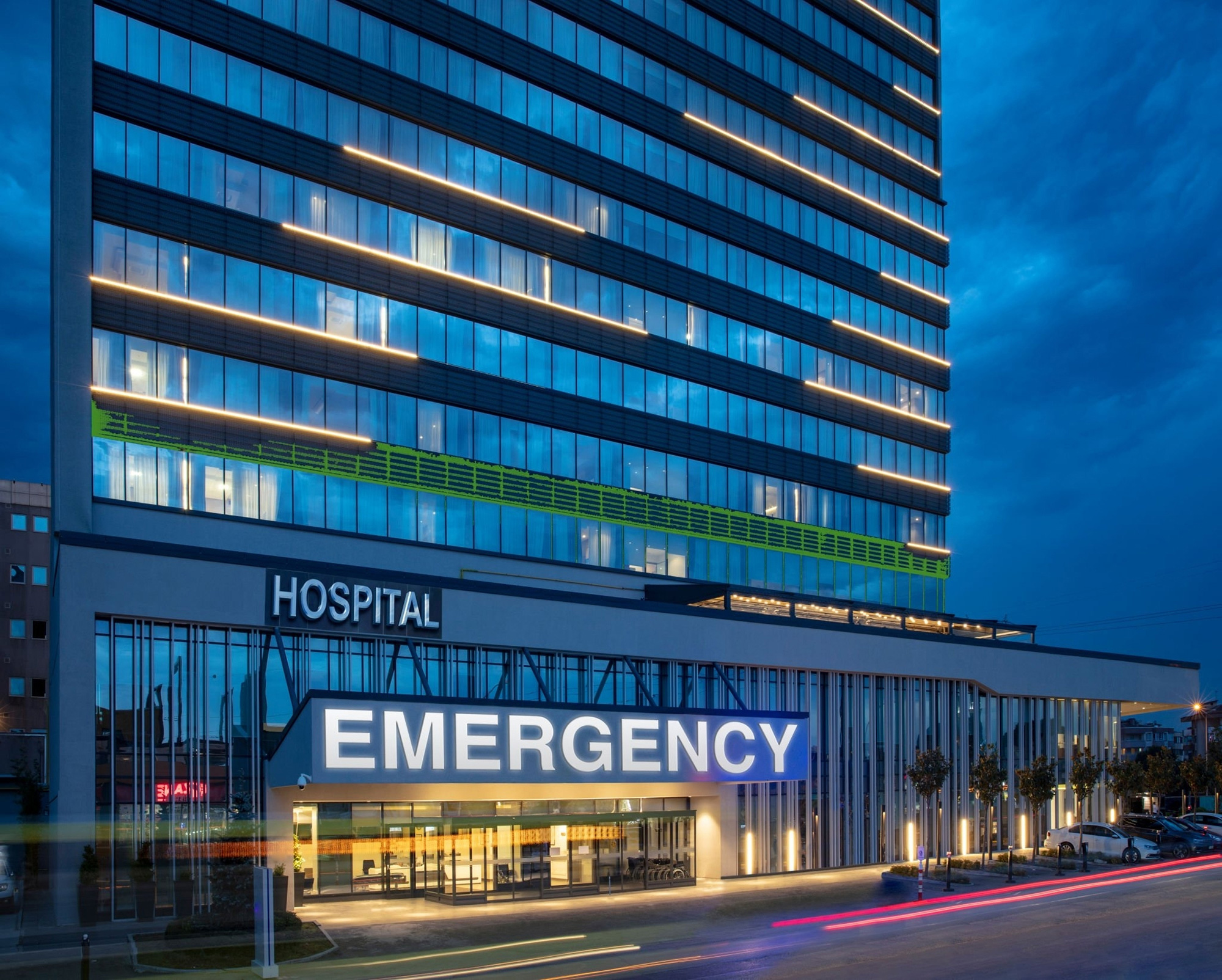
- Exterior signs greet visitors, brand spaces, and direct to key areas
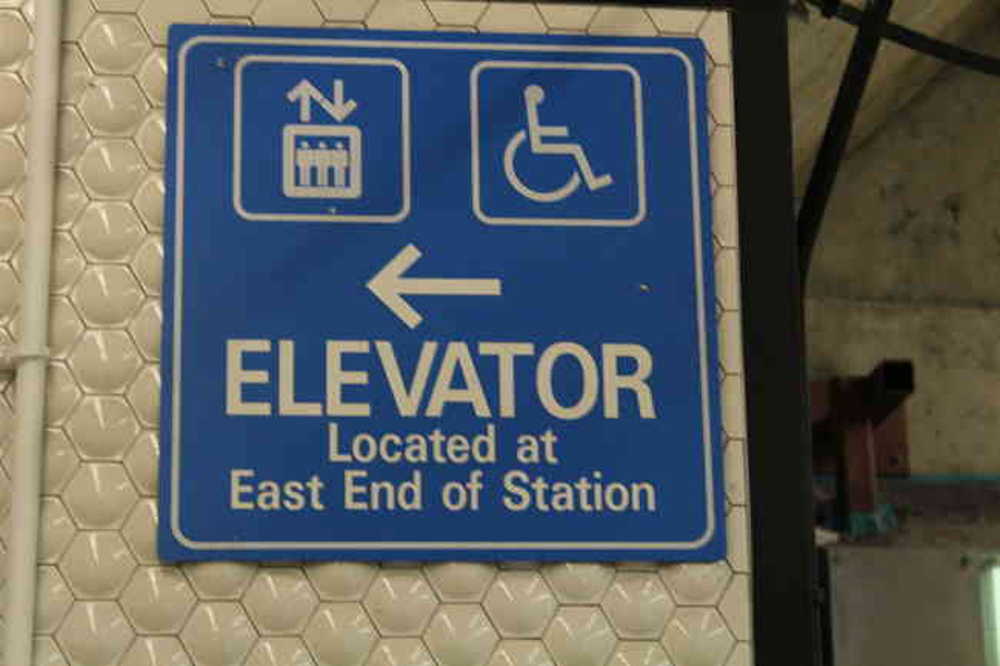
- Directional signs oriented visitors along paths and decision points
- Identification signs label departments, offices, and other spaces
- Informational and regulatory signs educate users on protocols
- Room signs help users distinguish and locate specific rooms
- Restroom signs mark facilities and provide ADA-compliance
- Safety and security signs highlight hazards, protocols, or resources
This diversity ensures users are guided at all steps of their journey. Sign types work cohesively to reduce disorientation – no more second-guessing where you are or where you need to go next!
Uplifting Spaces Through Design
Beyond functionality, signage presents a tremendous opportunity to uplift spaces aesthetically. As design specialists, we at Phoenix Sign Studio advocate for sign solutions that unify seamlessly with your environment through cohesive design languages.
We fuse form and function using shapes, materials, finishes and colors that align with your architecture and interior design. Incorporating artwork or photography introduces warmth while reinforcing branding. Even fundamental elements like typography, spacing and layout are optimized for readability and visual harmony.
The result is an intuitive wayfinding experience that delights users, not just directs them. Seamlessly embedded sign systems transform sterile healthcare spaces into uplifting, welcoming environments.
Evaluating Sign Locations Strategically
Even the clearest signs struggle to aid users if positioned poorly. That’s why a key step is strategically evaluating sign placement based on user paths, sight lines, decision points and other spatial factors. Signs positioned conspicuously along intuitive routes deliver information precisely when needed to influence movement or decisions.
During planning, we conduct on-site analyses to map ideal sign locations in context. We examine points causing hesitation, visual barriers, opportunities to reinforce branding, and more. Getting placement right ensures seamless wayfinding orchestration between signs. It’s the difference between a functional system and one that facilitates flow.
Future-Proofing Through Flexible Systems
Healthcare environments evolve frequently, so future-proofing signage for easy updates is essential. At Phoenix Sign Studio, we create flexible wayfinding systems using modular components. Sign types like directories or room signs are designed for adaptable content insertion. Digitally printed adhesive graphics allow rapid messaging changes without replacing full signs.
We also supply clients with digital signage assets and content management training for autonomous updates. And as new technologies emerge, we help clients integrate solutions like digital displays and mobile wayfinding.
By planning adaptability upfront through versatile sign construction, streamlined content swapping and simple integration of new technologies, we build systems ready for tomorrow’s needs.
Evaluating Wayfinding Experiences Holistically
With your new sign system installed, how do you gauge its effectiveness? Wayfinding encompasses more than just sign visibility – it’s about shaping intuitive, welcoming environments through strategic communication touchpoints.
Therefore, evaluation should examine holistic experiences. Survey patients on perceptions of stress, safety and positivity when navigating spaces. Assess visitor dwell times indicating confusion. Have staff report on directional request frequency and escorting needs. Monitor appointment late arrivals due to disorientation.
These metrics will reveal system gaps and opportunities to better guide users. They’ll also demonstrate signage’s impacts on patient wellbeing, staff efficiency and your hospital’s reputation.
Discovering the Transformative Power of Signage
We hope this guide has revealed how wayfinding signage, when strategically designed, elevates environments experientially while seamlessly facilitating movement through spaces. You now understand signage’s impacts on efficiency, safety, stress reduction and brand prestige.
At Phoenix Sign Studio, we specialize in co-creating sign systems that shape intuitive, uplifting hospital environments. Our human-centric approach delivers responsive wayfinding solutions tailored specifically for your needs and spaces. Discover firsthand how impactful signage allows your hospital to deliver best-in-class healthcare experiences.
We invite you to contact Phoenix Sign Studio today to explore how transformative sign systems can become vital touchpoints fostering positive patient and visitor interactions. Let’s discuss your hospital’s unique signage goals and challenges. Our team looks forward to helping you shape healthcare environments that comfort, reassure and inspire all who enter.