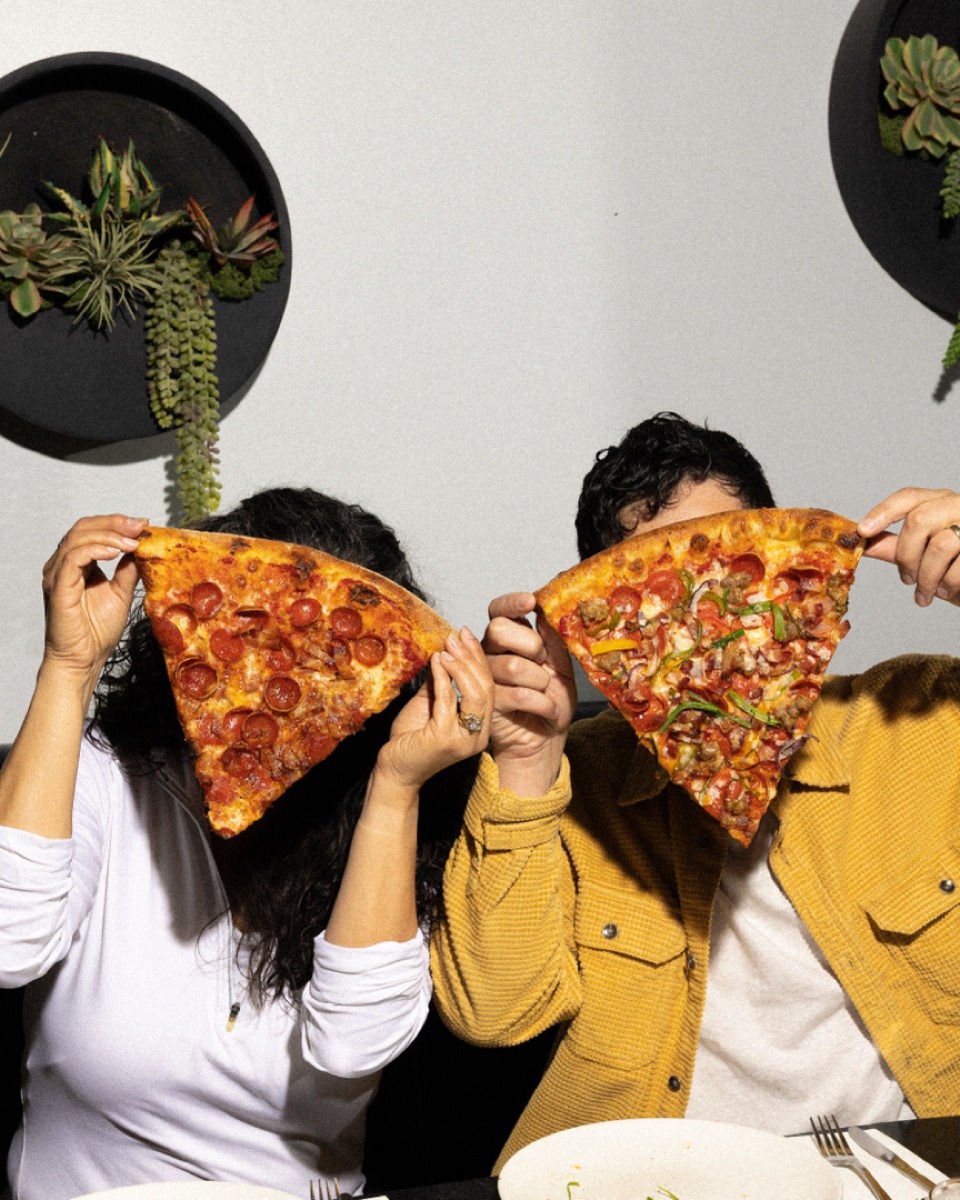
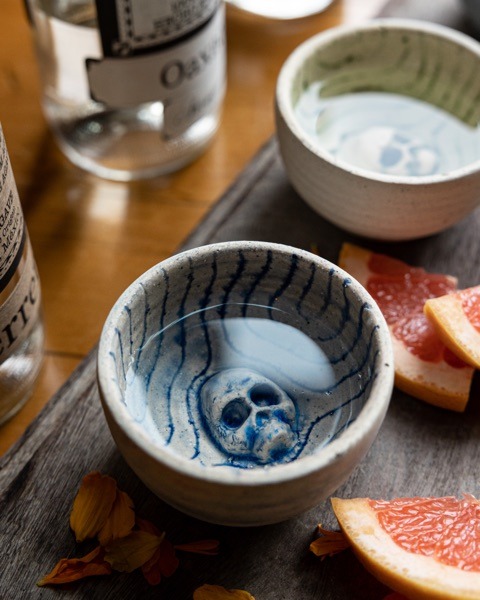
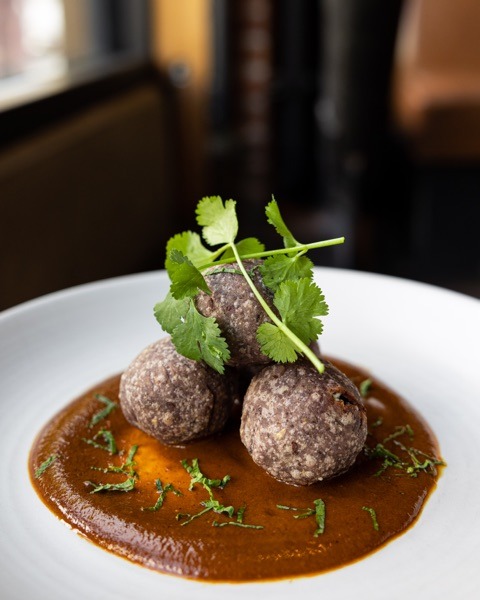
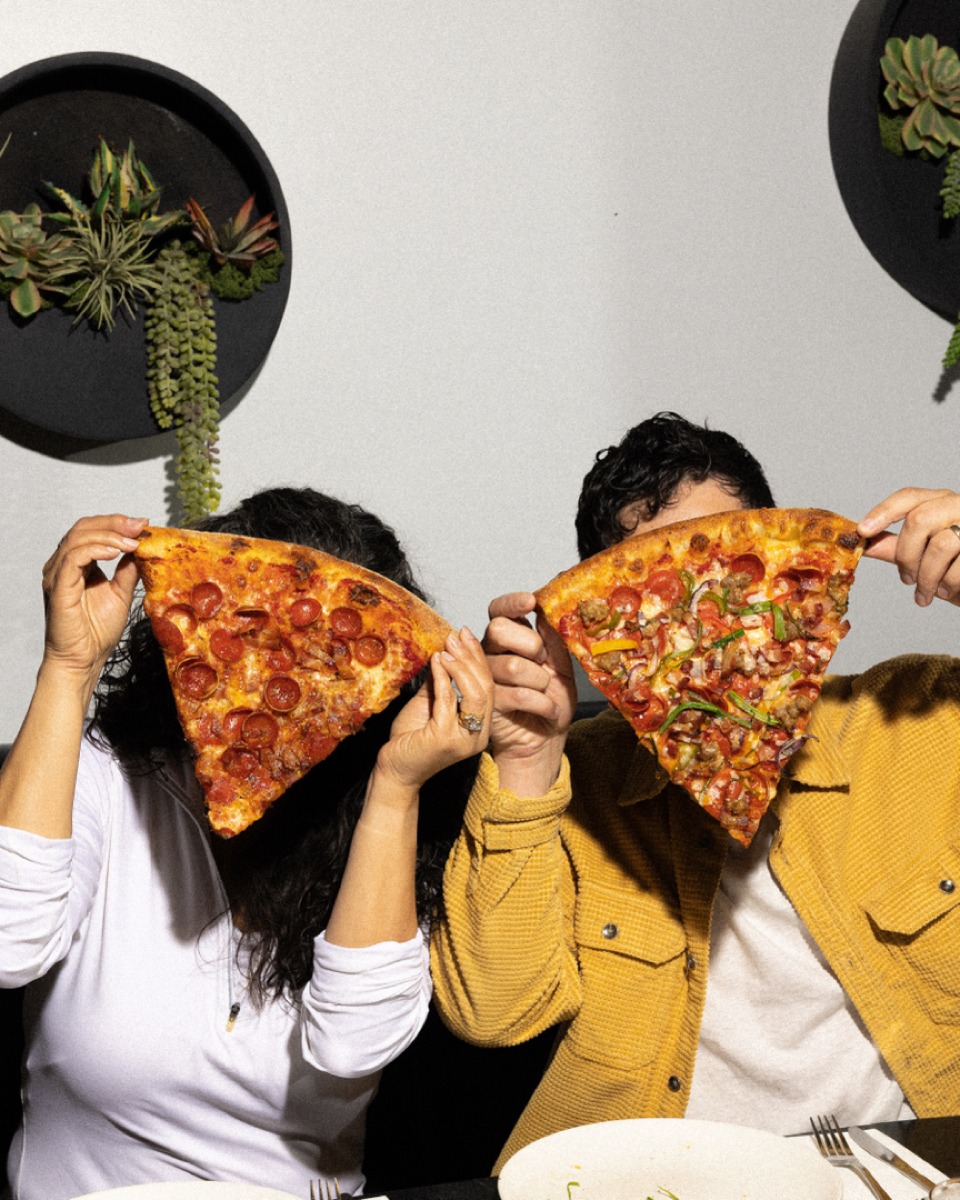
 Food photography is an art. It demands technical skill and creative vision. Professional food photographers employ various techniques to make dishes look irresistibly appetizing. The process involves careful planning, styling, lighting, and post-production editing to achieve mouth-watering results. Understanding this intricate process can help clients appreciate the value of professional food photography.
Planning and Vision
Before the camera even comes out, the photographer works with the chef or client to understand the goal. This planning phase helps shape the style of the shoot, guiding decisions about composition, lighting, and props. The better the plan, the better the final shot.
Setting the Scene
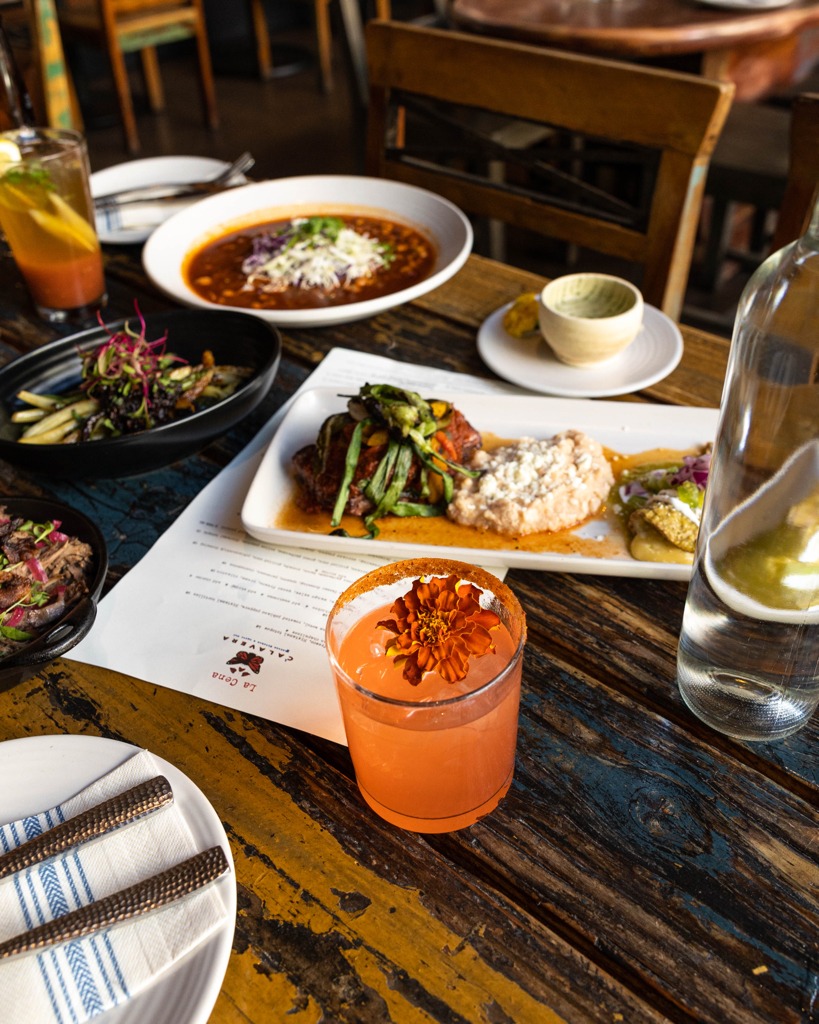
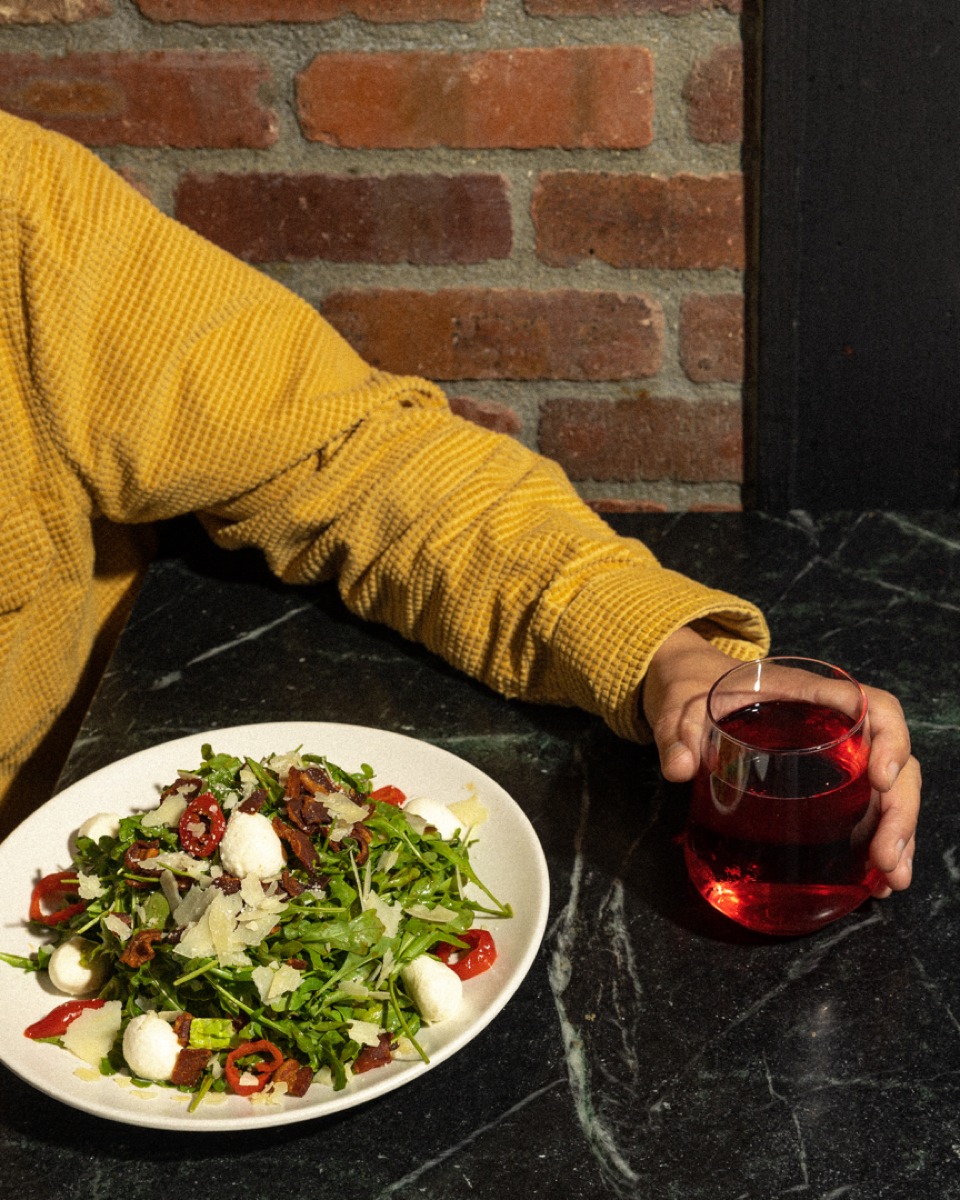
Once the concept is clear, it’s time to build the scene. Photographers choose simple yet elegant props like plates, utensils, and linens that complement the dish without overshadowing it. The background is usually kept neutral to ensure the food is the star of the image. Every detail in the frame must contribute to the overall aesthetic.
Mastering the Lighting
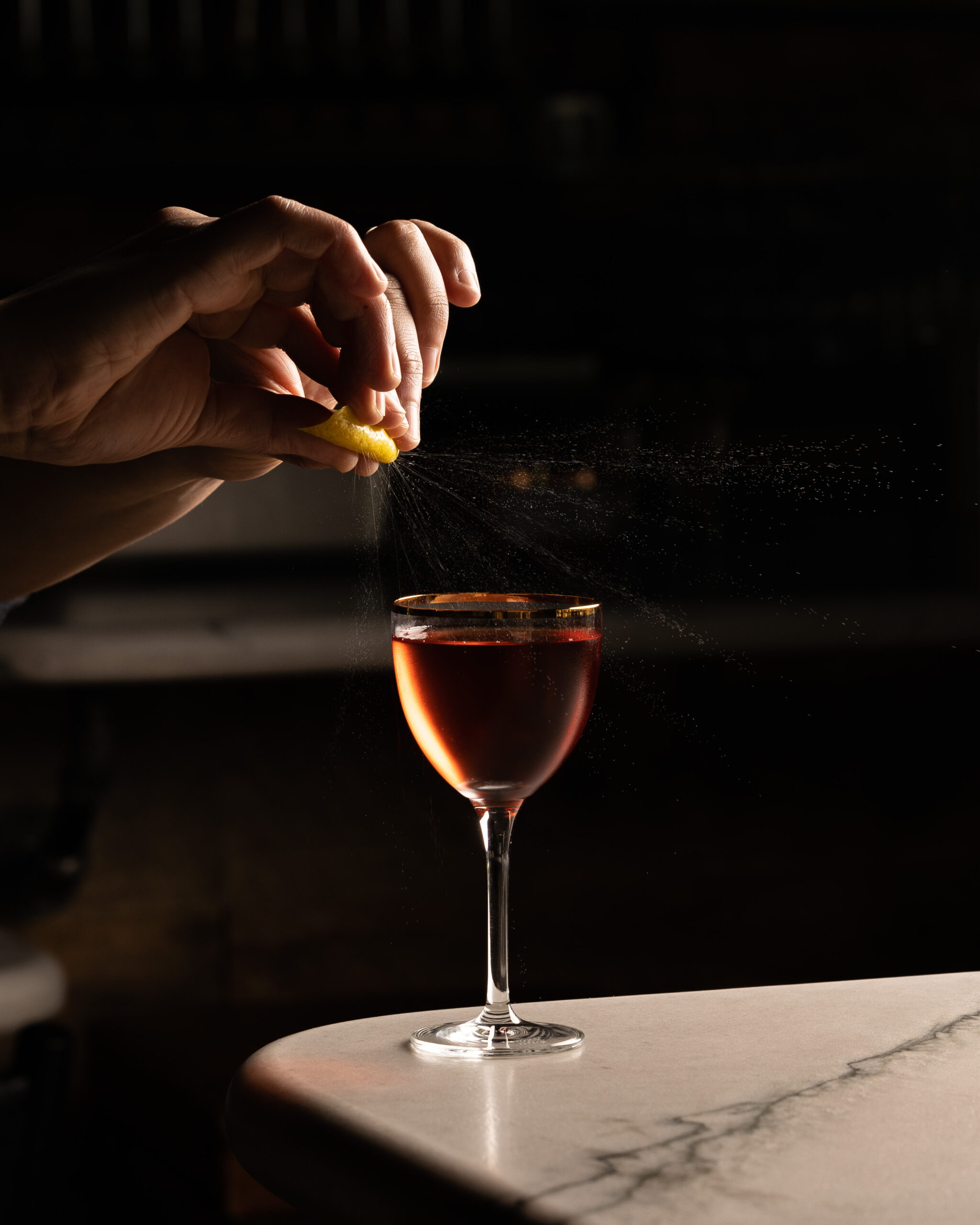
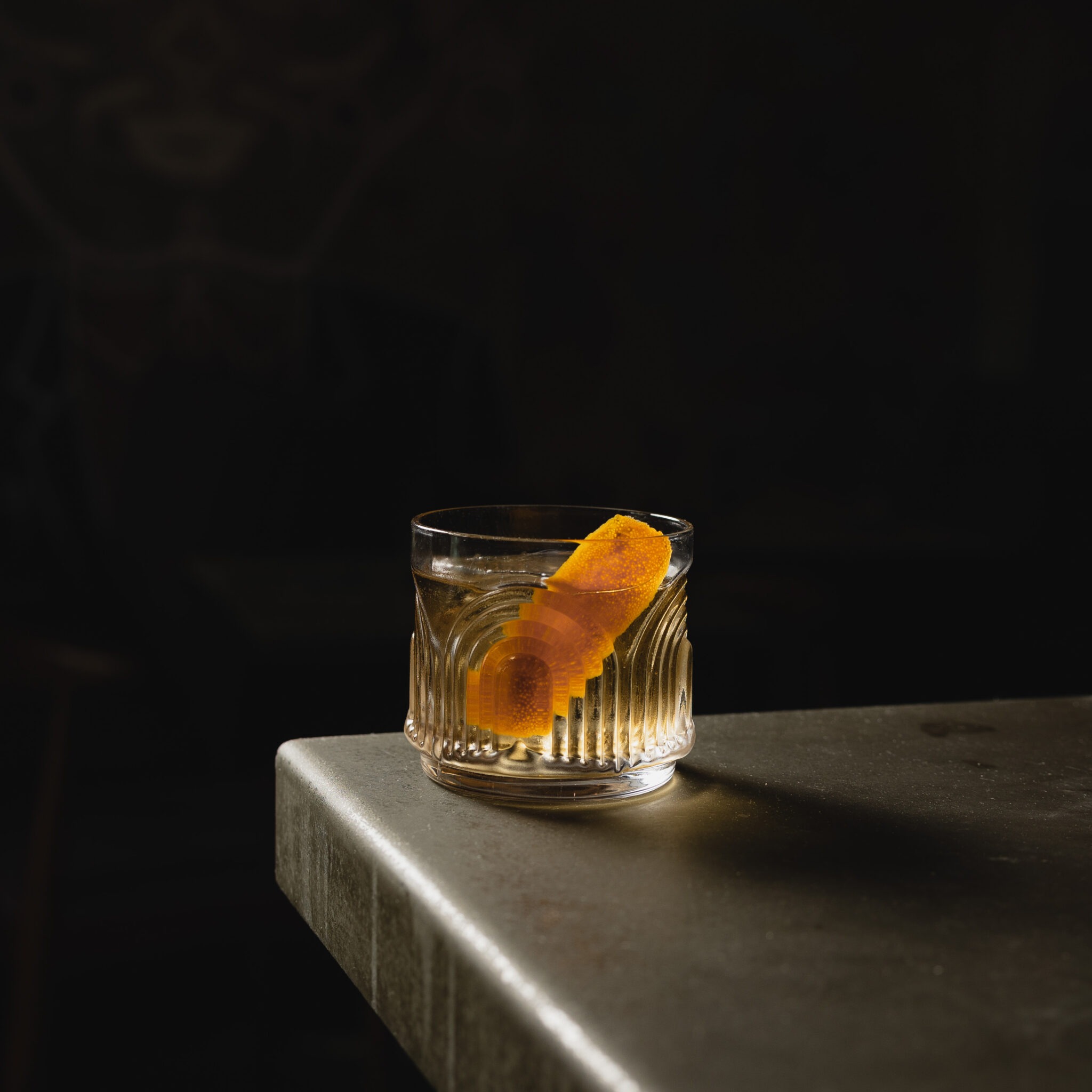
Lighting is crucial in food photography. Natural light is often preferred because it enhances the freshness and color of the dish. However, photographers also use controlled lighting setups to ensure shadows and highlights are balanced. Proper lighting brings out the textures and details that make food look enticing.
Styling the Dish
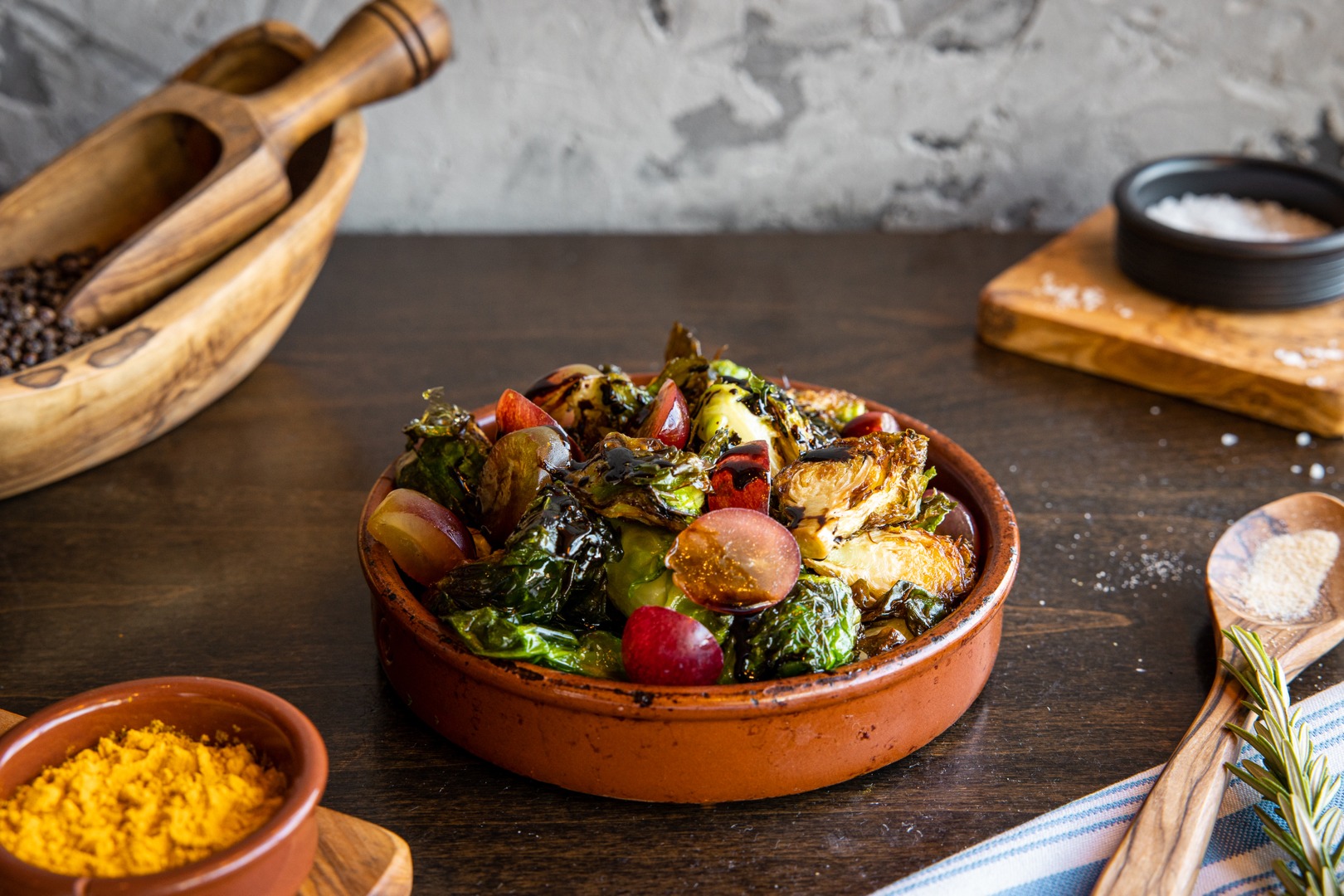
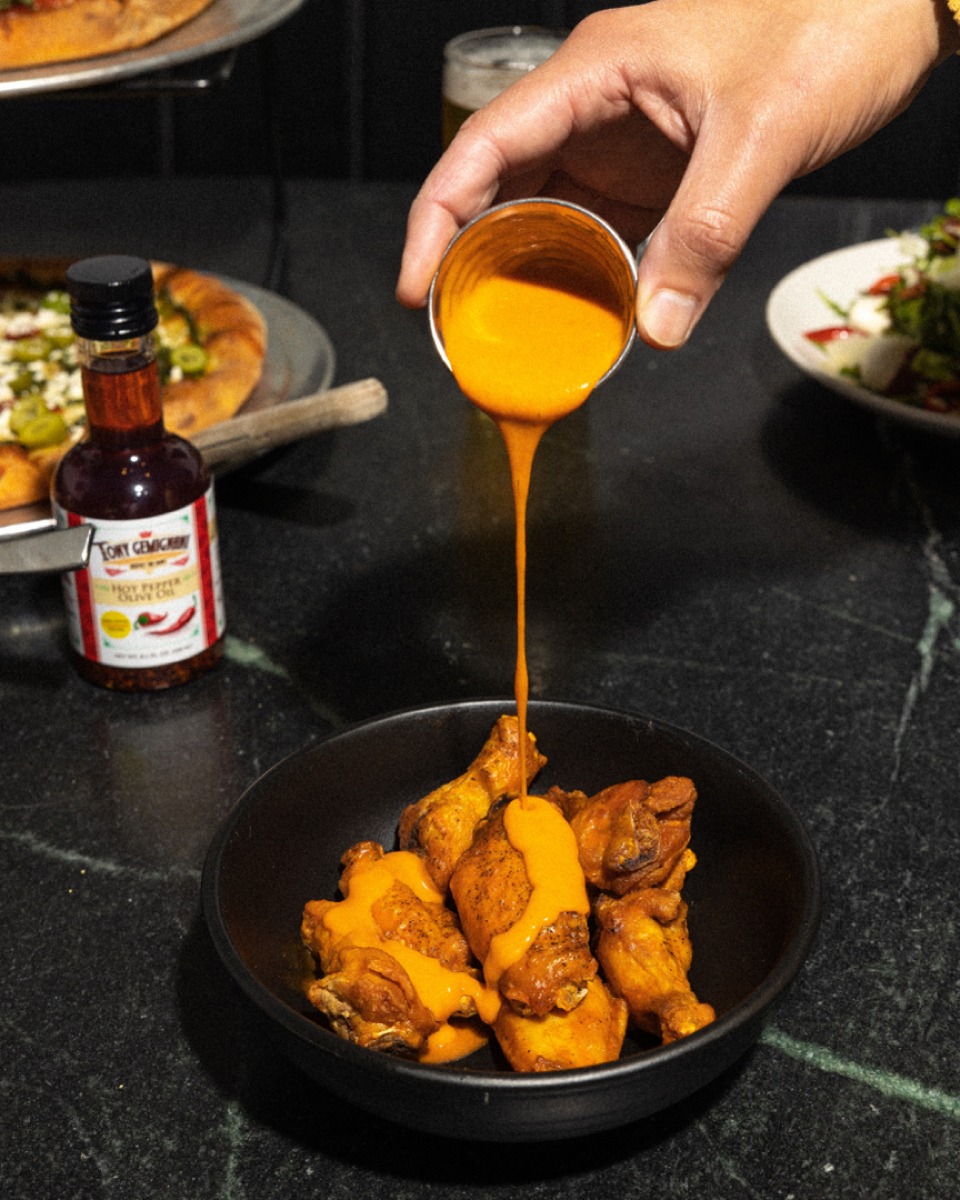
The presentation of the food is key. Photographers often collaborate with food stylists to make sure the dish looks its absolute best. This could involve adding extra garnishes, positioning elements just right, or using tricks like oiling the food to make it glisten. The goal is to make the dish look fresh, delicious, and inviting.
Capturing and Editing the Image
With the scene and dish ready, the photographer takes multiple shots from different angles, adjusting the composition to highlight the best aspects of the food. The final step is editing the images. In post-production, adjustments are made to enhance the lighting, contrast, and sharpness, ensuring the food looks as appetizing on screen as it does in person.
The food photography process is a meticulous journey from concept to final image. Each step requires attention to detail and a deep understanding of visual aesthetics. Food photographers can create stunning visuals that elevate any culinary brand by working closely with clients and utilizing their expertise. The result is a collection of images that showcase the food and tell a compelling story about the dining experience.
At LemonAd Media, we partner with passionate San Franciso Bay Area restaurant owners who recognize the transformative power of top-tier food and beverage photography. We collaborate with clients who prioritize quality, understanding that a strong online presence mirrors the excellence of their offerings. Our mission is to capture the unique culinary identity of each establishment through captivating imagery that conveys passion and artistry. Let LemonAd Media showcase your delicacies through stunning, high-quality photography.
Food photography is an art. It demands technical skill and creative vision. Professional food photographers employ various techniques to make dishes look irresistibly appetizing. The process involves careful planning, styling, lighting, and post-production editing to achieve mouth-watering results. Understanding this intricate process can help clients appreciate the value of professional food photography.
Planning and Vision
Before the camera even comes out, the photographer works with the chef or client to understand the goal. This planning phase helps shape the style of the shoot, guiding decisions about composition, lighting, and props. The better the plan, the better the final shot.
Setting the Scene
Once the concept is clear, it’s time to build the scene. Photographers choose simple yet elegant props like plates, utensils, and linens that complement the dish without overshadowing it. The background is usually kept neutral to ensure the food is the star of the image. Every detail in the frame must contribute to the overall aesthetic.
Mastering the Lighting
Lighting is crucial in food photography. Natural light is often preferred because it enhances the freshness and color of the dish. However, photographers also use controlled lighting setups to ensure shadows and highlights are balanced. Proper lighting brings out the textures and details that make food look enticing.
Styling the Dish
The presentation of the food is key. Photographers often collaborate with food stylists to make sure the dish looks its absolute best. This could involve adding extra garnishes, positioning elements just right, or using tricks like oiling the food to make it glisten. The goal is to make the dish look fresh, delicious, and inviting.
Capturing and Editing the Image
With the scene and dish ready, the photographer takes multiple shots from different angles, adjusting the composition to highlight the best aspects of the food. The final step is editing the images. In post-production, adjustments are made to enhance the lighting, contrast, and sharpness, ensuring the food looks as appetizing on screen as it does in person.
The food photography process is a meticulous journey from concept to final image. Each step requires attention to detail and a deep understanding of visual aesthetics. Food photographers can create stunning visuals that elevate any culinary brand by working closely with clients and utilizing their expertise. The result is a collection of images that showcase the food and tell a compelling story about the dining experience.
At LemonAd Media, we partner with passionate San Franciso Bay Area restaurant owners who recognize the transformative power of top-tier food and beverage photography. We collaborate with clients who prioritize quality, understanding that a strong online presence mirrors the excellence of their offerings. Our mission is to capture the unique culinary identity of each establishment through captivating imagery that conveys passion and artistry. Let LemonAd Media showcase your delicacies through stunning, high-quality photography.
San Leandro, CA - Discussing the Food Photography Process from a Photographer
SYNOPSIS: California residents explore the food photography process as it requires careful planning, attention to detail, and a deep understanding of lighting, composition, and styling.
Discussing the Food Photography Process with a Pro
BY: ,
Food photography is an art. It demands technical skill and creative vision. Professional food photographers employ various techniques to make dishes look irresistibly appetizing. The process involves careful planning, styling, lighting, and post-production editing to achieve mouth-watering results. Understanding this intricate process can help clients appreciate the value of professional food photography.
Planning and Vision
Before the camera even comes out, the photographer works with the chef or client to understand the goal. This planning phase helps shape the style of the shoot, guiding decisions about composition, lighting, and props. The better the plan, the better the final shot.
Setting the Scene
Once the concept is clear, it’s time to build the scene. Photographers choose simple yet elegant props like plates, utensils, and linens that complement the dish without overshadowing it. The background is usually kept neutral to ensure the food is the star of the image. Every detail in the frame must contribute to the overall aesthetic.
Mastering the Lighting
Lighting is crucial in food photography. Natural light is often preferred because it enhances the freshness and color of the dish. However, photographers also use controlled lighting setups to ensure shadows and highlights are balanced. Proper lighting brings out the textures and details that make food look enticing.
Styling the Dish
The presentation of the food is key. Photographers often collaborate with food stylists to make sure the dish looks its absolute best. This could involve adding extra garnishes, positioning elements just right, or using tricks like oiling the food to make it glisten. The goal is to make the dish look fresh, delicious, and inviting.
Capturing and Editing the Image
With the scene and dish ready, the photographer takes multiple shots from different angles, adjusting the composition to highlight the best aspects of the food. The final step is editing the images. In post-production, adjustments are made to enhance the lighting, contrast, and sharpness, ensuring the food looks as appetizing on screen as it does in person.
The food photography process is a meticulous journey from concept to final image. Each step requires attention to detail and a deep understanding of visual aesthetics. Food photographers can create stunning visuals that elevate any culinary brand by working closely with clients and utilizing their expertise. The result is a collection of images that showcase the food and tell a compelling story about the dining experience.
At LemonAd Media, we partner with passionate San Franciso Bay Area restaurant owners who recognize the transformative power of top-tier food and beverage photography. We collaborate with clients who prioritize quality, understanding that a strong online presence mirrors the excellence of their offerings. Our mission is to capture the unique culinary identity of each establishment through captivating imagery that conveys passion and artistry. Let LemonAd Media showcase your delicacies through stunning, high-quality photography.