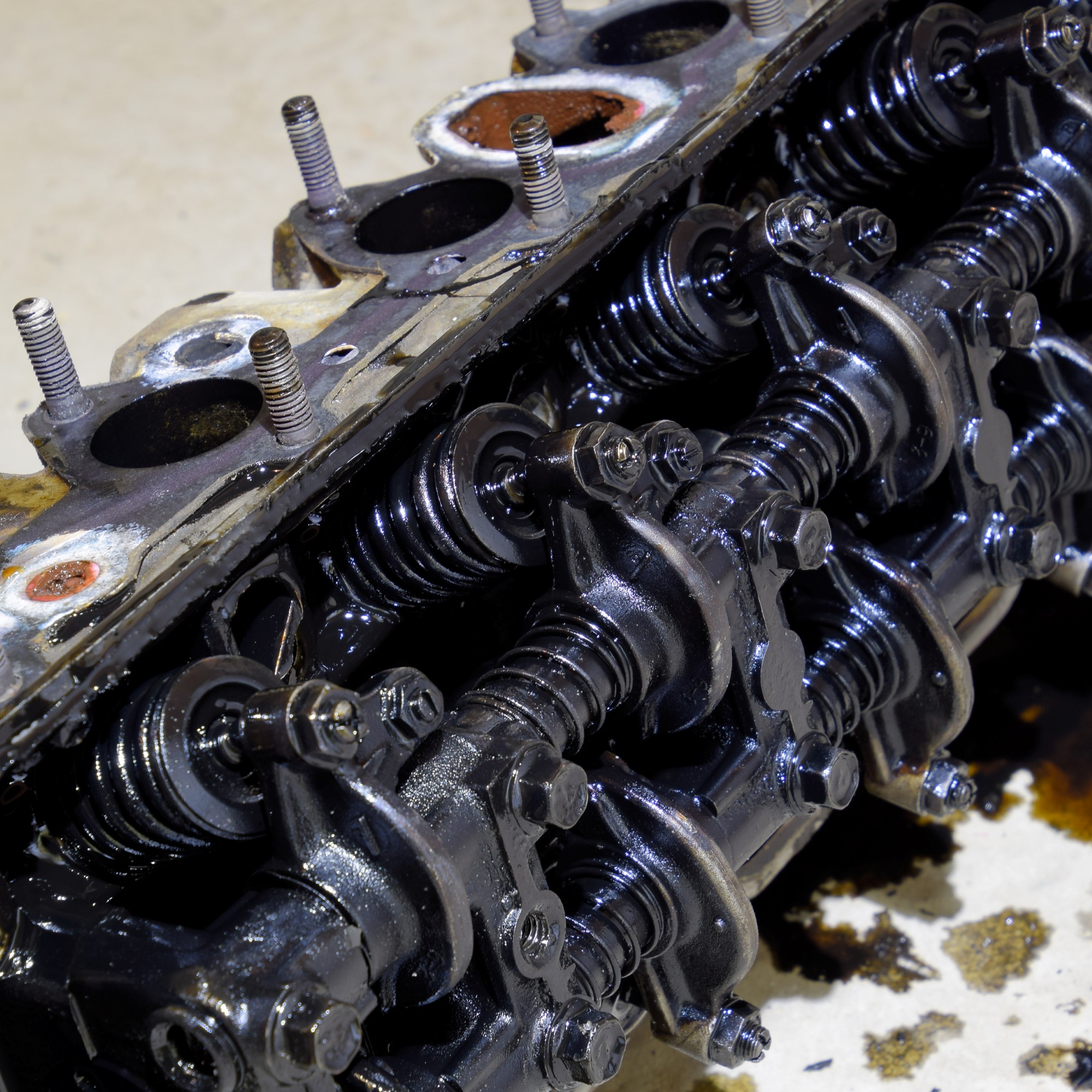
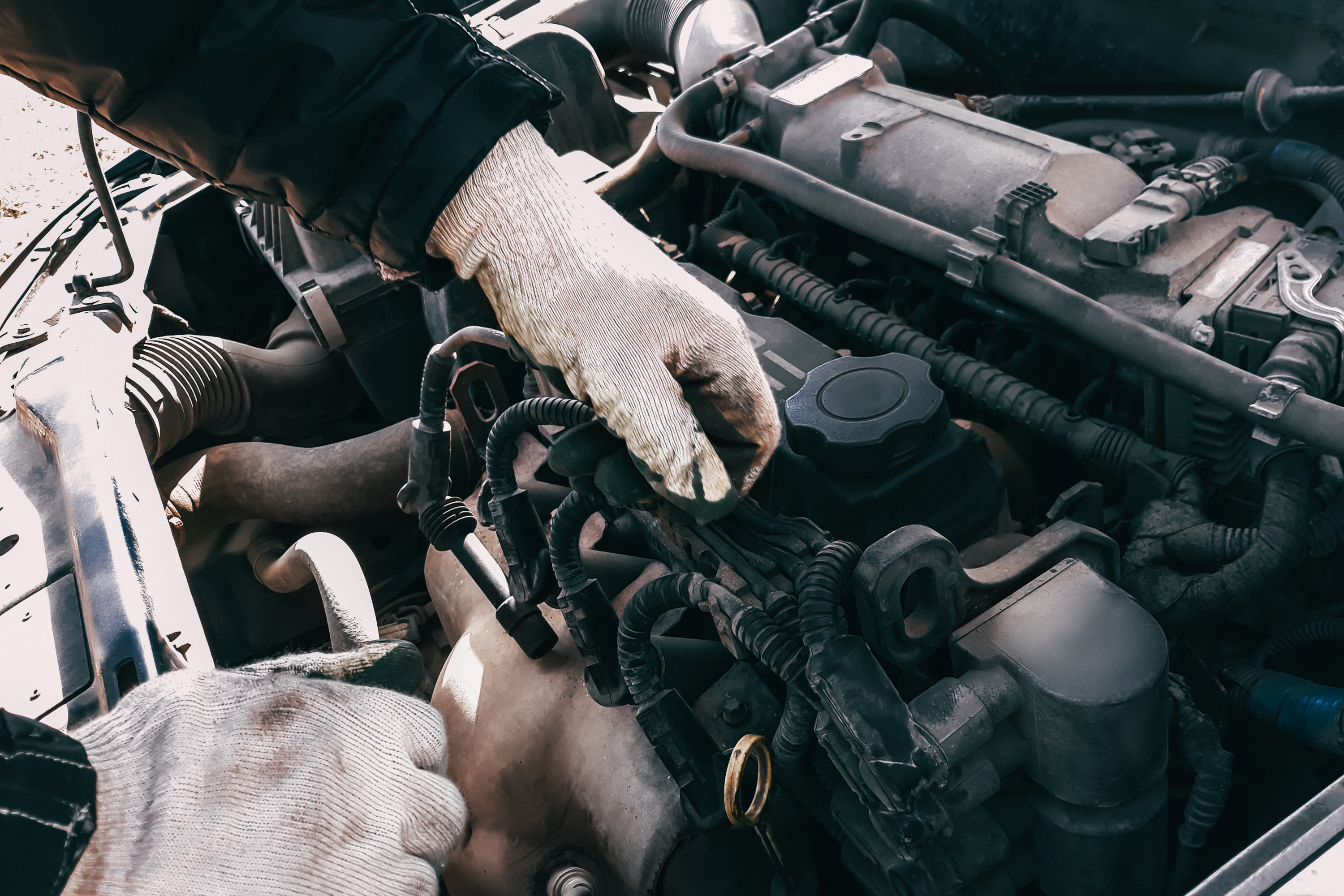
 Contrary to what most drivers assume, engine failure is not usually marked by dramatic smoke, flashing lights, or sudden shutdowns. Instead, engines often fail quietly and slowly, with subtle shifts in behavior that most people miss or misread. In Daly City, where steep grades, foggy mornings, and stop-and-go traffic all place heavy demand on engines, those small signs can appear sooner than expected. At Cowden Automotive, located in San Francisco and serving Daly City drivers, we specialize in spotting these early warnings before they turn into massive repairs. The difference between a small fix and a catastrophic rebuild often comes down to whether those early whispers were taken seriously.
When You’re Burning Oil Without a Leak, Something Internal Is Breaking Down
Many modern engines, especially those made between 2015 and 2021, experience elevated oil consumption due to internal mechanical wear rather than external leaks. You may add a quart between oil changes and assume it is normal aging, but that consumption usually indicates valve guide wear, stuck piston rings, or worn cylinder walls. These conditions allow oil to pass into the combustion chamber, often leaving no visual trace except subtle tailpipe smoke during acceleration. We use crankcase pressure testing, borescope inspection, and oil consumption logging to determine whether the oil is being burned due to faulty design or ongoing internal wear. If left unchecked, oil burning damages catalytic converters and sensors, reducing efficiency long before failure lights ever activate.
A Rattle at Startup Means More Than Just Age
Many drivers brush off cold-start rattles as harmless noise, especially if they go away quickly, but that assumption can lead to severe timing damage. Engines with variable cam timing, including Toyota, Ford, and Honda models after 2012, rely on clean oil pressure and intact tensioners to maintain proper camshaft phasing. When guides crack or timing chains begin to stretch, cam-phaser delay causes a brief rattle, which worsens as wear accelerates. This symptom is more than a nuisance; it is your engine telling you that valve timing has begun to slip and chain tension is no longer reliable. We perform cold-start deflection testing, verify phaser locking behavior, and inspect oil-fed VVT components to catch this issue before it escalates into skipped timing or piston contact.
If You Lose Power Under Load, You Are Already Mid-Failure
If your car feels strong while cruising but loses performance during hills or highway merging, your engine is not struggling; it is actively protecting itself from deeper failure. This specific pattern often occurs in turbocharged or high-compression engines where sensor accuracy, ignition strength, and fuel delivery must remain flawless under stress. From clogged fuel injectors and dirty mass airflow sensors to worn ignition coils or detonation-prevention strategies, modern ECUs compensate silently for failing systems. We replicate high-load conditions on the road, then monitor real-time fuel trims, air mass, and spark advance to see where the performance is breaking down. Waiting until the engine can no longer compensate means pushing your car until the damage becomes irreversible.
Some Misfires Will Never Trigger a Check Engine Light
Not all misfires are violent, code-triggering events; many begin subtly, especially at high RPM or under partial throttle, and can go undetected for months. These partial combustion failures are usually caused by weak coils, fouled plugs, or borderline fuel delivery pressure—problems the ECU often masks through spark retard or adaptive fuel compensation. If your vehicle stumbles under acceleration or idles inconsistently without logging a code, you are not in the clear; you are just early in the failure curve. We use oscilloscope-based coil testing, cylinder contribution analysis, and high-speed fuel pressure logging to find these issues while they are still inexpensive to fix. Detecting a misfire before the system does is the only way to stop it from destroying catalytic converters or damaging pistons.
Fuel Economy Is One of the First Systems to Fail When the Engine Struggles
While most people think poor fuel economy is caused by traffic, tire pressure, or weather, it often signals that something deeper is beginning to go wrong inside the engine. When combustion efficiency drops due to intake leaks, sensor drift, or dirty injectors, your engine compensates by using more fuel without delivering any more power. This process happens gradually, which is why most drivers do not notice it until several tanks of gas have already disappeared. We analyze closed and open-loop fuel trims, monitor injector pulse width, and test oxygen sensor responsiveness to locate the exact reason fuel economy is declining. Restoring efficiency early protects every major part of the engine, from the rings to the catalytic converter, and often costs far less than waiting.
Ignoring One Small Symptom Always Leads to a Bigger One
The most expensive repairs we perform are almost never the result of a single catastrophic part failure; they are the result of several ignored minor issues that snowball into major damage. A small oil consumption problem leads to fouled plugs, which trigger misfire under load, which causes injector overcorrection, and finally results in catalytic converter meltdown. At Cowden Automotive in San Francisco, we help Daly City drivers take control of their engine health by diagnosing issues when they are early, subtle, and solvable. We use advanced diagnostic tools to test engine performance under real conditions, not just parked scans or static code reads. If your vehicle feels different, weaker, louder, or lazier—even slightly—call us at (415) 777-9858 before that symptom becomes a serious bill.