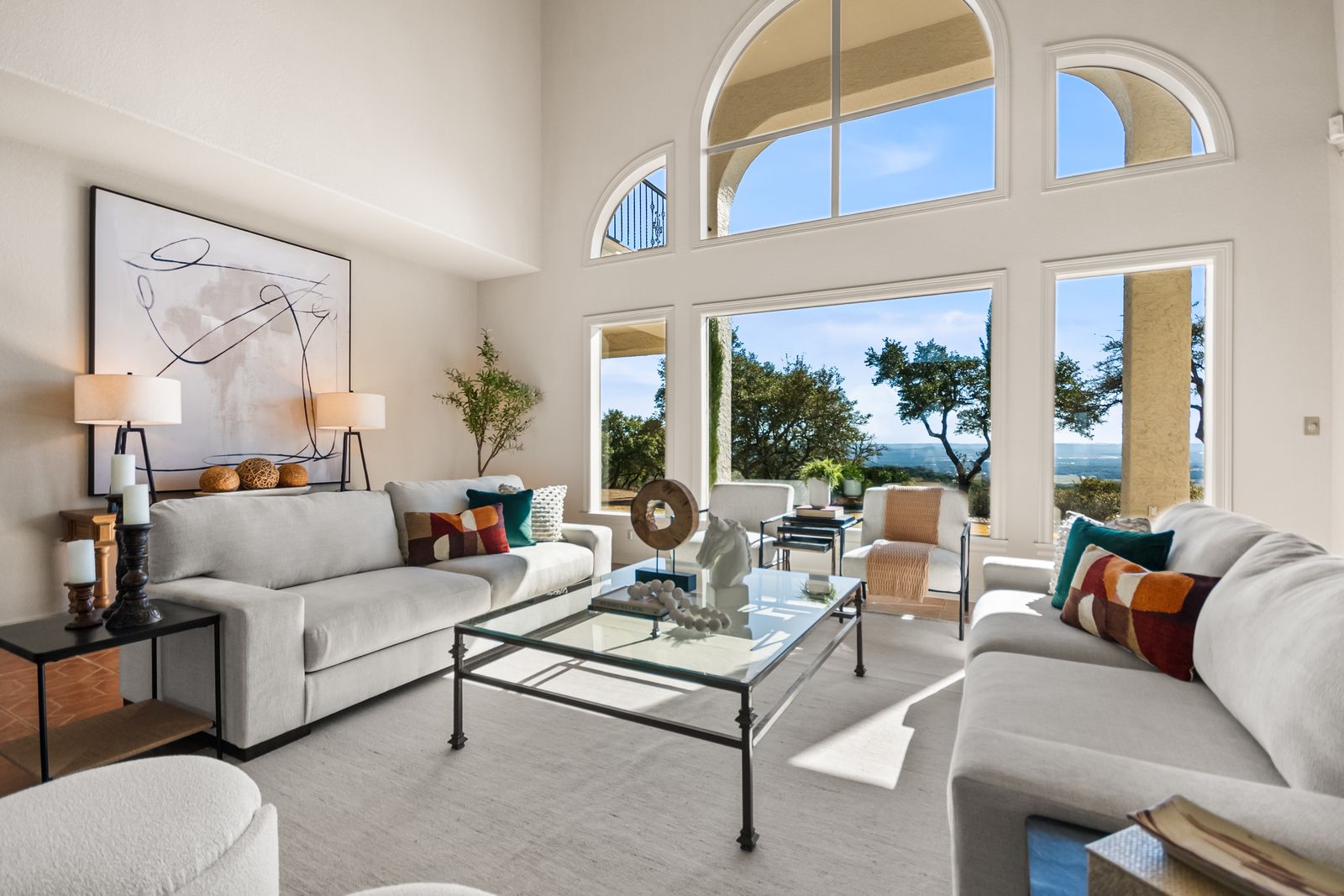
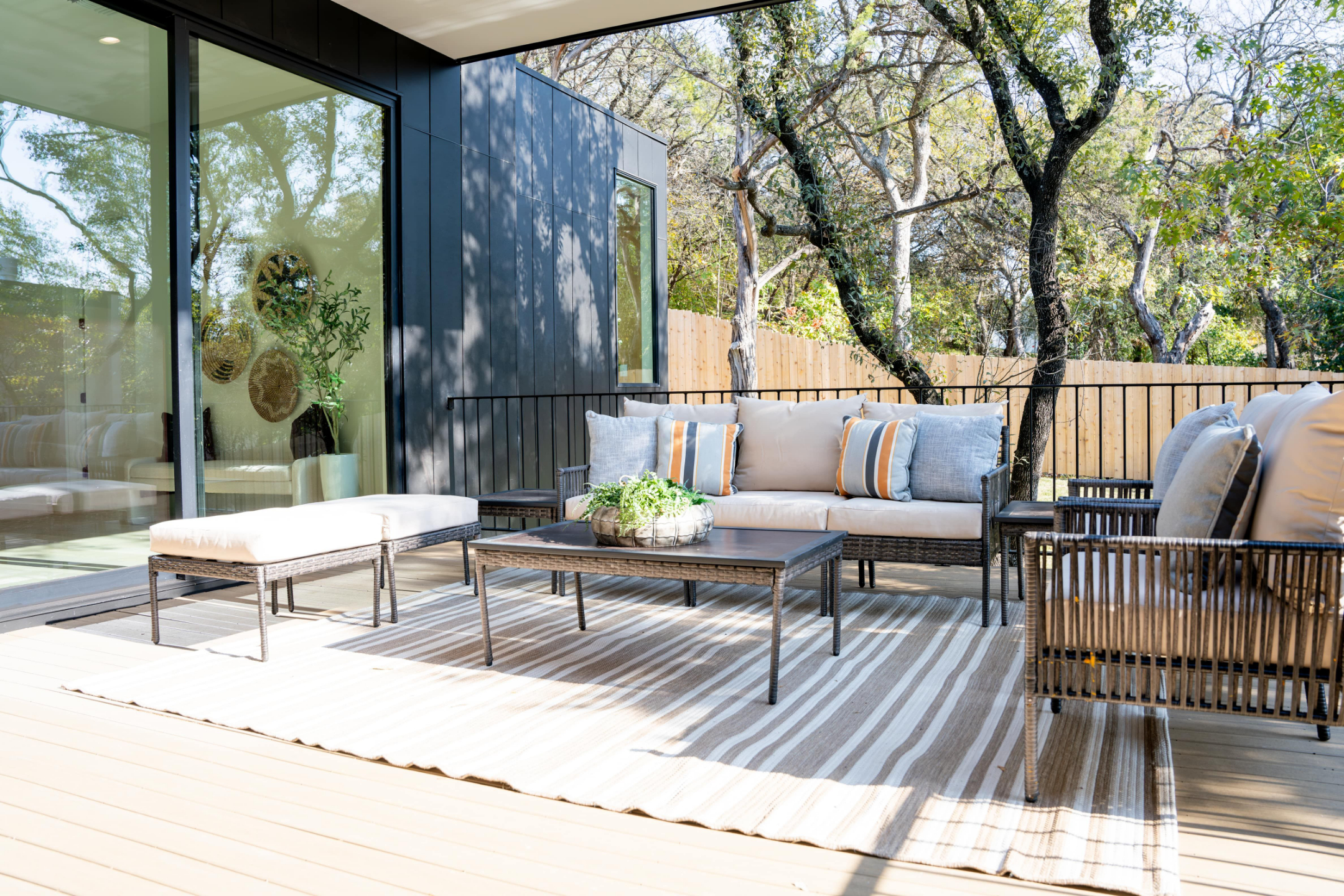
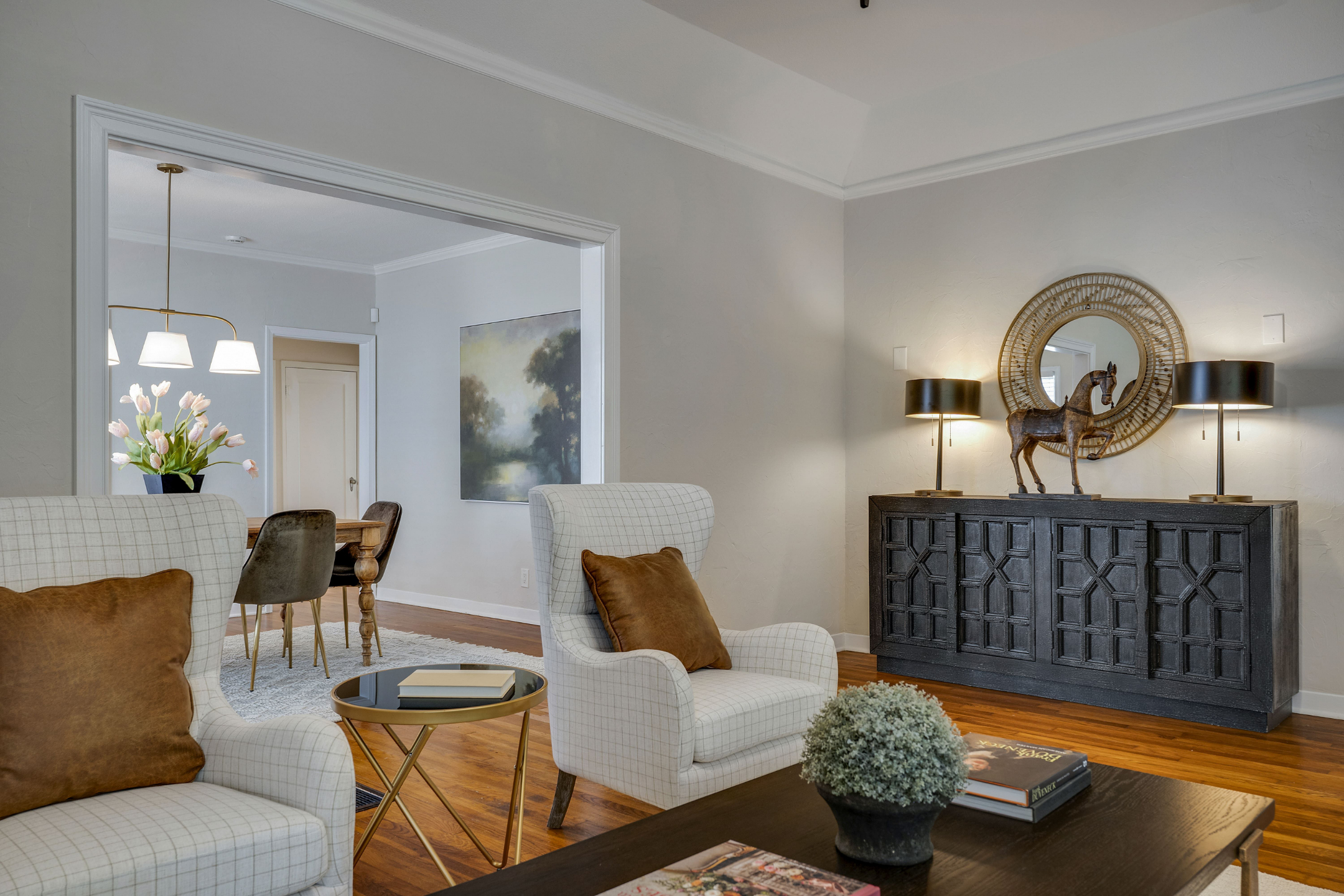
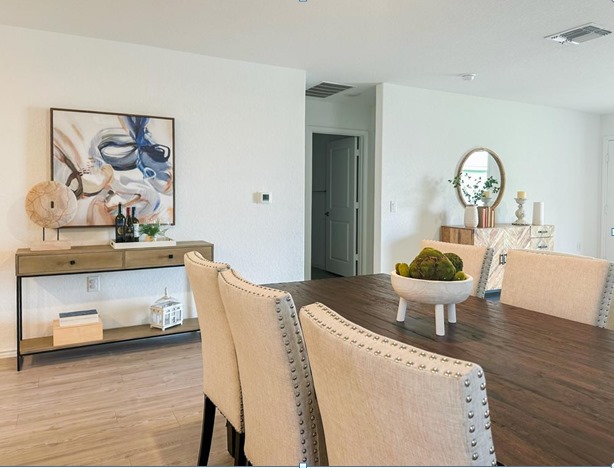
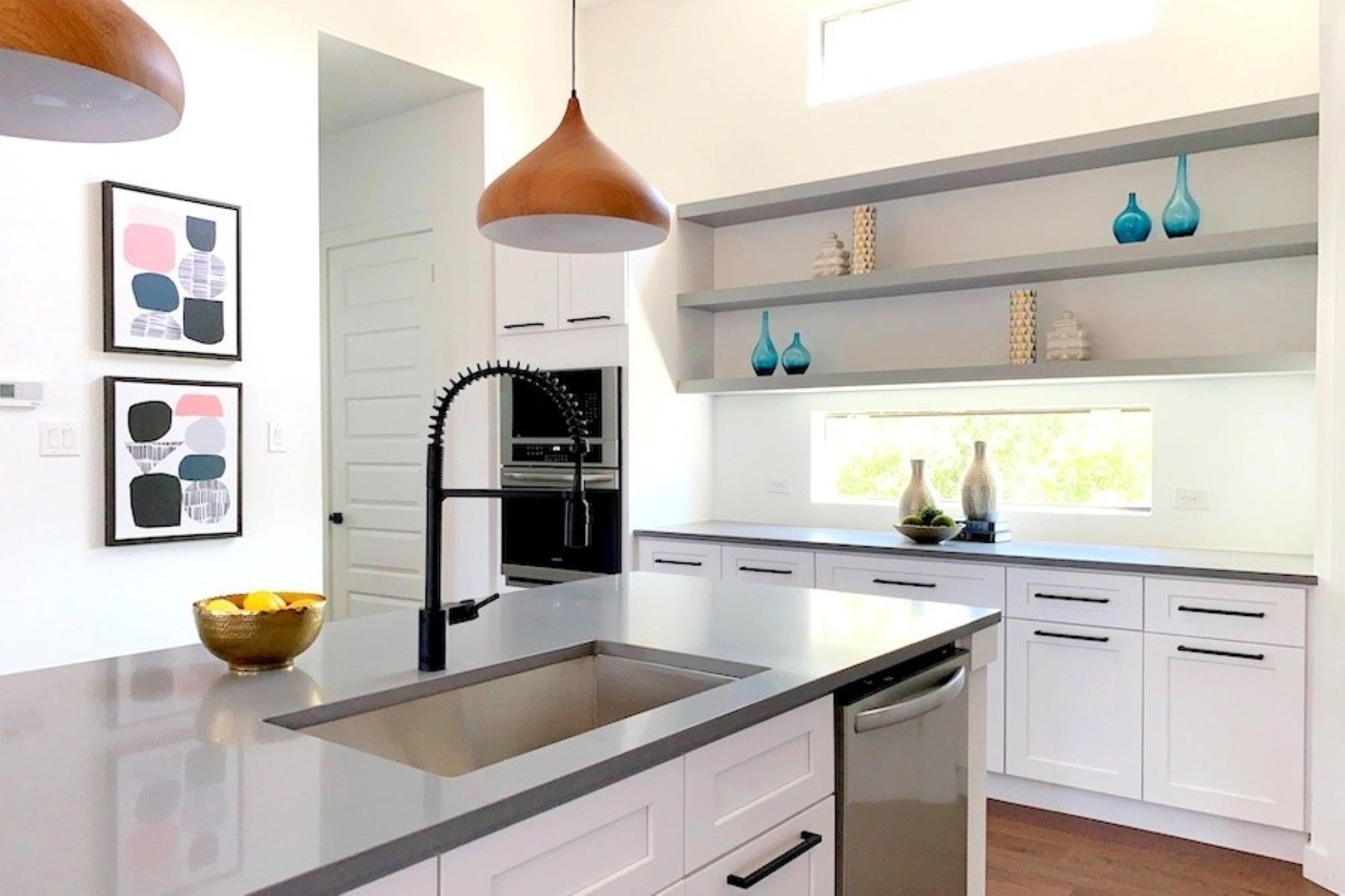
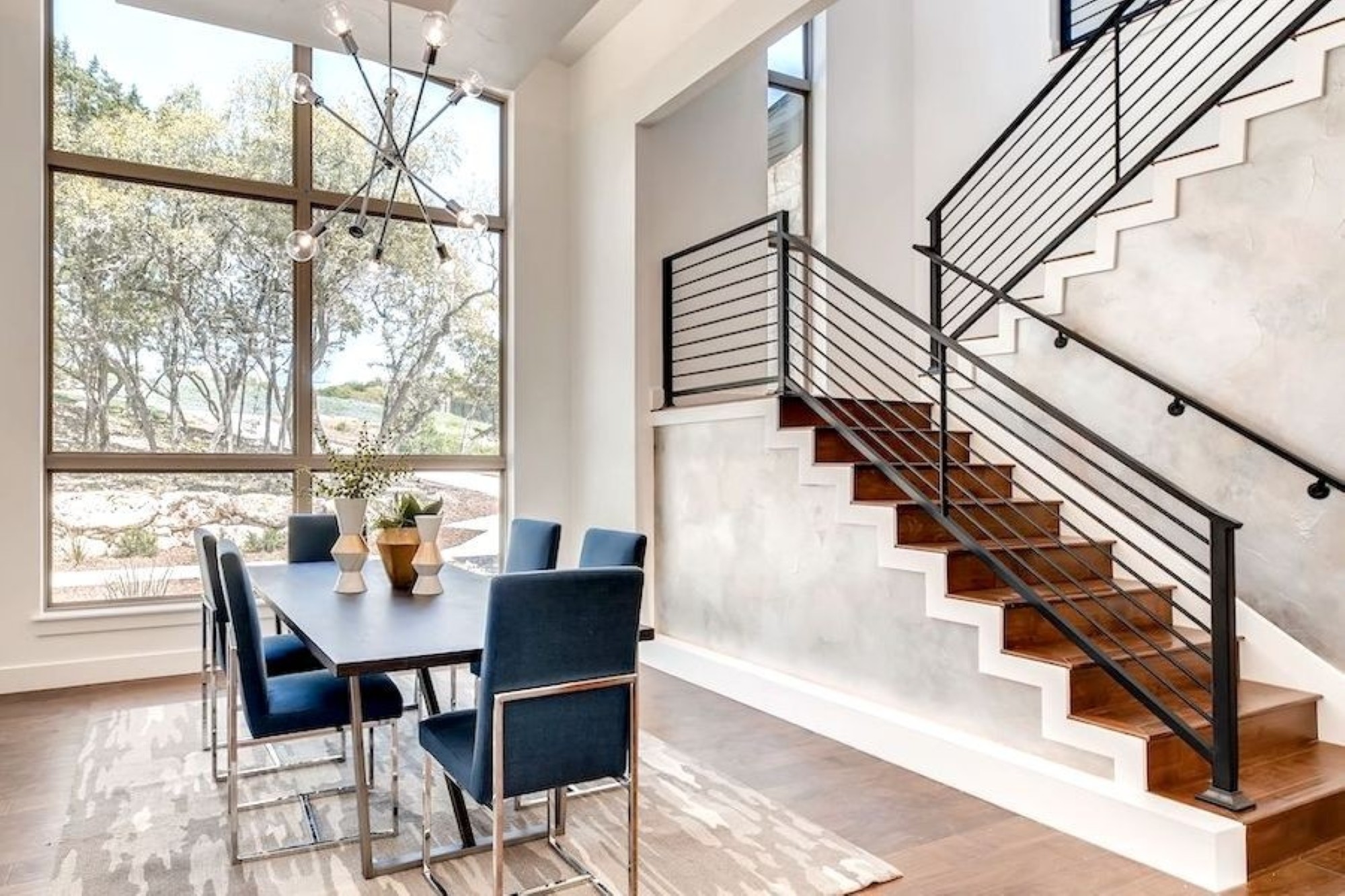
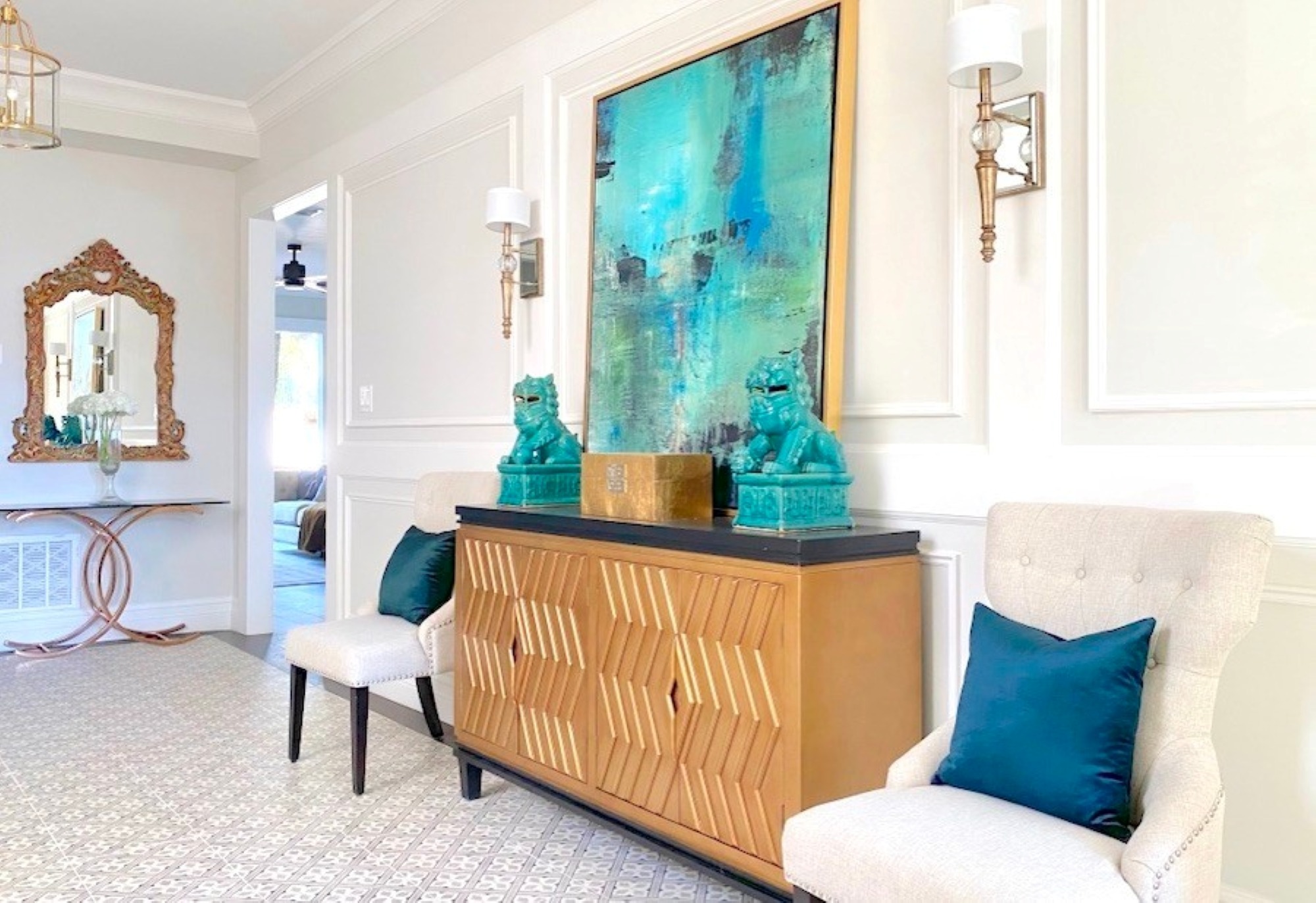
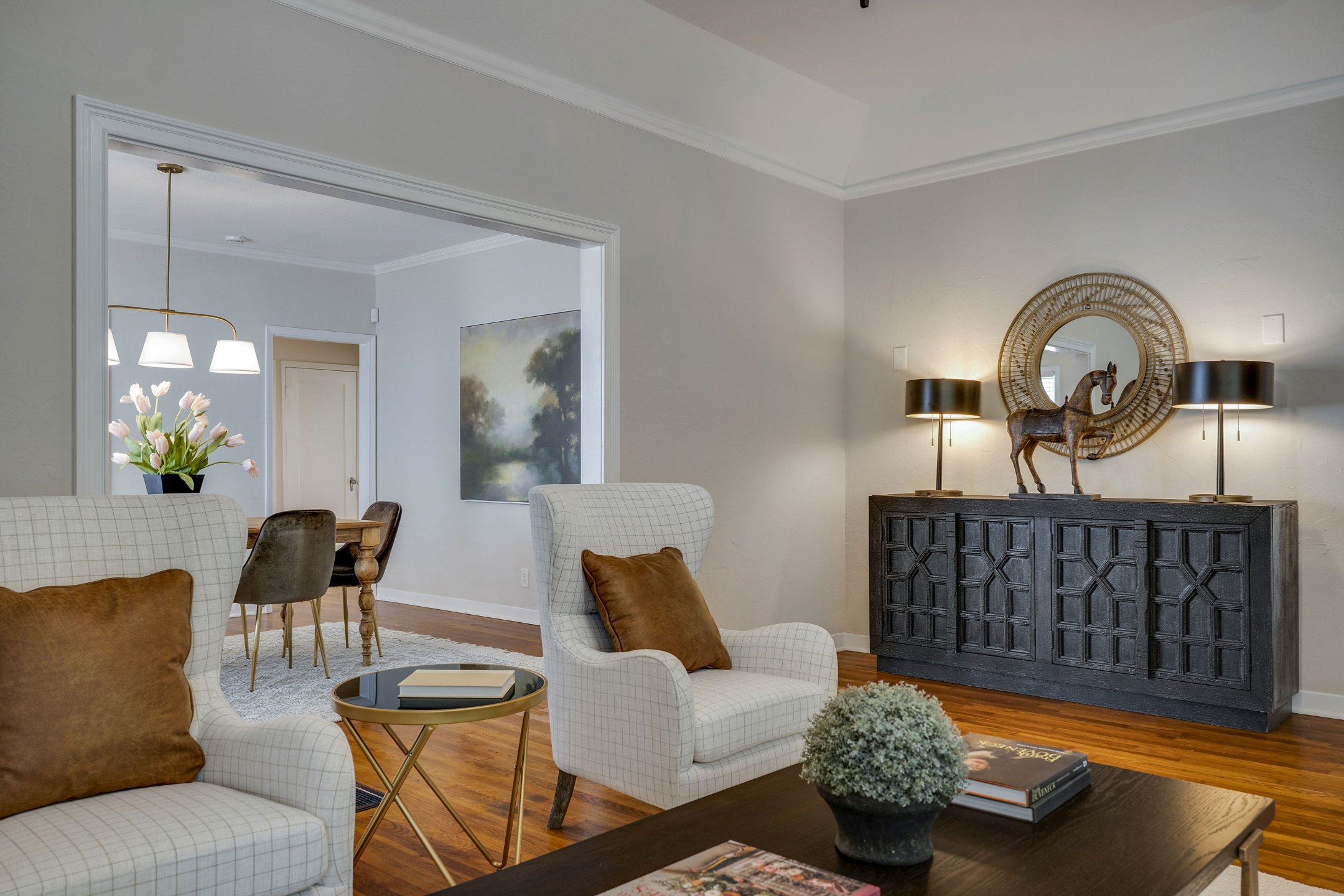
 Understanding the investment involved in home staging helps sellers make informed decisions. Costs vary based on the size of the property, level of staging required, and market conditions. Breaking down these expenses clarifies what clients receive for their money, including furniture rental, design, and labor. Transparent pricing builds trust and sets realistic expectations.
Initial Consultation and Assessment Fees
The first step usually involves a consultation where the staging professional evaluates the home’s condition, layout, and target market. Some stagers charge a flat fee for this assessment, while others may include it as part of the total package. This phase is essential for creating a tailored staging plan, identifying problem areas, recommending improvements, and ensuring resources are focused where they matter most.
Furniture and Decor Rental Costs
One of the largest expenses in staging involves renting furniture, artwork, rugs, and accessories to transform empty or outdated rooms. Rental prices vary depending on the size of the home and the quality of items chosen. Luxury or designer pieces typically cost more but can elevate the home’s perceived value. The rental period is another factor, ranging from a few weeks to several months, with fees accumulating accordingly.
Labor and Setup Fees
Setting up a staged home requires time and skill. Labor fees cover the delivery, arrangement, and eventual removal of furniture and décor. Professional stagers ensure the placement enhances flow and highlights key features, which requires experience and attention to detail. These fees vary based on the project’s complexity and the size of the property, reflecting the work involved in creating an inviting and cohesive environment.
Duration of Staging and Contract Terms
The length of time a home remains on the market affects staging expenses. Longer listing periods mean extended rental and labor fees. Some stagers offer discounted rates for longer contracts, while others charge premium fees for quick turnovers. Sellers should consider average market times in their area and negotiate contract terms that align with their sales strategy.
Hidden or Unexpected Costs
Occasionally, additional fees arise, such as charges for damages, extended rental periods beyond the original agreement, or last-minute changes. Clear communication and detailed contracts help avoid surprises. Sellers should review terms carefully and discuss any uncertainties before signing to ensure a smooth staging process.
Proper staging is an investment that often results in higher sale prices and faster closings. Knowing the cost components allows sellers to budget effectively. Choosing the right staging package aligns with individual property needs. Financial commitment supports better marketing and selling success.
In 2025, our average client sees an ROI of up to 326%. *Results not guaranteed. This is because BY Design-staged homes sell 36 days faster than the local average, leading to higher sales prices and lower carrying costs.
At BY Design Home Staging, we've been helping real estate agents maximize their listings since 2007. Starting from our garages, we've grown into the leading home staging company in San Antonio and Austin, with a 20,000 sq. ft. showroom and a fleet of trucks. Led by co-owners Debbie Boggs, Julie Young, and Andress Eichstadt, we've facilitated over $2.5 billion in real estate sales. While we are based in San Antonio, we are only a short drive from Austin. Our award-winning services, including the recent Global Excellence Awards for 2024, are trusted by top producers. Contact us today to sell your properties faster and for more profit.