 Local HVAC Pro Discusses Types of Heaters
Keeping a home warm in the winter months is a vital part of a complete HVAC system, and your home’s age, location and your preference can all play a part in determining the ideal way to produce heat for your home. While consumers don’t have to be experts when it comes to heating systems, it is a good idea to have a basic understanding of how warmer temperatures are achieved so you can make a better choice when buying a home, replacing a unit or building a new home.
Our company specializes in creating efficient home systems which produce the ideal amount of energy usage and save our customers money each month. We take pride in being Northern California’s go-to for solar panel installation and maintenance, home insulation assistance, HVAC installation and repair and more. We employ a team of licensed, professional technicians who always have a customer-focused attitude to ensure our clients receive the ideal solution.
The goal of this article is to educate consumers on the different types of heating systems available in residential homes. While the options below don’t encompass all heating options, they do make up the majority of heating systems installed in almost any home you will enter today.
Furnace
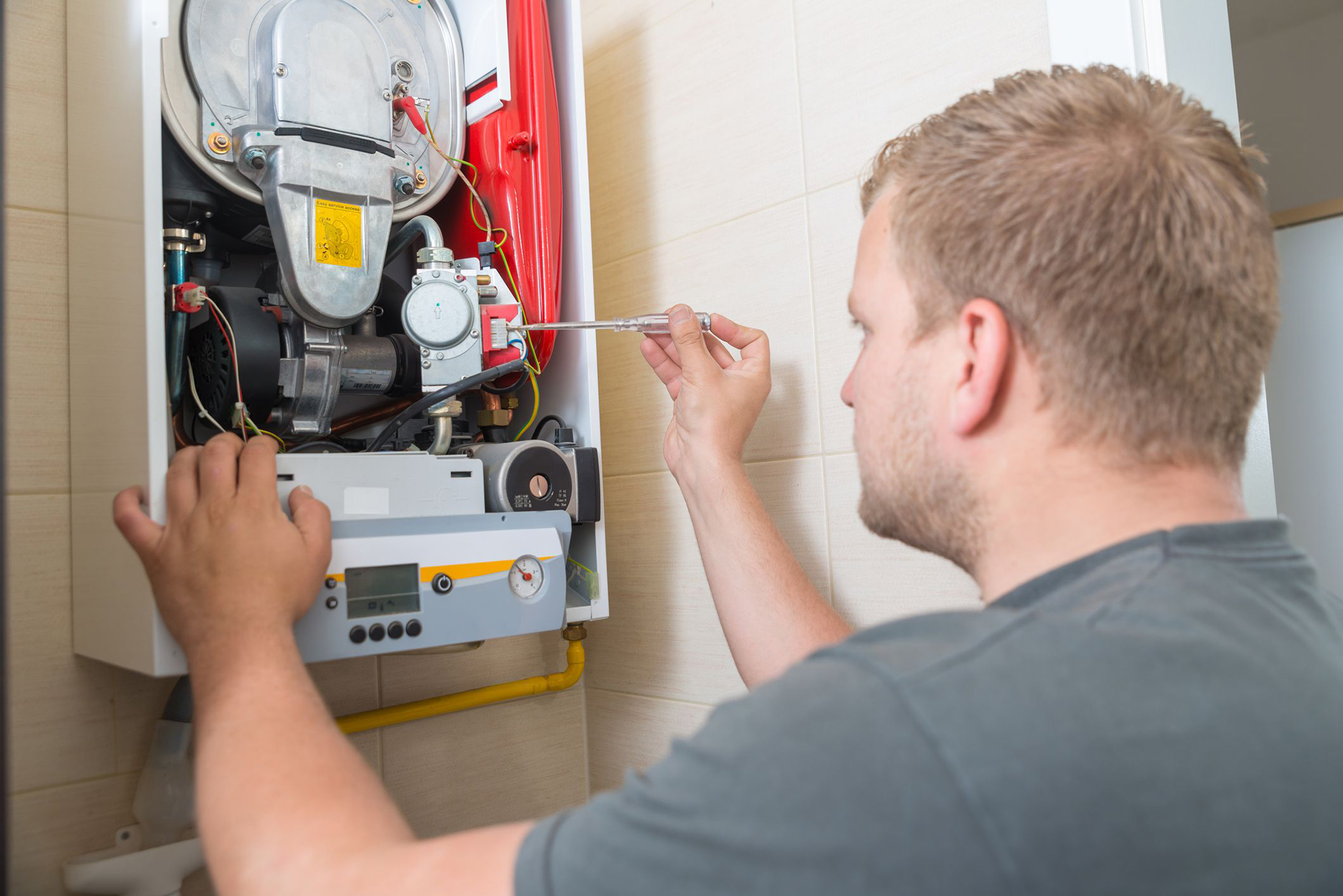
A furnace produces the fastest, warmest heating option you can find, and these systems are often a great choice for very cold areas but they produce a very dry heat. Since this is the case, a furnace might be a little much for our milder winters in Northern California, but there are still instances in which these systems can perform well in our area. Typically, but not always, powered by gas, a furnace will produce a flame which heats a part called an exchanger, and from there the warm air is forced (or blown, hence the alternate name “blower”) through a system of ducts to warm the entire home. Furnaces are often complex systems and must be regularly maintained in order to ensure safe and effective usage.
Boiler
Boilers work by creating steam or hot water and using a system of radiators to move this heated water or steam through your home to produce a more moist, consistent heating option. Boilers, like furnaces, are also typically gas powered but can also run on electricity or oil. A disadvantage to boilers is their larger installation expense, and in some areas they can freeze during power outages, but this is not a big concern in our mild climate.
Heat Pump
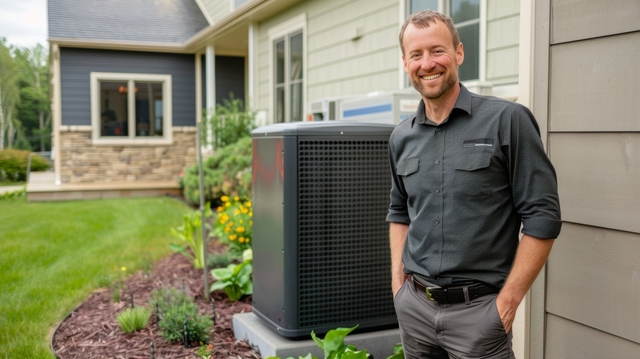
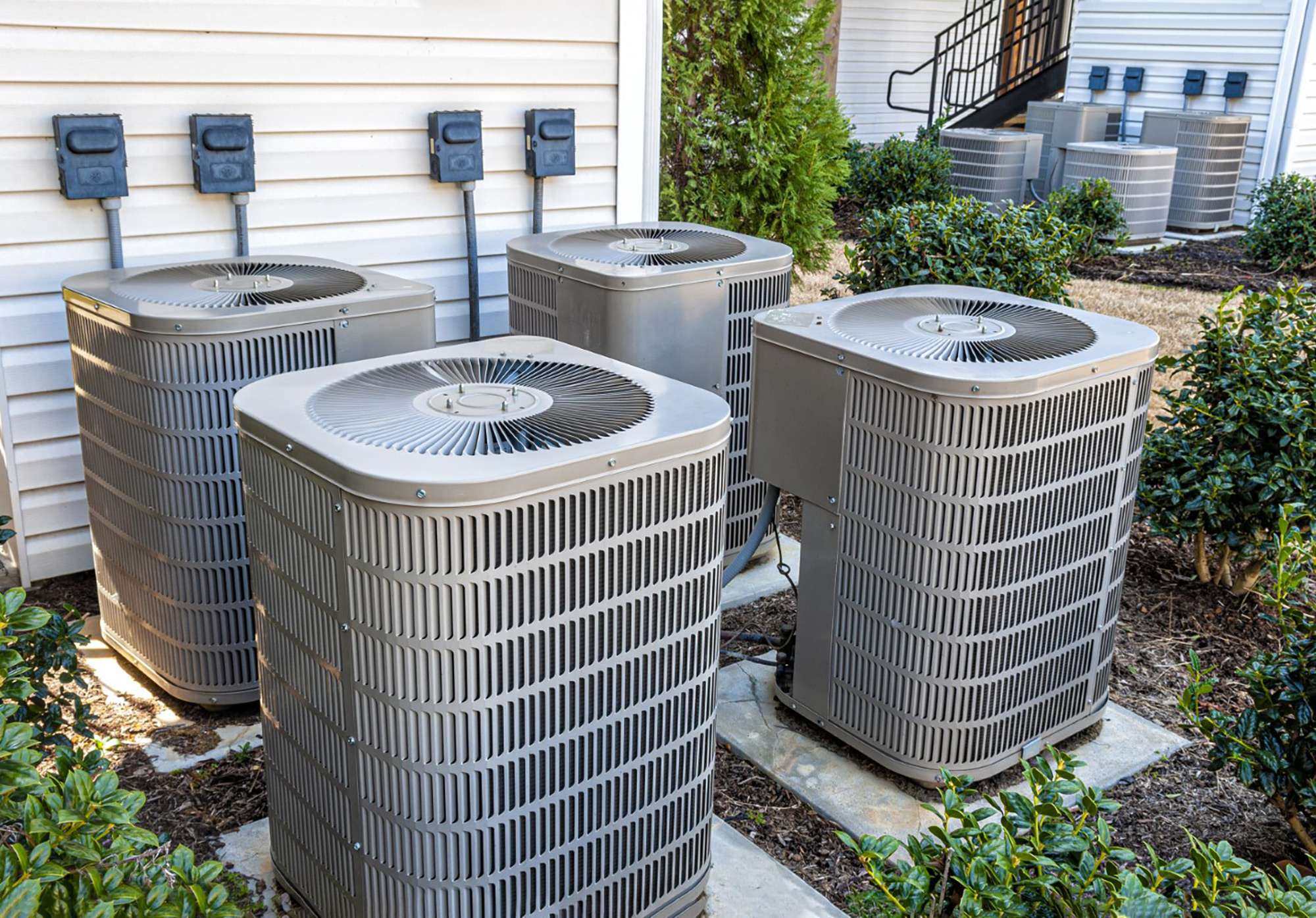
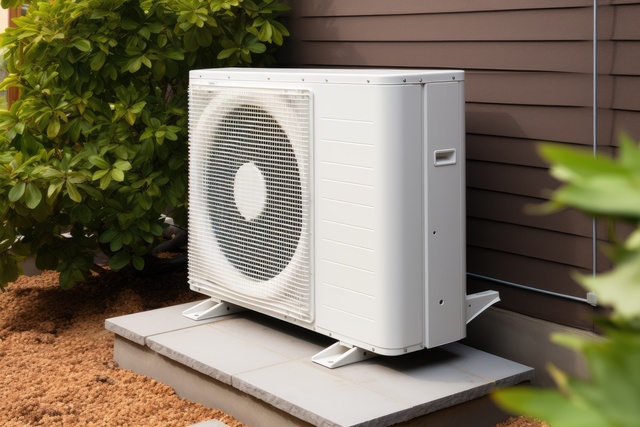
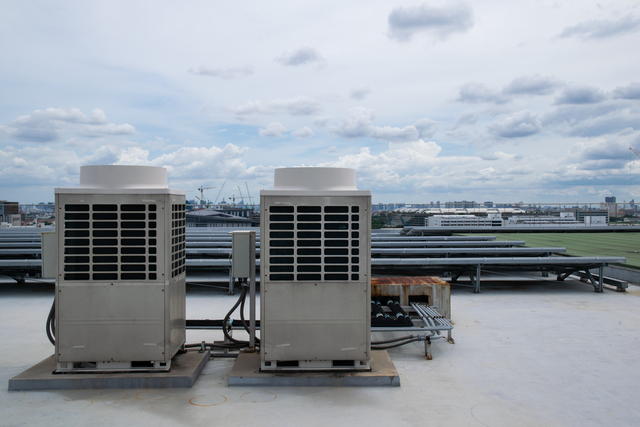
Perhaps the most efficient heating option for our area is a heat pump. A heat pump uses electricity to create and transfer heat via ducts, and also uses refrigerant in the summer months to produce cool air. Modern heat pumps are very efficient, and can generate heat at a lower cost than boilers or furnaces in more mild climates. In our area, electric heat pumps are the preferred heating method, and it’s even possible to receive energy credits or rebates when switching to this eco-friendly and efficient way of heating your home.
Visit our website at https://www.clearefficiency.com/, contact us via email at info@clearefficiencyhome.com or give us a call at (916) 438-2532 today.