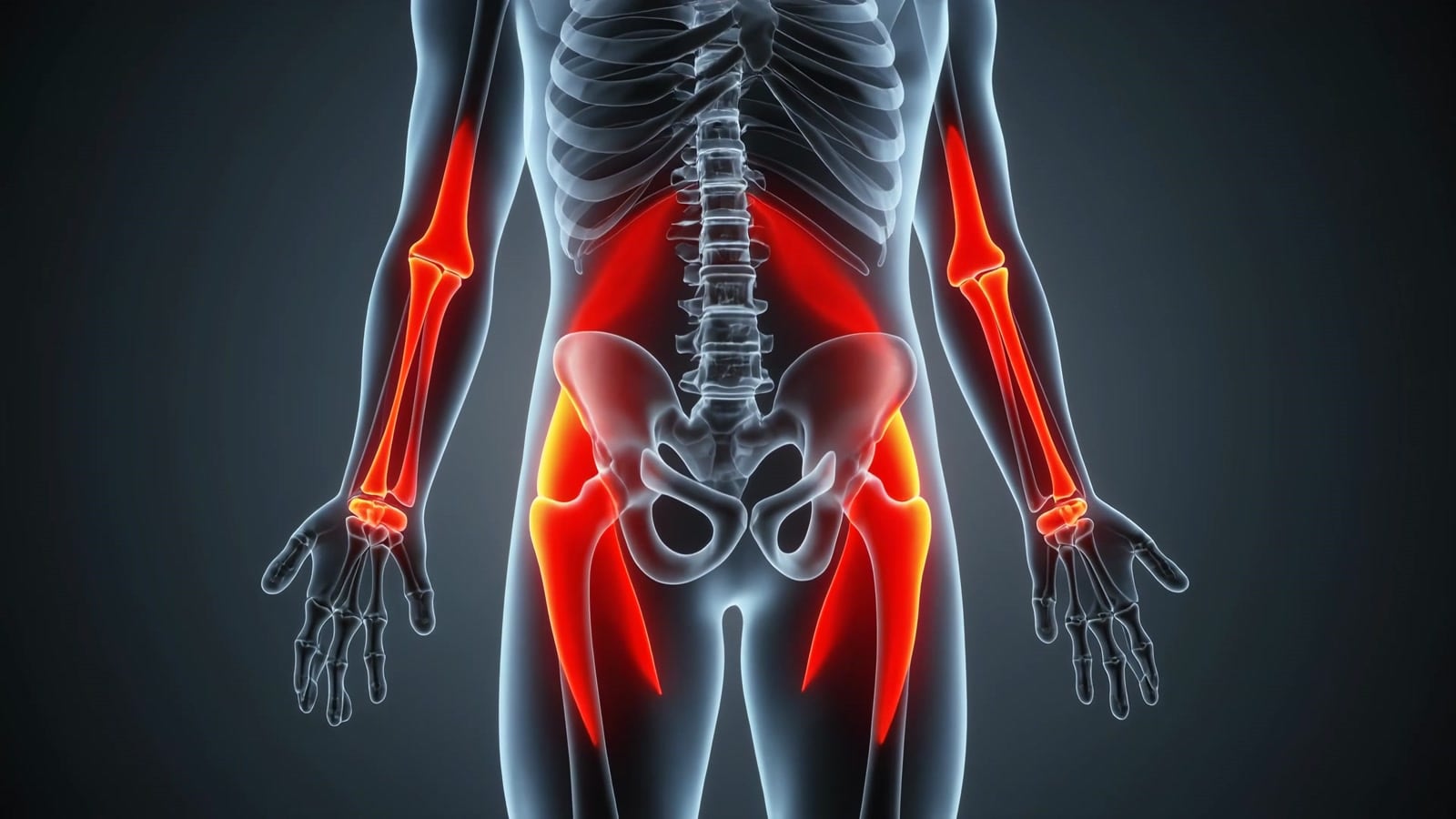
Knee pain from arthritis that makes it difficult to get out of bed in the morning, to shop for groceries, and to climb stairs can often be treated without knee replacement surgery. While X-rays of many arthritic knees look terrible, most can be successfully treated without surgery. Many people with arthritic knees can continue to engage in activities such as walking, golf, and gardening long after they have been diagnosed with arthritis.
What Arthritis Does to the Knee
Degeneration of the joint over time is characterized by thinning of the cartilage layer. The arthritic knee often becomes stiffer and may become inflamed and sore following activity. Importantly, the degree of arthritis on X-ray does not always correlate with the degree of symptoms. Two primary factors determine how much pain a given knee causes: the degree of weakness in the surrounding muscles and the amount of stress the knee endures on a daily basis.
Signs Your Knee Could Use Help
You don’t need to wait until the pain is constant. These are good reasons to come in:
- Your knee is stiff for more than a few minutes after you wake up or stand up from a chair.
- You hold the railing with both hands when you go down the stairs.
- The knee swells after a long walk or a day on your feet.
- You’ve started skipping things you enjoy, like hiking at South Mountain or playing with the grandkids.
- The knee feels like it might give out when you step off a curb.
What Non-Surgical Treatment Includes
Having strong thigh and hip muscles will help take pressure off of your arthritic joint. As mentioned, we start where you’re at and work up gradually. You’ll complete exercises such as sit-to-stands, step-ups, and bridges, as well as slow leg presses using a variety of weights.
Manual therapy such as release of stiff knee joints and surrounding tight tissues can also aid in regaining full range of motion for bending and straightening of the knee.
In addition to the ways we will help strengthen your knee, we will look at other aspects of your life and suggest ways to make activities easier and safer. For example, using a knee brace for long walks, good walking shoes, cushioned kneeling surfaces for tasks such as gardening, and stationary cycling instead of long-distance walks to help reduce knee pain for a while. Using heat before activity and ice after activity is also very helpful for some people, and we will teach you how to do this too.
These alternatives to surgery are used in conjunction with your medications and injections. By learning how to better move, patients get more out of their treatment.
How Long It Takes
Even though you will have arthritis for the rest of your life, the pain can get to a point where it no longer affects you on a daily basis. Most people see improvement in their stiffness and can go up and down stairs within 6-8 weeks. Patients are discharged with a home program of about 15 minutes of exercise that can be done daily to maintain improvement.
Give us a call to schedule your evaluation, and let’s get your knee feeling better.