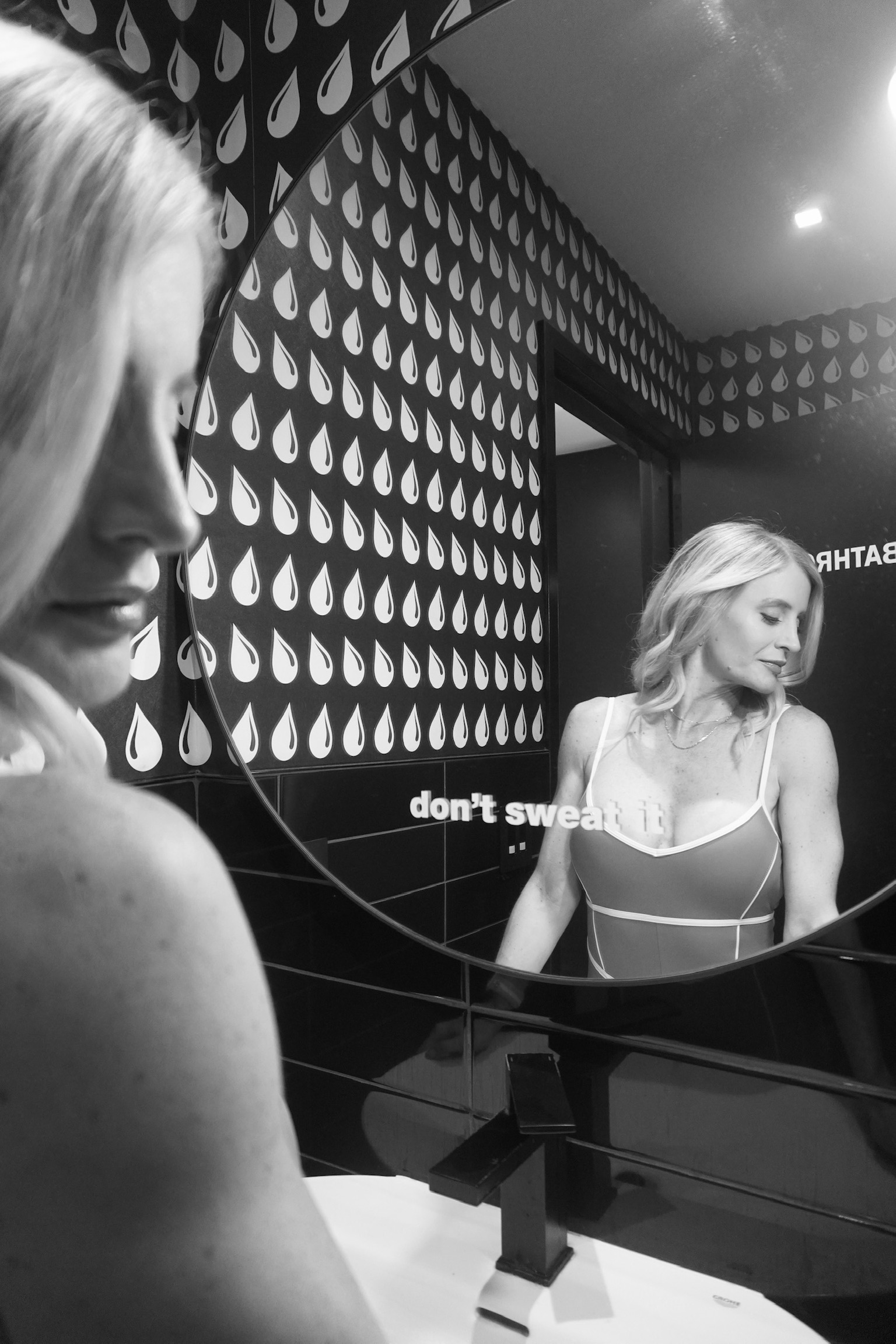
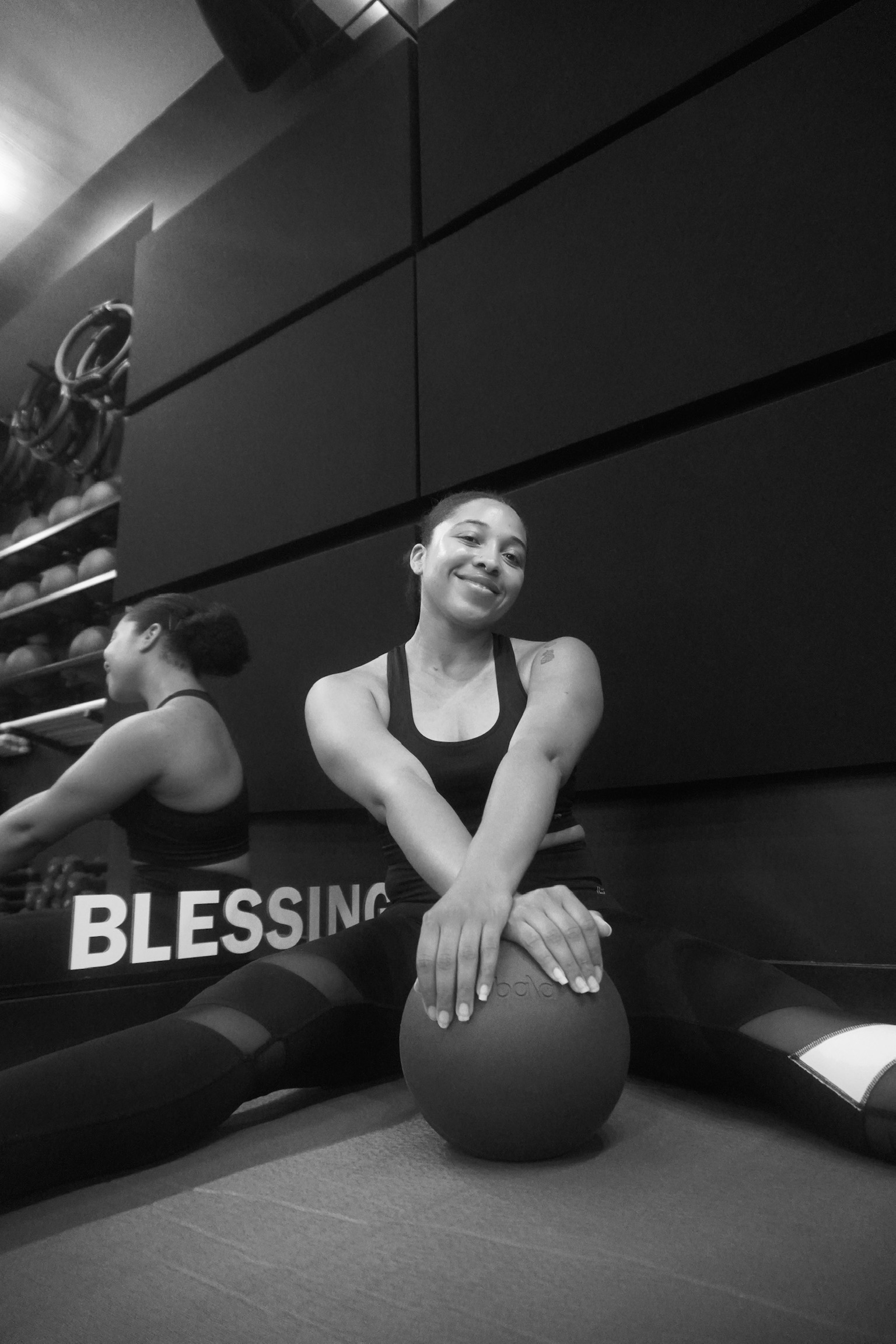
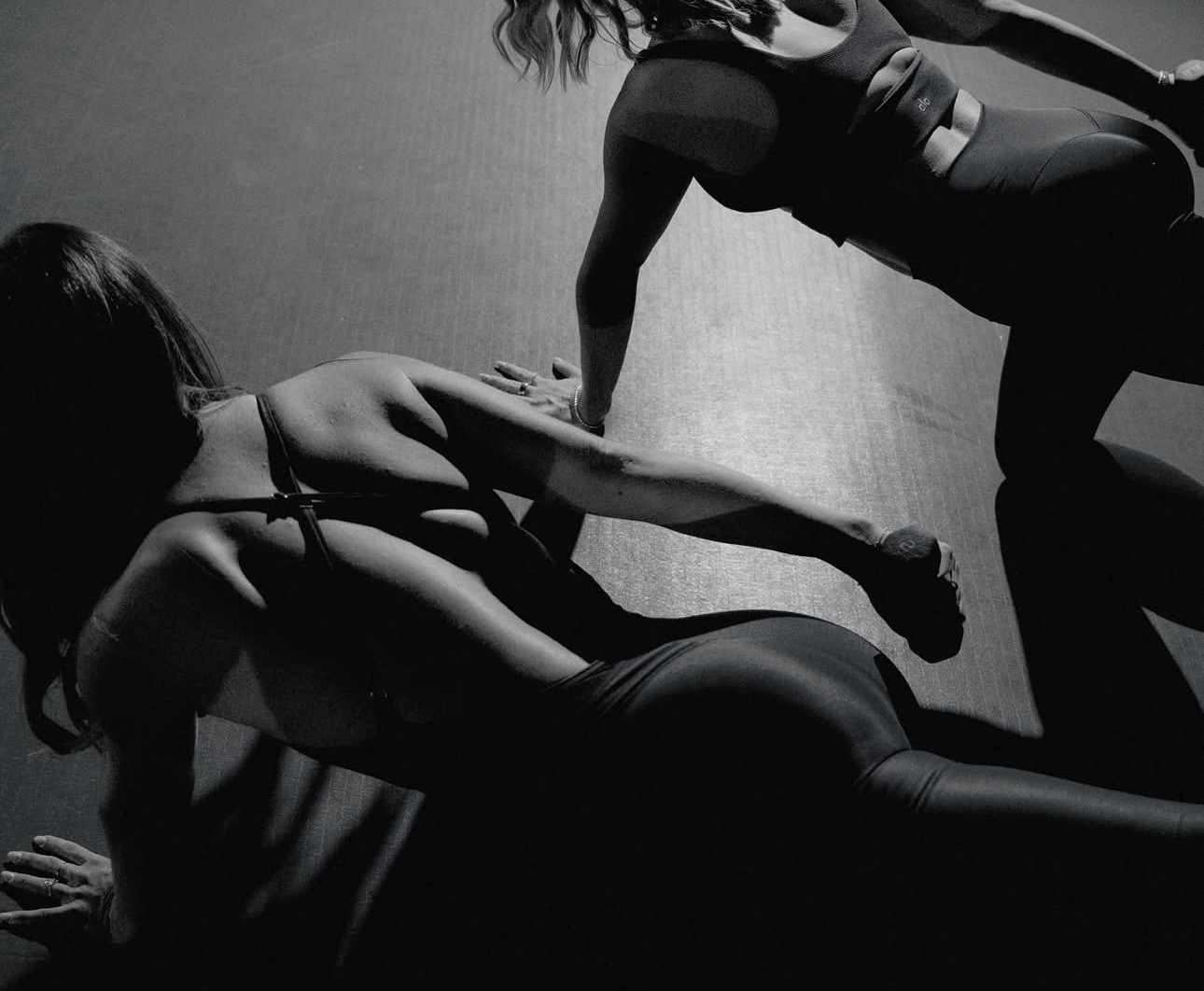
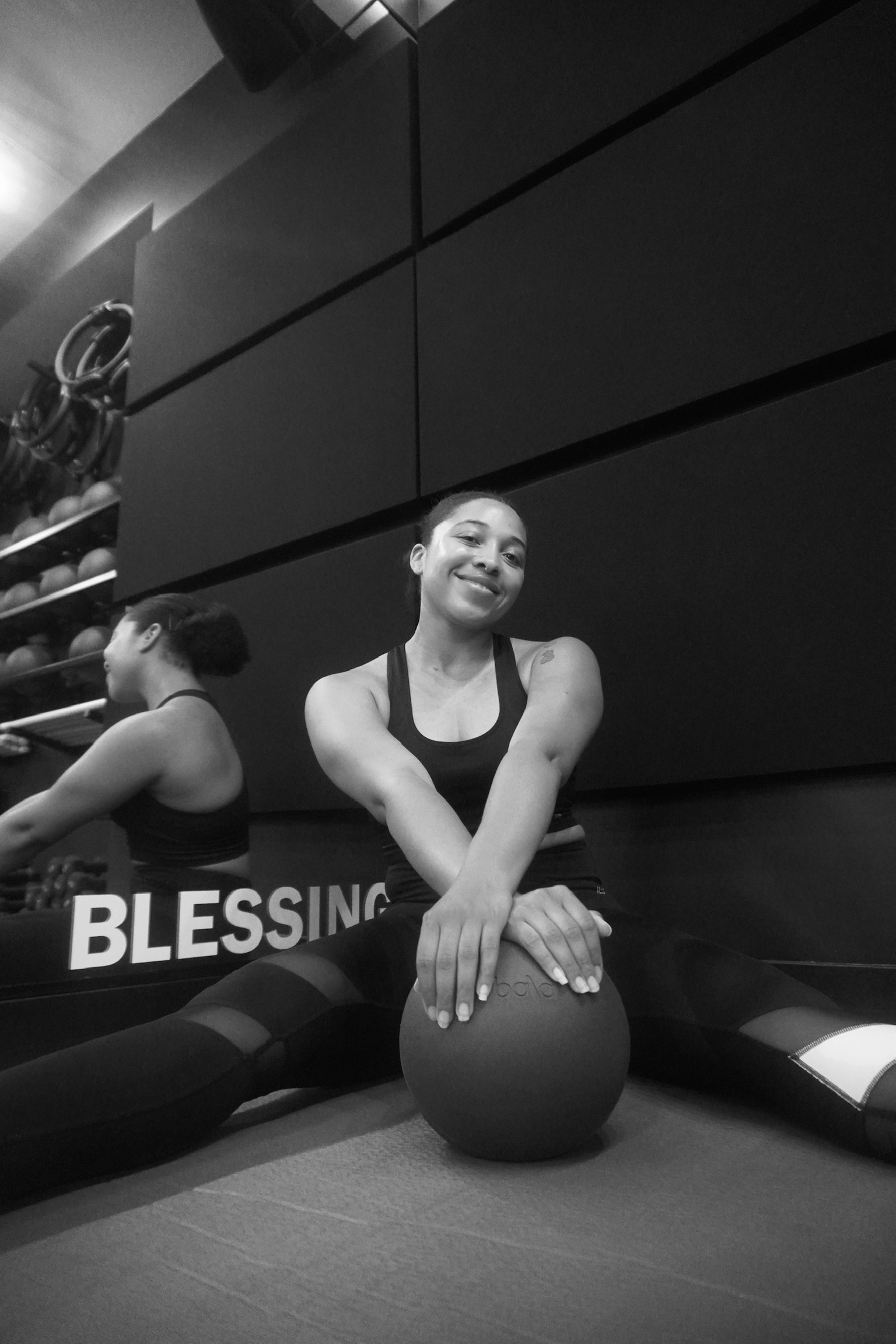
 When people compare Pilates HIIT classes with traditional cardio, the question usually comes down to efficiency. Can a heated Pilates HIIT class burn more calories than a standard cardio workout? The answer depends on effort, class style, body size, fitness level, and how hard someone works during each session. At SALTVAULT of Pacific Beach, our SAVOR class blends Pilates principles with HIIT-style training in a heated studio, giving guests a cardio-focused workout while still emphasizing control, alignment, and low-impact movement. SALTVAULT describes SAVOR as a Pilates spin on HIIT, performed in a 95–105-degree room with free weights, resistance bands, and rotating props.
Traditional cardio, such as jogging, cycling, or using an elliptical, can burn a steady number of calories over time. Pilates HIIT works differently. Instead of staying at one pace, it uses intervals of higher effort followed by controlled recovery. This structure can raise the heart rate, challenge muscles, and keep the body engaged from one sequence to the next.
The calorie difference often comes from intensity. Mayo Clinic explains that the intensity of physical activity plays a major role in fitness benefits, and even short periods of activity can add up when performed consistently. In practical terms, an easy walk may not burn as much as a heated Pilates HIIT class. A hard run, however, may burn more than a lower-effort Pilates HIIT session. The workout only works as hard as the person doing it.
One reason Pilates HIIT can be effective is the combination of strength and cardio. During SAVOR, guests move through a whole-body format using Pilates-based movement, weights, bands, and props. This means the body is not only working the cardiovascular system but also engaging the core, glutes, legs, arms, and stabilizing muscles. That kind of total-body effort may lead to stronger calorie burn than steady cardio sessions, which challenge fewer muscle groups at once.
There is also the afterburn effect to consider. The American Council on Exercise notes that high-intensity workouts may trigger excess post-exercise oxygen consumption (EPOC), which can add 6% to 15% to the total energy cost of a workout after the session ends. This does not mean every Pilates HIIT class automatically burns more calories than every cardio workout. It does mean higher-intensity training may keep the body working beyond the class itself.
The heated studio environment adds another layer. SALTVAULT’s classes are infrared-heated, musically driven, and designed to help guests sweat, strengthen, and flow through 50-minute sessions. The heat can make the workout feel more demanding, support circulation, and help muscles stay warm during repeated movement. Still, sweat alone is not the same as calorie burn. The real value comes from pairing heat with purposeful movement and sustained effort.
For many guests, the biggest advantage of Pilates HIIT is sustainability. It offers a challenging workout without relying on high-impact jumping or pounding. That makes it easier for many people to stay consistent, especially if they want strength, endurance, and calorie burn in one class.
If you are looking for a workout in Pacific Beach that combines cardio, strength, heat, and low-impact movement, SAVOR at SALTVAULT offers a focused training experience. Contact us today to learn more or view our current schedule.
When people compare Pilates HIIT classes with traditional cardio, the question usually comes down to efficiency. Can a heated Pilates HIIT class burn more calories than a standard cardio workout? The answer depends on effort, class style, body size, fitness level, and how hard someone works during each session. At SALTVAULT of Pacific Beach, our SAVOR class blends Pilates principles with HIIT-style training in a heated studio, giving guests a cardio-focused workout while still emphasizing control, alignment, and low-impact movement. SALTVAULT describes SAVOR as a Pilates spin on HIIT, performed in a 95–105-degree room with free weights, resistance bands, and rotating props.
Traditional cardio, such as jogging, cycling, or using an elliptical, can burn a steady number of calories over time. Pilates HIIT works differently. Instead of staying at one pace, it uses intervals of higher effort followed by controlled recovery. This structure can raise the heart rate, challenge muscles, and keep the body engaged from one sequence to the next.
The calorie difference often comes from intensity. Mayo Clinic explains that the intensity of physical activity plays a major role in fitness benefits, and even short periods of activity can add up when performed consistently. In practical terms, an easy walk may not burn as much as a heated Pilates HIIT class. A hard run, however, may burn more than a lower-effort Pilates HIIT session. The workout only works as hard as the person doing it.
One reason Pilates HIIT can be effective is the combination of strength and cardio. During SAVOR, guests move through a whole-body format using Pilates-based movement, weights, bands, and props. This means the body is not only working the cardiovascular system but also engaging the core, glutes, legs, arms, and stabilizing muscles. That kind of total-body effort may lead to stronger calorie burn than steady cardio sessions, which challenge fewer muscle groups at once.
There is also the afterburn effect to consider. The American Council on Exercise notes that high-intensity workouts may trigger excess post-exercise oxygen consumption (EPOC), which can add 6% to 15% to the total energy cost of a workout after the session ends. This does not mean every Pilates HIIT class automatically burns more calories than every cardio workout. It does mean higher-intensity training may keep the body working beyond the class itself.
The heated studio environment adds another layer. SALTVAULT’s classes are infrared-heated, musically driven, and designed to help guests sweat, strengthen, and flow through 50-minute sessions. The heat can make the workout feel more demanding, support circulation, and help muscles stay warm during repeated movement. Still, sweat alone is not the same as calorie burn. The real value comes from pairing heat with purposeful movement and sustained effort.
For many guests, the biggest advantage of Pilates HIIT is sustainability. It offers a challenging workout without relying on high-impact jumping or pounding. That makes it easier for many people to stay consistent, especially if they want strength, endurance, and calorie burn in one class.
If you are looking for a workout in Pacific Beach that combines cardio, strength, heat, and low-impact movement, SAVOR at SALTVAULT offers a focused training experience. Contact us today to learn more or view our current schedule.
Pacific Beach, CA — Can Pilates HIIT Classes Burn More Calories Than Cardio?
SYNOPSIS: SALTVAULT of Pacific Beach offers heated Pilates HIIT classes designed to raise heart rate, build strength, and support total-body conditioning through low-impact movement.
How HIIT Pilates Compares to Traditional Cardio Pilates
BY: Betsy Blumenfeld, SALTVAULT of Pacific Beach, CA
When people compare Pilates HIIT classes with traditional cardio, the question usually comes down to efficiency. Can a heated Pilates HIIT class burn more calories than a standard cardio workout? The answer depends on effort, class style, body size, fitness level, and how hard someone works during each session. At SALTVAULT of Pacific Beach, our SAVOR class blends Pilates principles with HIIT-style training in a heated studio, giving guests a cardio-focused workout while still emphasizing control, alignment, and low-impact movement. SALTVAULT describes SAVOR as a Pilates spin on HIIT, performed in a 95–105-degree room with free weights, resistance bands, and rotating props.
Traditional cardio, such as jogging, cycling, or using an elliptical, can burn a steady number of calories over time. Pilates HIIT works differently. Instead of staying at one pace, it uses intervals of higher effort followed by controlled recovery. This structure can raise the heart rate, challenge muscles, and keep the body engaged from one sequence to the next.
The calorie difference often comes from intensity. Mayo Clinic explains that the intensity of physical activity plays a major role in fitness benefits, and even short periods of activity can add up when performed consistently. In practical terms, an easy walk may not burn as much as a heated Pilates HIIT class. A hard run, however, may burn more than a lower-effort Pilates HIIT session. The workout only works as hard as the person doing it.
One reason Pilates HIIT can be effective is the combination of strength and cardio. During SAVOR, guests move through a whole-body format using Pilates-based movement, weights, bands, and props. This means the body is not only working the cardiovascular system but also engaging the core, glutes, legs, arms, and stabilizing muscles. That kind of total-body effort may lead to stronger calorie burn than steady cardio sessions, which challenge fewer muscle groups at once.
There is also the afterburn effect to consider. The American Council on Exercise notes that high-intensity workouts may trigger excess post-exercise oxygen consumption (EPOC), which can add 6% to 15% to the total energy cost of a workout after the session ends. This does not mean every Pilates HIIT class automatically burns more calories than every cardio workout. It does mean higher-intensity training may keep the body working beyond the class itself.
The heated studio environment adds another layer. SALTVAULT’s classes are infrared-heated, musically driven, and designed to help guests sweat, strengthen, and flow through 50-minute sessions. The heat can make the workout feel more demanding, support circulation, and help muscles stay warm during repeated movement. Still, sweat alone is not the same as calorie burn. The real value comes from pairing heat with purposeful movement and sustained effort.
For many guests, the biggest advantage of Pilates HIIT is sustainability. It offers a challenging workout without relying on high-impact jumping or pounding. That makes it easier for many people to stay consistent, especially if they want strength, endurance, and calorie burn in one class.
If you are looking for a workout in Pacific Beach that combines cardio, strength, heat, and low-impact movement, SAVOR at SALTVAULT offers a focused training experience. Contact us today to learn more or view our current schedule.