SYNOPSIS: SALTVAULT of Pacific Beach offers infrared-heated Mat Pilates classes designed to support circulation, mobility, strength, and steady recovery through controlled movement.
How Heat and Movement Support Recovery
BY: Betsy Blumenfeld, SALTVAULT of Pacific Beach, CA
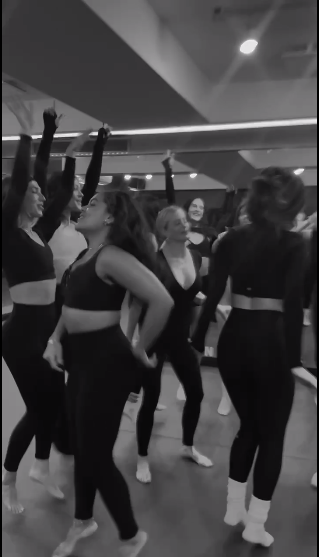
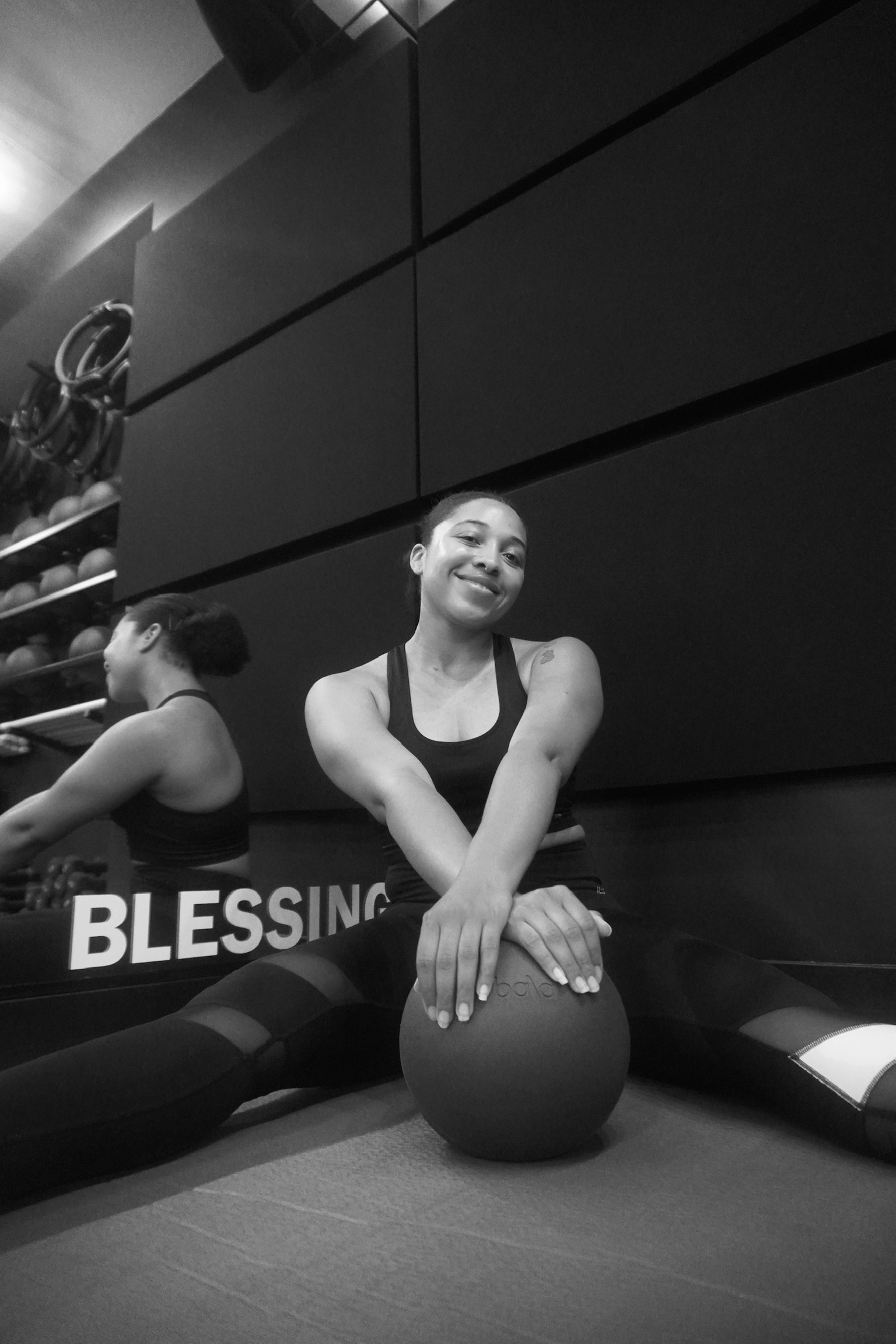
Muscle recovery is not just about resting after a workout. It also involves circulation, mobility, hydration, sleep, and how well the body handles movement between training sessions. At SALTVAULT of Pacific Beach, our infrared-heated Mat Pilates classes give guests a structured way to move, sweat, strengthen, and flow through 50-minute sessions in a studio heated between 85 and 105 degrees. SALTVAULT describes its classes as musically driven, infrared-heated, and focused on Mat Pilates, with heated and unheated options available depending on the class style.
[video width="720" height="1280" mp4="http://cityscoop.us/pacificbeachca-hotpilates/files/2026/05/Pacific-Beach-CA-—-Is-Infrared-Pilates-Really-Better-for-Muscle-Recovery.mp4"][/video]
So, is infrared Pilates really better for muscle recovery? The honest answer is this: it may help many guests recover more comfortably, but it should not be treated as a shortcut or cure-all. Recovery improves when heat, controlled movement, and smart pacing work together.
Infrared heat is often discussed for its effects on circulation. Cleveland Clinic notes infrared sauna use may improve blood circulation, which can help speed muscle recovery following physical activity. The same source also links sauna heat to relaxation and relief of sore muscles. At a Pilates studio, we do not offer a passive sauna session. Guests are moving, breathing, and strengthening while the heat supports muscle readiness.
This matters because stiff muscles often resist movement. When the body is warm, many guests find it easier to transition through exercises with less tension. That can make recovery-focused movement feel more approachable, especially after days of intense training, long sitting, or general muscle tightness.
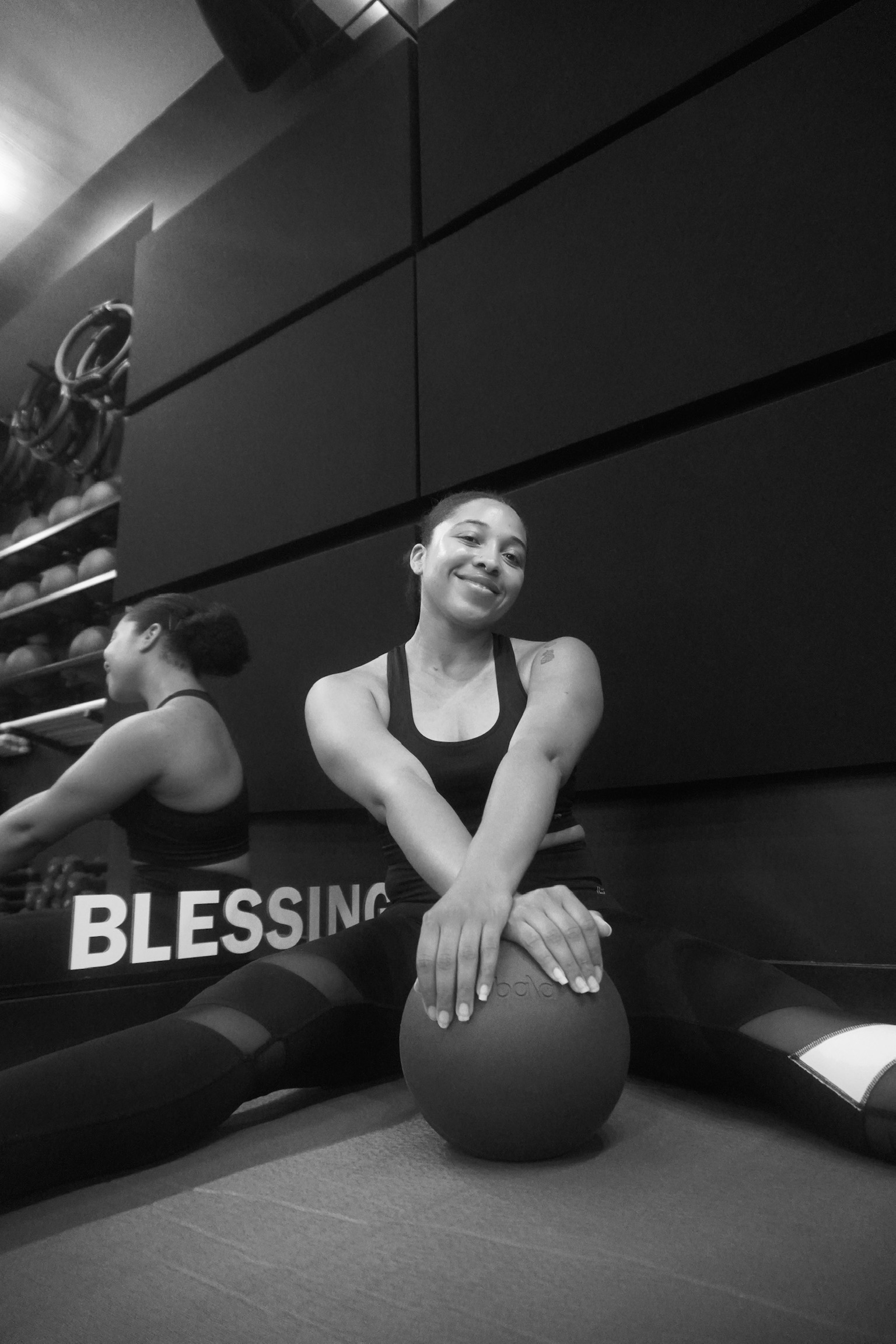
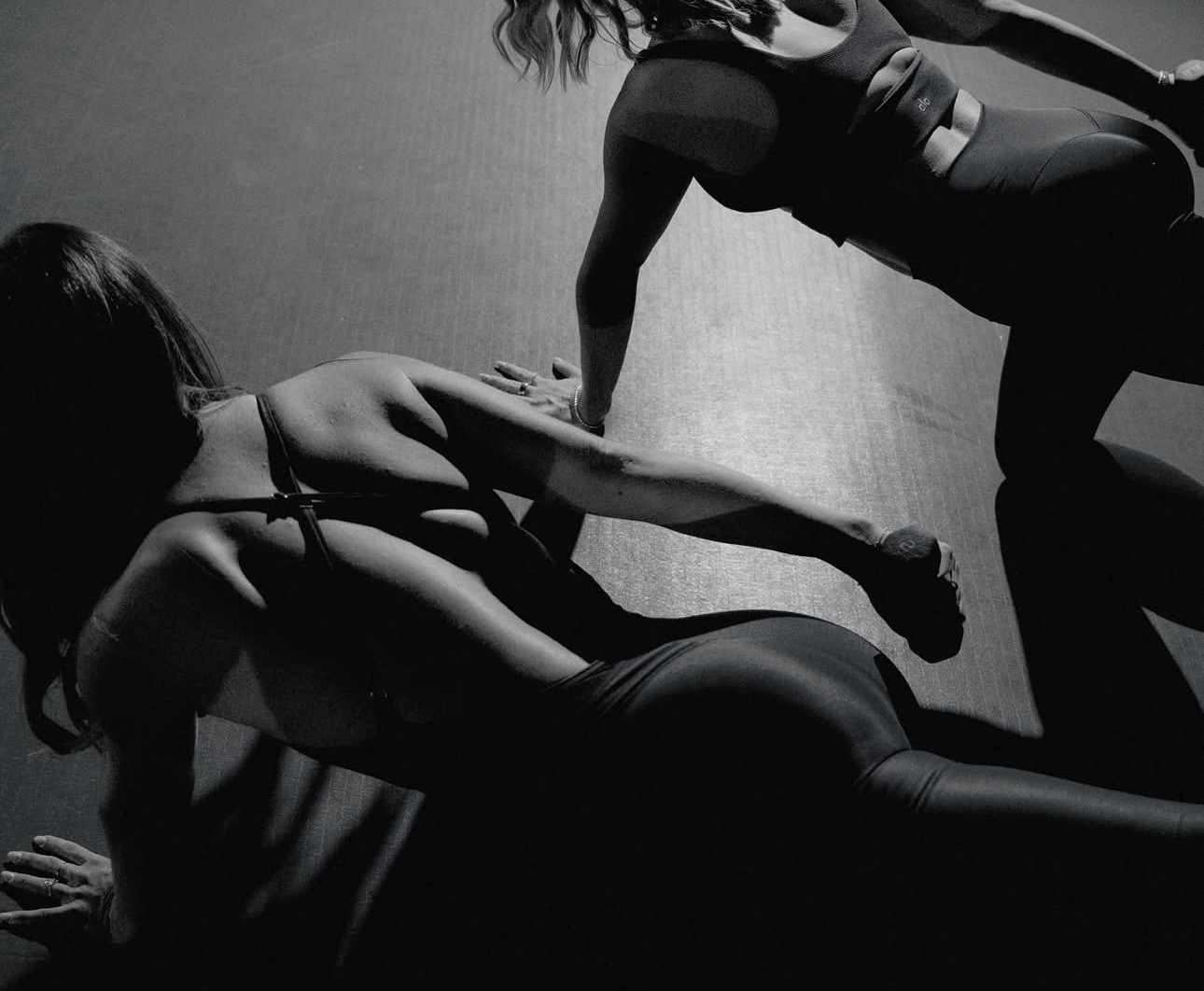
Pilates also supports recovery because it is low-impact. Our classes emphasize alignment, breath, core engagement, and controlled repetition instead of pounding, jumping, or rushing through movements. SALTVAULT’s SPICE class uses 95–105-degree heat with intermediate and advanced mat work, plus props such as weights, resistance bands, exercise balls, and magic circles. SAVOR blends Pilates with HIIT-style movement in a heated room, while ZEST removes the heat and focuses on spine movement, trunk strength, centering, control, concentration, precision, breath, and flow.
For muscle recovery, this variety matters. Some guests may benefit from a heated class when they want to keep muscles loose while working on strength and mobility. Others may prefer an unheated option after a harder training day. Both approaches can support recovery, depending on how the body feels and what the guest needs.
The key is avoiding the trap of thinking more heat always means better recovery. Too much intensity, poor hydration, or pushing through fatigue can work against progress. Cleveland Clinic advises hydration and caution when using an infrared sauna, especially for people with medical conditions or heat sensitivity. The same common sense applies in a heated Pilates studio. Guests should listen to their bodies, drink water, and choose a class format that matches their current fitness level.
Infrared Pilates may be especially useful for people who want recovery support without having to sit still. The combination of heat, music, controlled strength work, and steady flow can help the body move through tension while still building stability. It is not passive recovery, and it is not meant to replace sleep, nutrition, or medical care. It is active recovery with structure.
At SALTVAULT of Pacific Beach, we focus on helping guests move with purpose. If you are looking for a workout that supports strength, mobility, circulation, and post-class recovery, our infrared-heated Mat Pilates classes offer a focused place to begin. Contact us today to learn more or view our current schedule.
“Best Hot Pilates Studio in Pacific Beach, CA”
Top Rated Local Hot Pilates Class / Workout / Exercise
San Diego County : Pacific Beach, Mission Beach, La Jolla, La Mesa, CA
Discover how SALTVAULT of Pacific Beach combines infrared heat, Pilates-based movement, props, and continuous flow to support full-body strength, endu…
Learn what sweating really does during infrared Pilates, why true detoxification depends on the liver and kidneys, and how SALTVAULT supports strength…
Learn how hot Pilates at SALTVAULT of Pacific Beach may help athletes improve core strength, balance, control, coordination, and endurance through low…
Why Desk Work Can Change the Way You Sit Hours spent typing, answering emails, and staring at a monitor can make maintaining good posture harder. Desk…
Why Prenatal Pilates Focuses on Strength and Stability Pregnancy changes the way the body moves. As posture shifts and the center of gravity changes, …
Personalized fitness works best when the workout matches the person, not the other way around. At SALTVAULT of Pacific Beach, private Pilates sessions…
Regular classes in a heated pilates studio can support weight loss goals by rapidly burning calories, boosting metabolism, building lean muscle, and w…
“Best Hot Pilates Studio in Pacific Beach, CA”
Top Rated Local Hot Pilates Class / Workout / Exercise
San Diego County : Pacific Beach, Mission Beach, La Jolla, La Mesa, CA
CityScoop is the top ranked local business news network in the United States. Established in 2008, CityScoop has been providing local communities with high quality news about local businesses and their most recent projects.