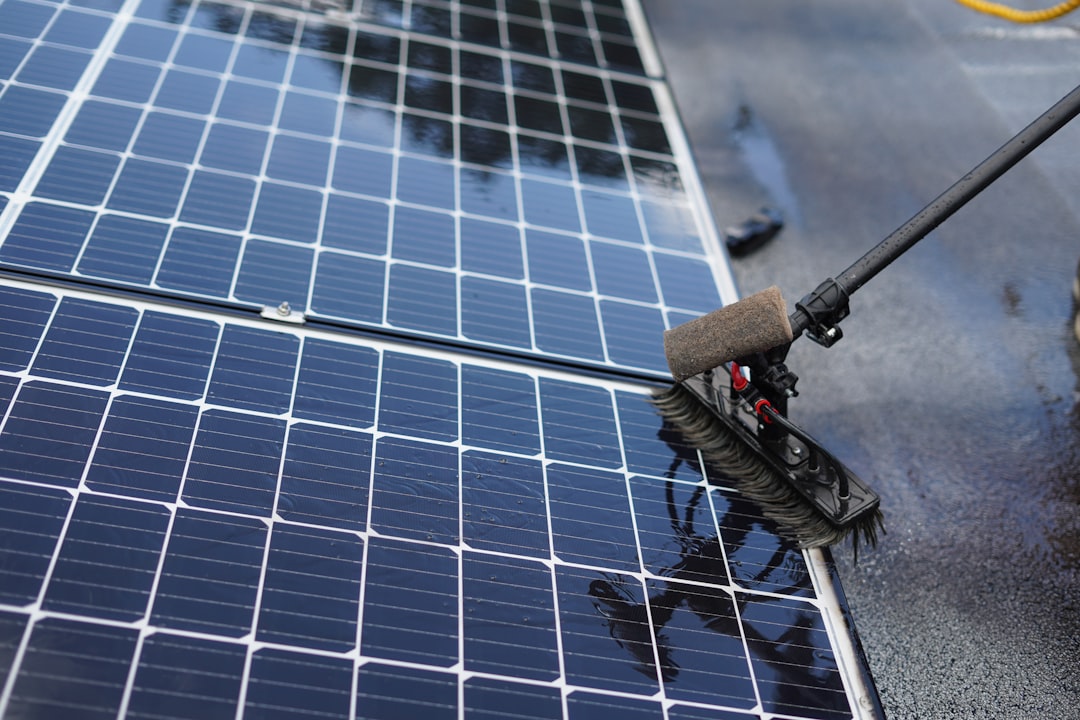
 A solar panel can look clean from the driveway and still produce less power than it did last spring. The dust responsible is too fine and too even to spot from the ground. A full season of pollen and grit has settled across the glass, right where the sunlight needs to land. At Polished Panes LLC, we work out of the San Francisco East Bay, and we clean residential solar arrays throughout Oakland. When homeowners ask us how often panels should be cleaned, our answer depends on their own roof.
Why A Dust Film Lowers Output Before You See It
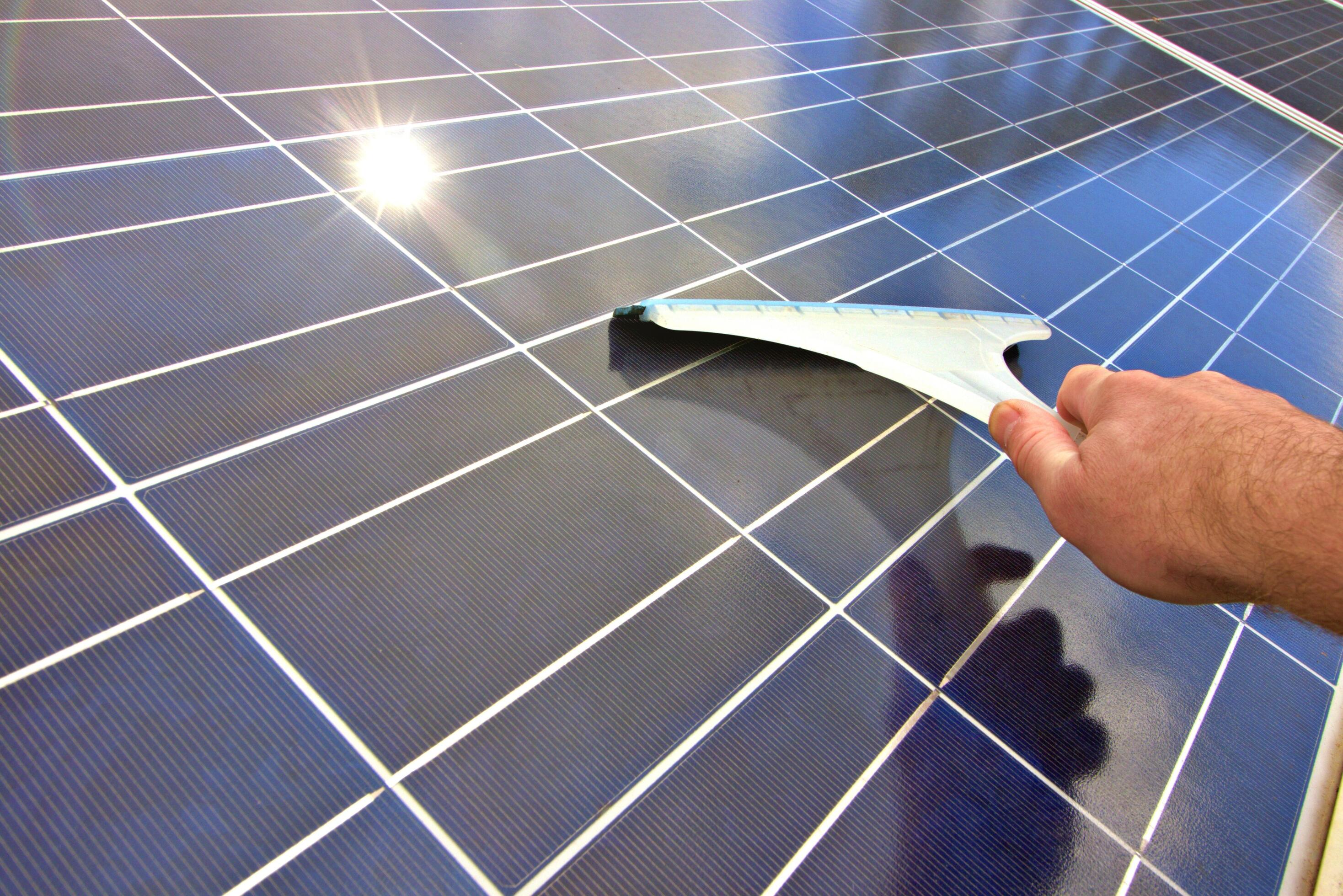
A solar cell turns sunlight into electricity, so anything resting between the sky and that cell reduces what the panel makes. A thin film of dust and pollen scatters incoming light before it reaches the cell below. The panel still looks fine because the film spreads evenly and stays pale against the glass. The drop in output builds week by week, stays invisible from the yard, and deepens with every rainless stretch of summer.
Your Roof Pitch Decides How Much Dust Stays Put
The angle of your roof changes how well rain rinses the panels without any help. A steeply pitched array sheds loose dust whenever it rains, because water runs off fast and pulls grit along with it. A low-slope array holds that same grit much longer, since water sits on the glass and dries in place. Homeowners with flatter Oakland roofs tend to need cleaning more frequently than neighbors with steep ones.
What Floats Over Your Property Matters
Look at what surrounds your home before you pick a schedule. Mature trees shed pollen that bonds into a sticky layer plain rain cannot lift. Busy roads send up fine grime, and nearby construction sends up drifting dust for months. Two Oakland homes on one street can need very different cleaning intervals.
The Long Dry Season Is When Soiling Builds Up
Oakland goes months with little to no rain, and that gap is where the problem grows. Rain is the only thing rinsing most arrays between professional cleanings. When the rain stops for a long summer, nothing washes the glass, and each layer of dust settles on the last. An array that looked fine in May can reach its heaviest soiling of the year by late summer.
How To Read Your Own Panels Before Booking A Cleaning
You can judge your array without ever climbing onto the roof. Open your monitoring app and compare this month's output against a clear month from last year. Look down at the panels from an upper window, and watch the lower edge of each one, where dust dries into a darker band. A sagging output reading and a visible band together tell you the panels are due.
See What Has Built Up On Your Glass
A schedule based on a hunch costs you sunlight every clear day of the Oakland summer. At Polished Panes LLC, we'll inspect your solar array, report exactly what has settled on the glass, and recommend a cleaning frequency matched to your specific roof. Call our East Bay team today at (650) 219-7256, and get your panels producing at full output before the next run of sunny weather.
A solar panel can look clean from the driveway and still produce less power than it did last spring. The dust responsible is too fine and too even to spot from the ground. A full season of pollen and grit has settled across the glass, right where the sunlight needs to land. At Polished Panes LLC, we work out of the San Francisco East Bay, and we clean residential solar arrays throughout Oakland. When homeowners ask us how often panels should be cleaned, our answer depends on their own roof.
Why A Dust Film Lowers Output Before You See It
A solar cell turns sunlight into electricity, so anything resting between the sky and that cell reduces what the panel makes. A thin film of dust and pollen scatters incoming light before it reaches the cell below. The panel still looks fine because the film spreads evenly and stays pale against the glass. The drop in output builds week by week, stays invisible from the yard, and deepens with every rainless stretch of summer.
Your Roof Pitch Decides How Much Dust Stays Put
The angle of your roof changes how well rain rinses the panels without any help. A steeply pitched array sheds loose dust whenever it rains, because water runs off fast and pulls grit along with it. A low-slope array holds that same grit much longer, since water sits on the glass and dries in place. Homeowners with flatter Oakland roofs tend to need cleaning more frequently than neighbors with steep ones.
What Floats Over Your Property Matters
Look at what surrounds your home before you pick a schedule. Mature trees shed pollen that bonds into a sticky layer plain rain cannot lift. Busy roads send up fine grime, and nearby construction sends up drifting dust for months. Two Oakland homes on one street can need very different cleaning intervals.
The Long Dry Season Is When Soiling Builds Up
Oakland goes months with little to no rain, and that gap is where the problem grows. Rain is the only thing rinsing most arrays between professional cleanings. When the rain stops for a long summer, nothing washes the glass, and each layer of dust settles on the last. An array that looked fine in May can reach its heaviest soiling of the year by late summer.
How To Read Your Own Panels Before Booking A Cleaning
You can judge your array without ever climbing onto the roof. Open your monitoring app and compare this month's output against a clear month from last year. Look down at the panels from an upper window, and watch the lower edge of each one, where dust dries into a darker band. A sagging output reading and a visible band together tell you the panels are due.
See What Has Built Up On Your Glass
A schedule based on a hunch costs you sunlight every clear day of the Oakland summer. At Polished Panes LLC, we'll inspect your solar array, report exactly what has settled on the glass, and recommend a cleaning frequency matched to your specific roof. Call our East Bay team today at (650) 219-7256, and get your panels producing at full output before the next run of sunny weather.
Oakland, CA - How Often Should Solar Panels Be Cleaned for Peak Efficiency?
SYNOPSIS: Polished Panes LLC, based in the San Francisco East Bay and serving Oakland, explains how roof pitch, grime, and dry weather affect the ideal solar panel cleaning schedule.
Solar Panel Cleaning Frequency in Oakland
BY: Carlos Ramirez, Polished Panes LLC
A solar panel can look clean from the driveway and still produce less power than it did last spring. The dust responsible is too fine and too even to spot from the ground. A full season of pollen and grit has settled across the glass, right where the sunlight needs to land. At Polished Panes LLC, we work out of the San Francisco East Bay, and we clean residential solar arrays throughout Oakland. When homeowners ask us how often panels should be cleaned, our answer depends on their own roof.
Why A Dust Film Lowers Output Before You See It
A solar cell turns sunlight into electricity, so anything resting between the sky and that cell reduces what the panel makes. A thin film of dust and pollen scatters incoming light before it reaches the cell below. The panel still looks fine because the film spreads evenly and stays pale against the glass. The drop in output builds week by week, stays invisible from the yard, and deepens with every rainless stretch of summer.
Your Roof Pitch Decides How Much Dust Stays Put
The angle of your roof changes how well rain rinses the panels without any help. A steeply pitched array sheds loose dust whenever it rains, because water runs off fast and pulls grit along with it. A low-slope array holds that same grit much longer, since water sits on the glass and dries in place. Homeowners with flatter Oakland roofs tend to need cleaning more frequently than neighbors with steep ones.
What Floats Over Your Property Matters
Look at what surrounds your home before you pick a schedule. Mature trees shed pollen that bonds into a sticky layer plain rain cannot lift. Busy roads send up fine grime, and nearby construction sends up drifting dust for months. Two Oakland homes on one street can need very different cleaning intervals.
The Long Dry Season Is When Soiling Builds Up
Oakland goes months with little to no rain, and that gap is where the problem grows. Rain is the only thing rinsing most arrays between professional cleanings. When the rain stops for a long summer, nothing washes the glass, and each layer of dust settles on the last. An array that looked fine in May can reach its heaviest soiling of the year by late summer.
How To Read Your Own Panels Before Booking A Cleaning
You can judge your array without ever climbing onto the roof. Open your monitoring app and compare this month's output against a clear month from last year. Look down at the panels from an upper window, and watch the lower edge of each one, where dust dries into a darker band. A sagging output reading and a visible band together tell you the panels are due.
See What Has Built Up On Your Glass
A schedule based on a hunch costs you sunlight every clear day of the Oakland summer. At Polished Panes LLC, we'll inspect your solar array, report exactly what has settled on the glass, and recommend a cleaning frequency matched to your specific roof. Call our East Bay team today at (650) 219-7256, and get your panels producing at full output before the next run of sunny weather.