 You turn on the shower and wait for it to get going, but the stream stays weak no matter how long you stand there. The kitchen faucet used to fill a pot in thirty seconds, and now it takes twice as long. Low water pressure creeps into your daily routine until you finally decide you've had enough, and that's when homeowners in Pleasanton start looking for answers.
Water pressure problems have multiple causes, and jumping to conclusions usually leads to wasted money. The issue could be as simple as a partially closed valve or as complicated as corroded galvanized pipes that have been narrowing for decades. We've diagnosed pressure complaints in Pleasanton homes where the problem was at the meter, inside the walls, or even related to city main issues that had nothing to do with the house itself. Finding the real cause takes systematic testing, not guesswork.
Mineral Buildup Inside Your Pipes
East Bay water contains dissolved minerals that deposit on pipe walls over time, gradually reducing the interior diameter available for flow. Galvanized steel pipes, common in homes built before the 1980s, accumulate this buildup faster than copper or PEX, and eventually the passages become so restricted that pressure drops noticeably. Homes in older Pleasanton neighborhoods near Main Street and the Hacienda area have original galvanized lines that are due for replacement, and the pressure issues are usually the first warning sign.
Fixture-Specific Problems
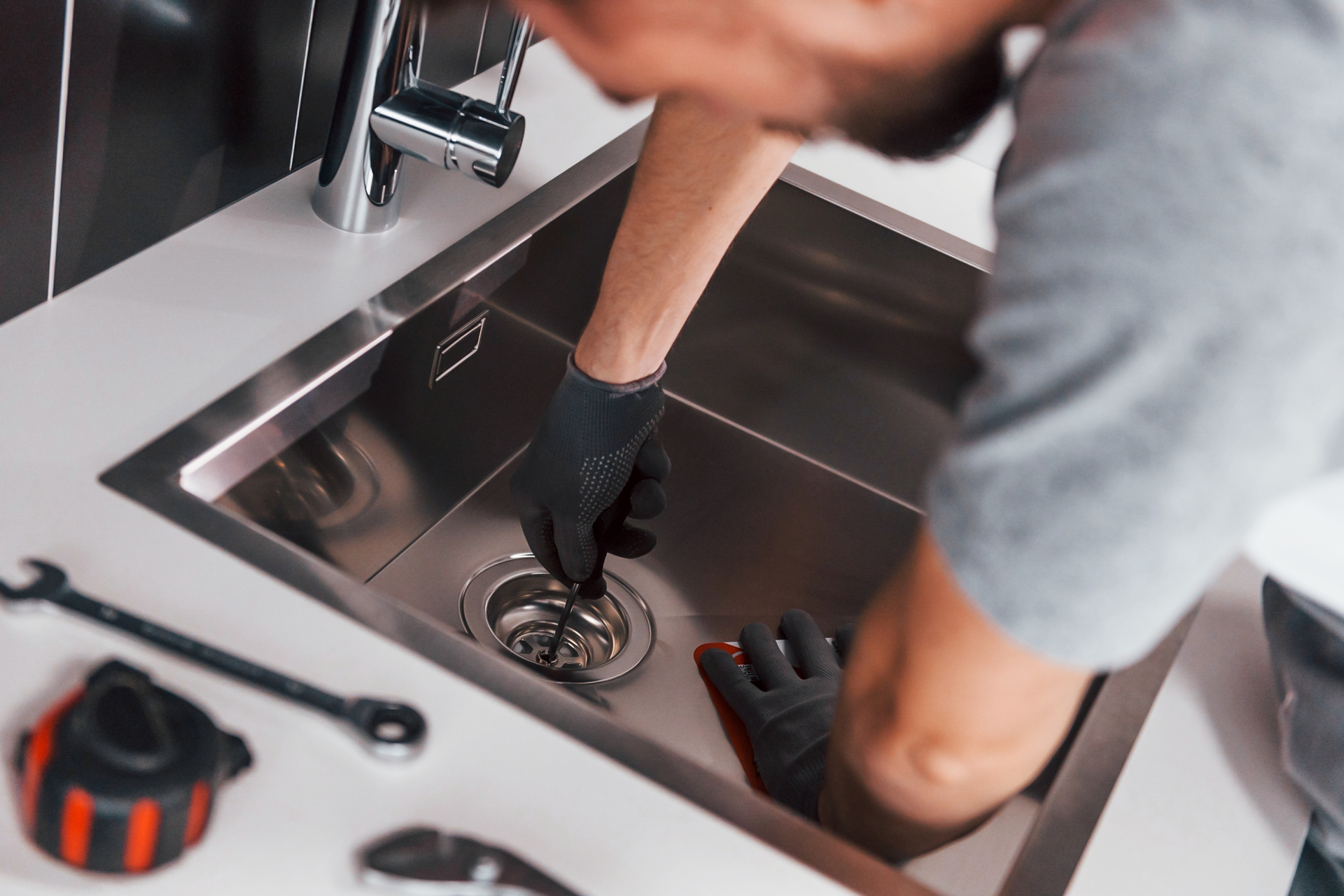
If low pressure only affects one faucet or showerhead, the culprit is probably local rather than system-wide. Aerators on faucets clog with debris and mineral flakes, and removing and cleaning them restores normal flow immediately. Showerheads accumulate scale that blocks the small spray holes, and soaking them in vinegar overnight can make a noticeable difference. These quick fixes don't require a service call, but if cleaning doesn't help, something else is restricting flow to that fixture.
Pressure Regulator Failures
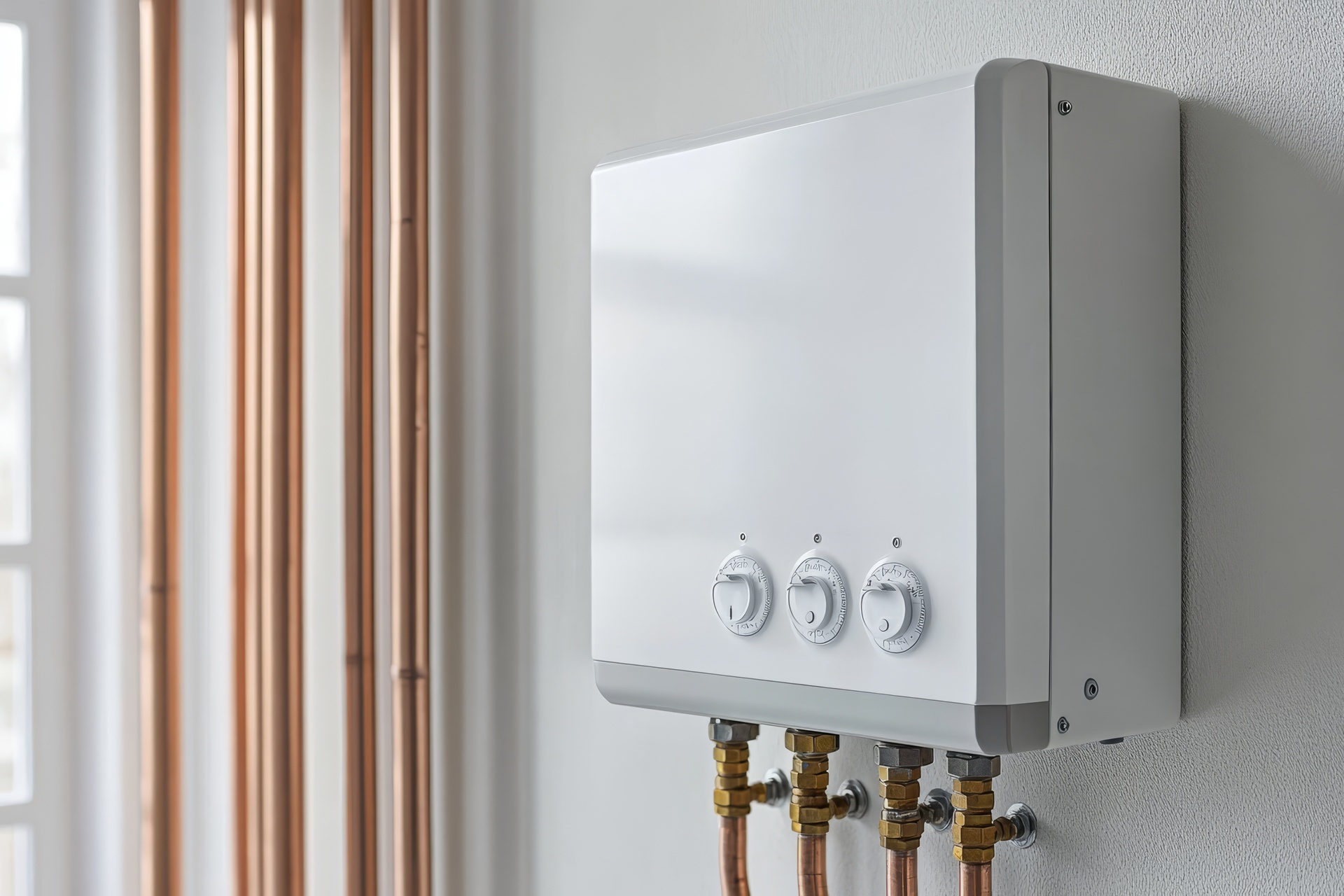
Many Pleasanton homes have a pressure-reducing valve installed where the water service enters the house, and these devices wear out over time. When the regulator fails, pressure can drop dramatically because the valve gets stuck in a partially closed position. Replacing a failed PRV restores pressure and also protects your plumbing from the high-pressure spikes that can damage fixtures and appliances. We test the incoming pressure and the pressure downstream of the regulator to determine whether the valve is working as it should.
Hidden Leaks Stealing Your Pressure
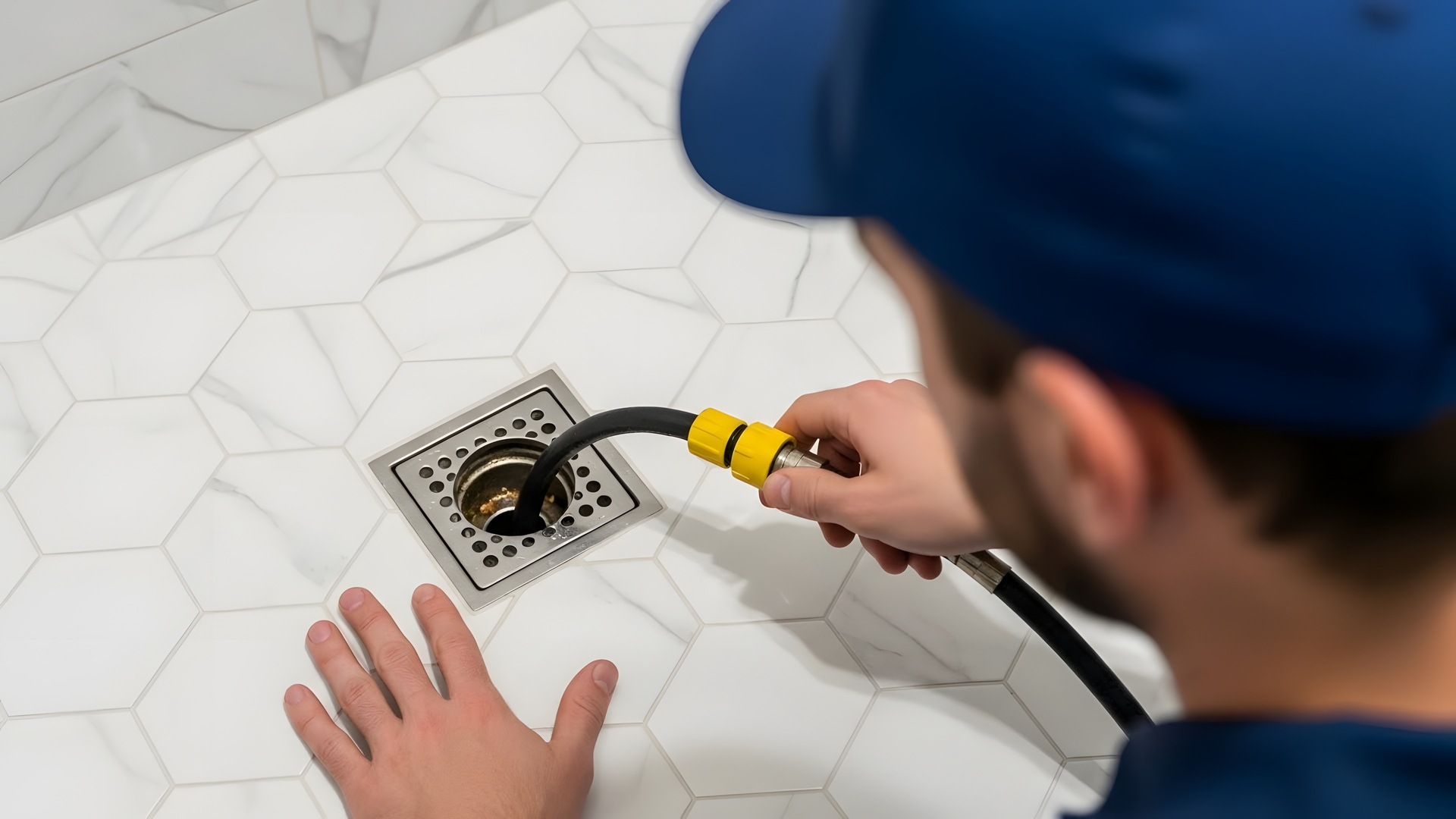
A slab leak or a broken supply line under the house can reduce pressure by diverting water before it reaches your fixtures. If your water bill has increased without explanation, or you hear water running when nothing is turned on, a leak somewhere in the system is the likely cause. We use acoustic detection equipment and thermal imaging to locate hidden leaks without tearing into walls or floors until we know exactly where to look.
Main Line Restrictions
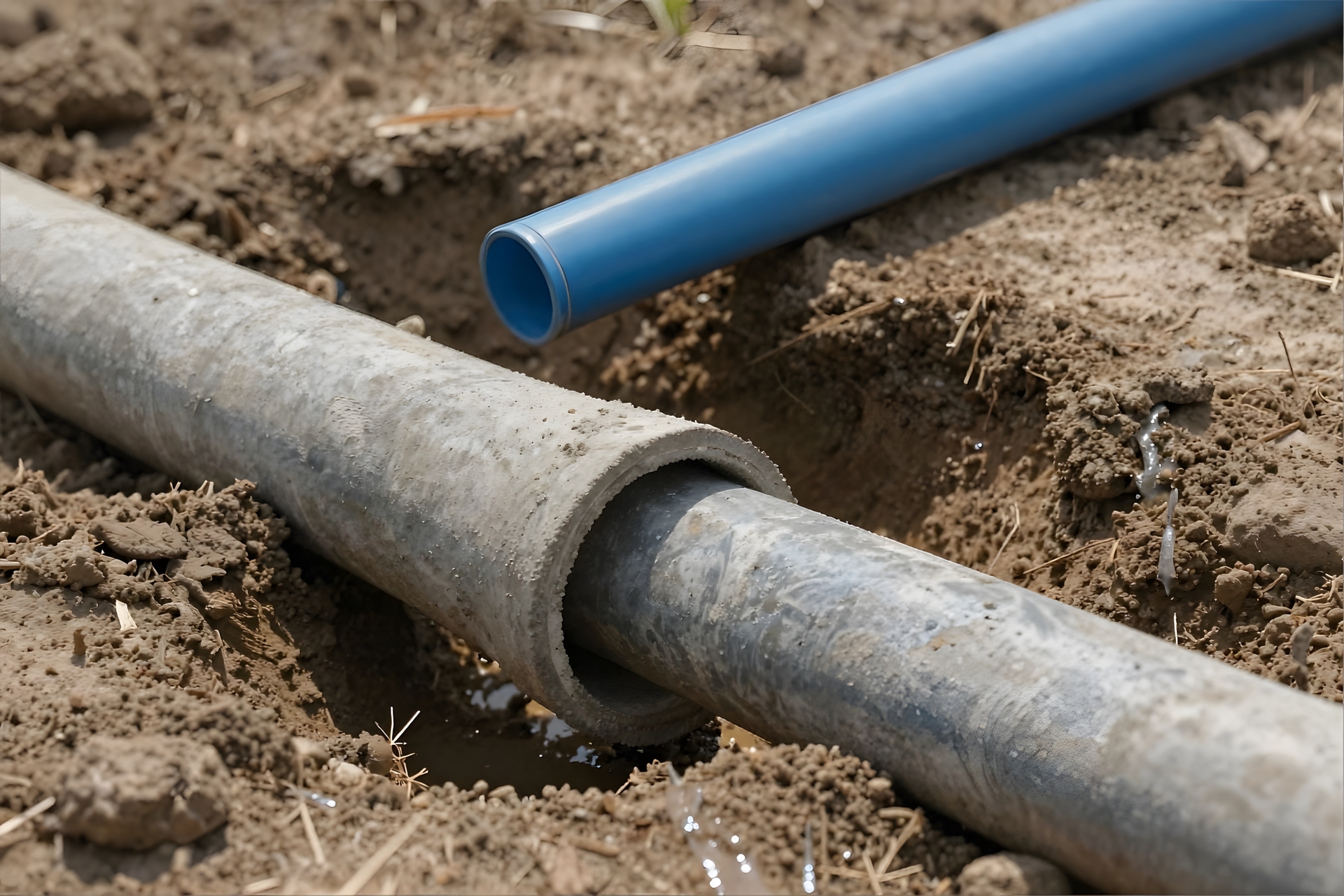
The supply line from the meter to your house can develop problems over time, especially if it's an older galvanized pipe or a polybutylene line that's beginning to deteriorate. Tree roots can compress or crush supply lines buried in the yard, and corrosion at the meter connection can restrict flow before water even enters the property. We inspect the main line when household testing doesn't reveal an obvious cause, and sometimes the fix is as straightforward as replacing a corroded shutoff valve at the meter.
Whole-House Pressure Concerns
When every fixture in the house has low pressure, the problem is upstream of the plumbing branches. This could mean a failing PRV, a partially closed main shutoff, a restricted supply line, or occasionally an issue with the city water main serving your street. We test at multiple points to isolate where pressure drops off, and that tells us exactly where to focus the repair.
Getting Your Pressure Back
Low water pressure affects everything from how well your dishwasher cleans to how comfortable your showers feel. If you're tired of waiting for fixtures to deliver and you want to know what's actually causing the problem, call The Otter Squad at (925) 397-2271. We serve Pleasanton from our Livermore location and we'll diagnose what's going on so you can decide how you want to fix it.
You turn on the shower and wait for it to get going, but the stream stays weak no matter how long you stand there. The kitchen faucet used to fill a pot in thirty seconds, and now it takes twice as long. Low water pressure creeps into your daily routine until you finally decide you've had enough, and that's when homeowners in Pleasanton start looking for answers.
Water pressure problems have multiple causes, and jumping to conclusions usually leads to wasted money. The issue could be as simple as a partially closed valve or as complicated as corroded galvanized pipes that have been narrowing for decades. We've diagnosed pressure complaints in Pleasanton homes where the problem was at the meter, inside the walls, or even related to city main issues that had nothing to do with the house itself. Finding the real cause takes systematic testing, not guesswork.
Mineral Buildup Inside Your Pipes
East Bay water contains dissolved minerals that deposit on pipe walls over time, gradually reducing the interior diameter available for flow. Galvanized steel pipes, common in homes built before the 1980s, accumulate this buildup faster than copper or PEX, and eventually the passages become so restricted that pressure drops noticeably. Homes in older Pleasanton neighborhoods near Main Street and the Hacienda area have original galvanized lines that are due for replacement, and the pressure issues are usually the first warning sign.
Fixture-Specific Problems
If low pressure only affects one faucet or showerhead, the culprit is probably local rather than system-wide. Aerators on faucets clog with debris and mineral flakes, and removing and cleaning them restores normal flow immediately. Showerheads accumulate scale that blocks the small spray holes, and soaking them in vinegar overnight can make a noticeable difference. These quick fixes don't require a service call, but if cleaning doesn't help, something else is restricting flow to that fixture.
Pressure Regulator Failures
Many Pleasanton homes have a pressure-reducing valve installed where the water service enters the house, and these devices wear out over time. When the regulator fails, pressure can drop dramatically because the valve gets stuck in a partially closed position. Replacing a failed PRV restores pressure and also protects your plumbing from the high-pressure spikes that can damage fixtures and appliances. We test the incoming pressure and the pressure downstream of the regulator to determine whether the valve is working as it should.
Hidden Leaks Stealing Your Pressure
A slab leak or a broken supply line under the house can reduce pressure by diverting water before it reaches your fixtures. If your water bill has increased without explanation, or you hear water running when nothing is turned on, a leak somewhere in the system is the likely cause. We use acoustic detection equipment and thermal imaging to locate hidden leaks without tearing into walls or floors until we know exactly where to look.
Main Line Restrictions
The supply line from the meter to your house can develop problems over time, especially if it's an older galvanized pipe or a polybutylene line that's beginning to deteriorate. Tree roots can compress or crush supply lines buried in the yard, and corrosion at the meter connection can restrict flow before water even enters the property. We inspect the main line when household testing doesn't reveal an obvious cause, and sometimes the fix is as straightforward as replacing a corroded shutoff valve at the meter.
Whole-House Pressure Concerns
When every fixture in the house has low pressure, the problem is upstream of the plumbing branches. This could mean a failing PRV, a partially closed main shutoff, a restricted supply line, or occasionally an issue with the city water main serving your street. We test at multiple points to isolate where pressure drops off, and that tells us exactly where to focus the repair.
Getting Your Pressure Back
Low water pressure affects everything from how well your dishwasher cleans to how comfortable your showers feel. If you're tired of waiting for fixtures to deliver and you want to know what's actually causing the problem, call The Otter Squad at (925) 397-2271. We serve Pleasanton from our Livermore location and we'll diagnose what's going on so you can decide how you want to fix it.
Pleasanton, CA - East Bay Plumbing Company for Low Water Pressure Problems
SYNOPSIS: The Otter Squad diagnoses and resolves low water pressure problems for Pleasanton homeowners, operating from our Livermore headquarters. They look for issues such as mineral buildup.
How We Fix Low Pressure in Pleasanton Homes
BY: ,
You turn on the shower and wait for it to get going, but the stream stays weak no matter how long you stand there. The kitchen faucet used to fill a pot in thirty seconds, and now it takes twice as long. Low water pressure creeps into your daily routine until you finally decide you've had enough, and that's when homeowners in Pleasanton start looking for answers.
Water pressure problems have multiple causes, and jumping to conclusions usually leads to wasted money. The issue could be as simple as a partially closed valve or as complicated as corroded galvanized pipes that have been narrowing for decades. We've diagnosed pressure complaints in Pleasanton homes where the problem was at the meter, inside the walls, or even related to city main issues that had nothing to do with the house itself. Finding the real cause takes systematic testing, not guesswork.
Mineral Buildup Inside Your Pipes
East Bay water contains dissolved minerals that deposit on pipe walls over time, gradually reducing the interior diameter available for flow. Galvanized steel pipes, common in homes built before the 1980s, accumulate this buildup faster than copper or PEX, and eventually the passages become so restricted that pressure drops noticeably. Homes in older Pleasanton neighborhoods near Main Street and the Hacienda area have original galvanized lines that are due for replacement, and the pressure issues are usually the first warning sign.
Fixture-Specific Problems
If low pressure only affects one faucet or showerhead, the culprit is probably local rather than system-wide. Aerators on faucets clog with debris and mineral flakes, and removing and cleaning them restores normal flow immediately. Showerheads accumulate scale that blocks the small spray holes, and soaking them in vinegar overnight can make a noticeable difference. These quick fixes don't require a service call, but if cleaning doesn't help, something else is restricting flow to that fixture.
Pressure Regulator Failures
Many Pleasanton homes have a pressure-reducing valve installed where the water service enters the house, and these devices wear out over time. When the regulator fails, pressure can drop dramatically because the valve gets stuck in a partially closed position. Replacing a failed PRV restores pressure and also protects your plumbing from the high-pressure spikes that can damage fixtures and appliances. We test the incoming pressure and the pressure downstream of the regulator to determine whether the valve is working as it should.
Hidden Leaks Stealing Your Pressure
A slab leak or a broken supply line under the house can reduce pressure by diverting water before it reaches your fixtures. If your water bill has increased without explanation, or you hear water running when nothing is turned on, a leak somewhere in the system is the likely cause. We use acoustic detection equipment and thermal imaging to locate hidden leaks without tearing into walls or floors until we know exactly where to look.
Main Line Restrictions
The supply line from the meter to your house can develop problems over time, especially if it's an older galvanized pipe or a polybutylene line that's beginning to deteriorate. Tree roots can compress or crush supply lines buried in the yard, and corrosion at the meter connection can restrict flow before water even enters the property. We inspect the main line when household testing doesn't reveal an obvious cause, and sometimes the fix is as straightforward as replacing a corroded shutoff valve at the meter.
Whole-House Pressure Concerns
When every fixture in the house has low pressure, the problem is upstream of the plumbing branches. This could mean a failing PRV, a partially closed main shutoff, a restricted supply line, or occasionally an issue with the city water main serving your street. We test at multiple points to isolate where pressure drops off, and that tells us exactly where to focus the repair.
Getting Your Pressure Back
Low water pressure affects everything from how well your dishwasher cleans to how comfortable your showers feel. If you're tired of waiting for fixtures to deliver and you want to know what's actually causing the problem, call The Otter Squad at (925) 397-2271. We serve Pleasanton from our Livermore location and we'll diagnose what's going on so you can decide how you want to fix it.