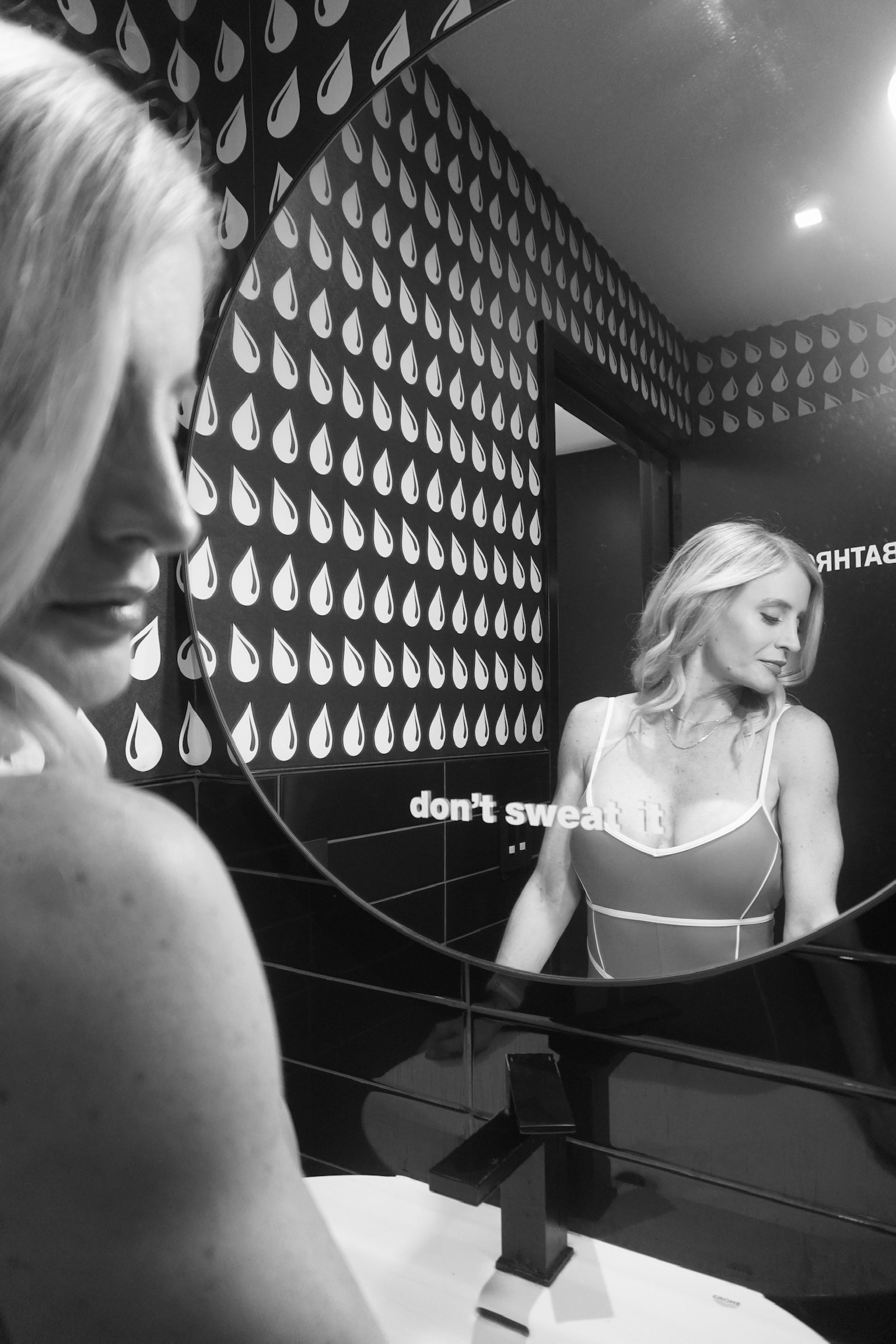
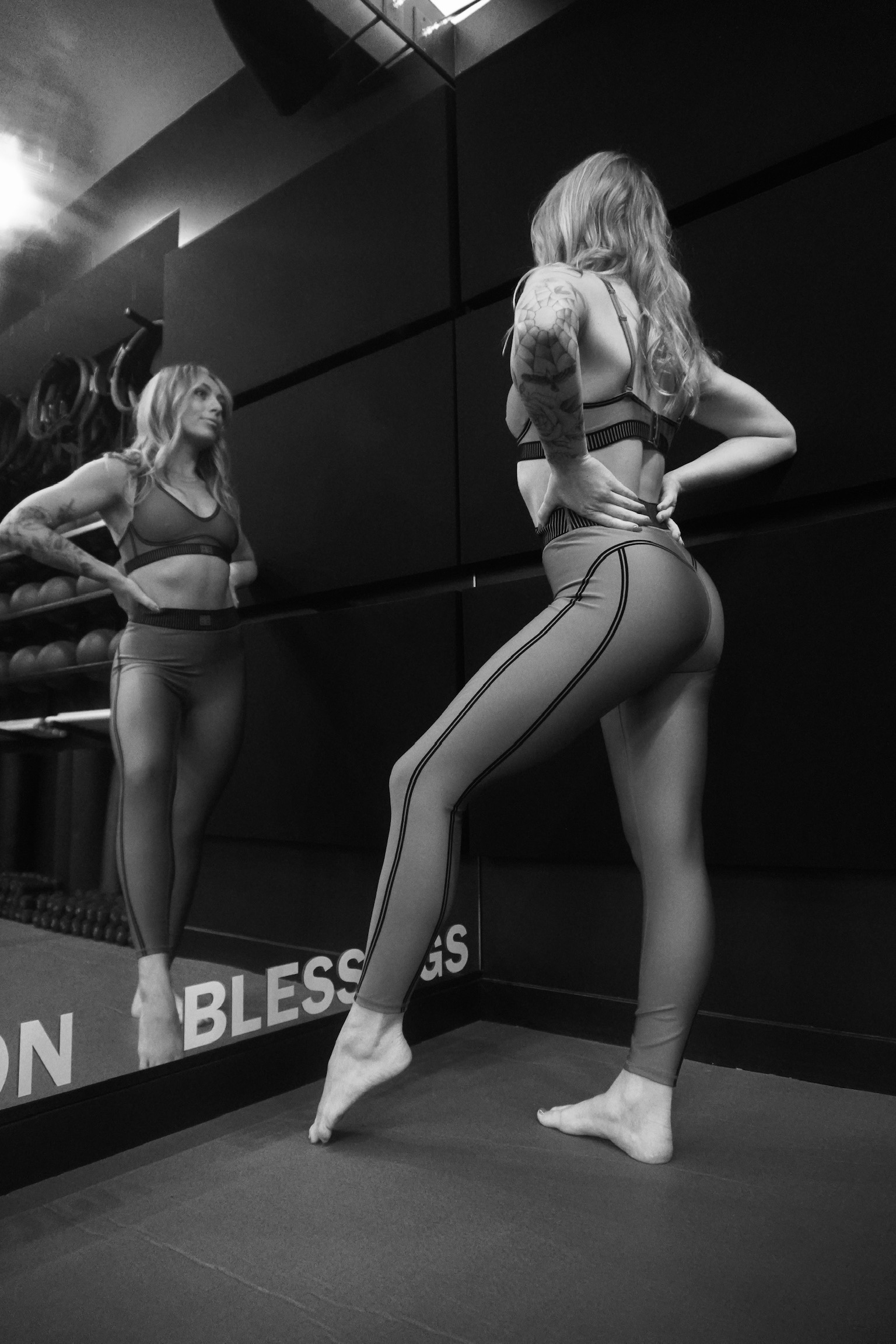
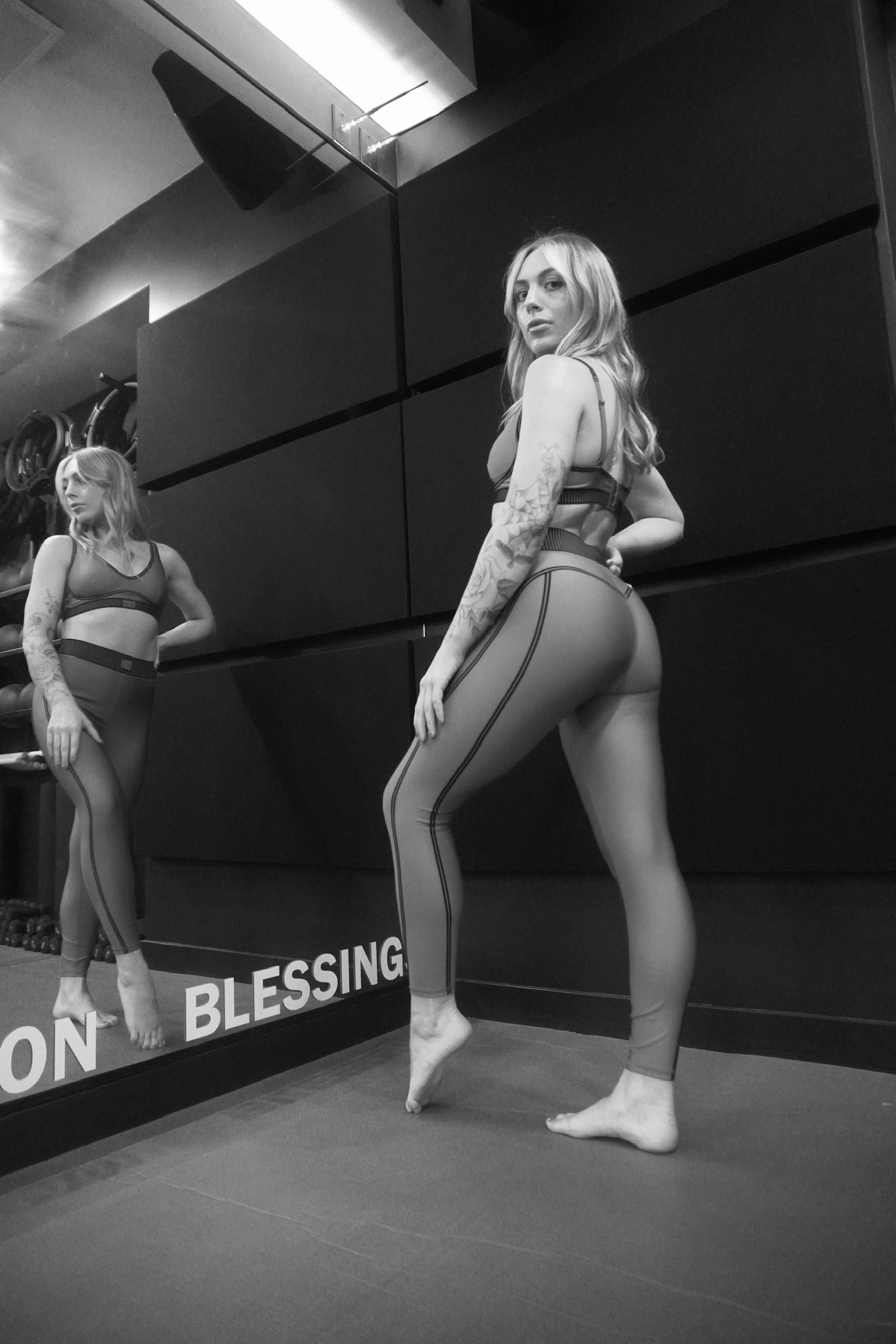
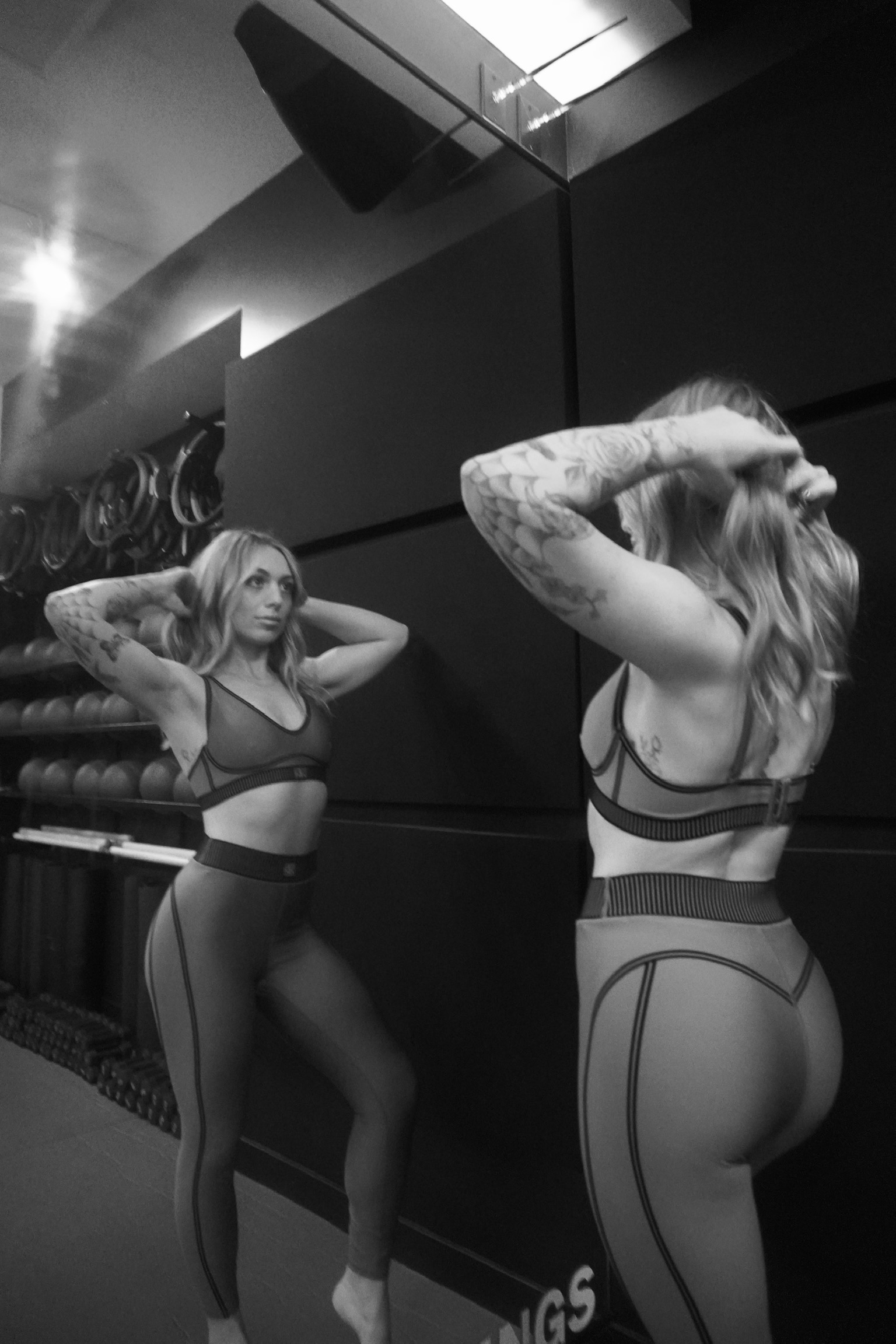
At SALTVAULT of Little Italy, we often meet clients who want to stay active but feel limited by ongoing lower back discomfort. Mat Pilates may help some people manage persistent, nonspecific lower back pain because it focuses on core stability, posture, breathing, and controlled movement. It is not a cure, and it should not replace medical care, but it may become a useful part of a broader recovery plan.
Why Core Stability Matters
The core includes more than the abdominal muscles. It also involves the hips, glutes, pelvic floor, deep spinal stabilizers, and muscles around the lower back. When these areas work together, they help support the spine during sitting, standing, lifting, and exercise.
Mat Pilates teaches clients to activate these muscles without relying on momentum. Exercises such as bridges, leg slides, controlled reaches, and modified planks challenge the trunk while keeping movement deliberate. Over time, better core control may reduce unnecessary strain caused by poor movement habits or muscular imbalance.
Controlled Movement Builds Confidence
Persistent pain often makes people hesitant to move. Avoiding activity completely, however, may lead to more stiffness and weakness. Mat Pilates offers a low-impact setting where clients can rebuild movement gradually.
At SALTVAULT, our foundational mat classes emphasize alignment, breath awareness, smooth transitions, and steady pacing. Instructors provide cues and modifications throughout class, helping clients work within a comfortable range instead of pushing through sharp or increasing pain.
Posture and Mobility Work Together
Long hours at a desk, frequent driving, and limited activity may leave the hips tight and the trunk underused. Those patterns sometimes place extra stress on the lower back.
Mat Pilates addresses posture through spinal movement, hip stability, and balanced muscle engagement. The goal is not to force a rigid position. We help clients develop enough strength and mobility to sit, stand, and move with better support.
Choosing Heated or Unheated Mat Pilates
SALTVAULT offers heated and unheated class options. Our heated formats use infrared warmth, while ZEST removes the heat and focuses on mat work, spinal movement, trunk strength, control, concentration, precision, breath, and flow.
Someone managing ongoing back discomfort may prefer starting with an unheated or lightly heated class. This makes it easier to focus on technique and notice how each movement feels. Heat may help muscles feel looser, but it may also make it easier to stretch beyond a comfortable range without realizing it. Good control still matters more than temperature.
When to Speak With a Medical Professional
Persistent lower back pain deserves proper evaluation, especially when symptoms are new, worsening, or affecting daily life. Seek medical guidance before beginning class if pain follows a fall or injury, travels down a leg, or appears with numbness, weakness, fever, or changes in bladder or bowel control.
Once a medical professional clears exercise, tell the instructor about any limitations before class begins. A modification is not a setback. It is simply a smarter route through the movement.
Start Moving With Greater Support
Mat Pilates may help relieve persistent lower back pain for some clients by improving core stability, posture, mobility, and movement confidence. Progress comes from patience, consistency, and choosing exercises suited to the body in front of you.
Call to Action:
Visit SALTVAULT of Little Italy online to view our schedule and choose a foundational mat Pilates class supporting controlled, low-impact movement.