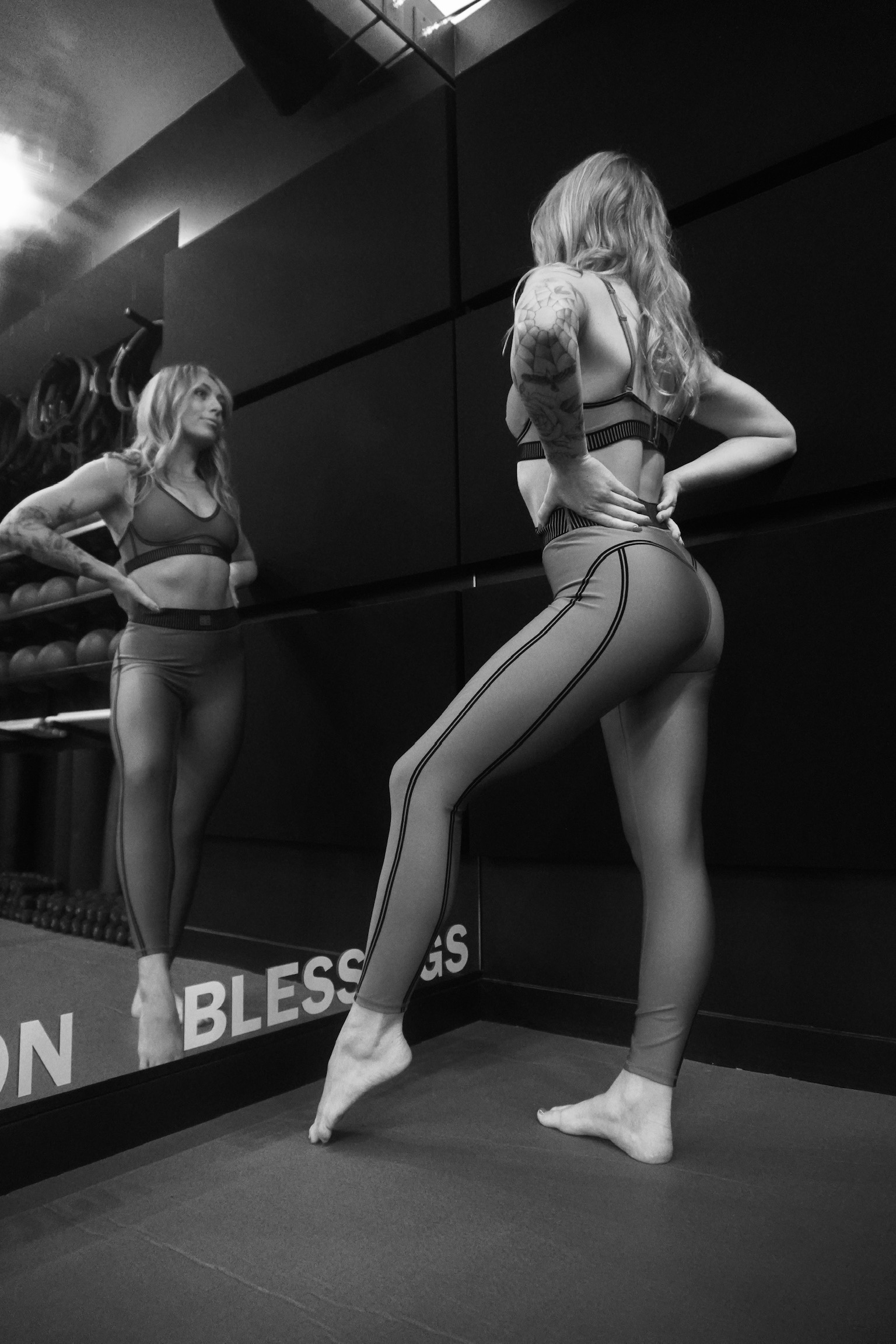
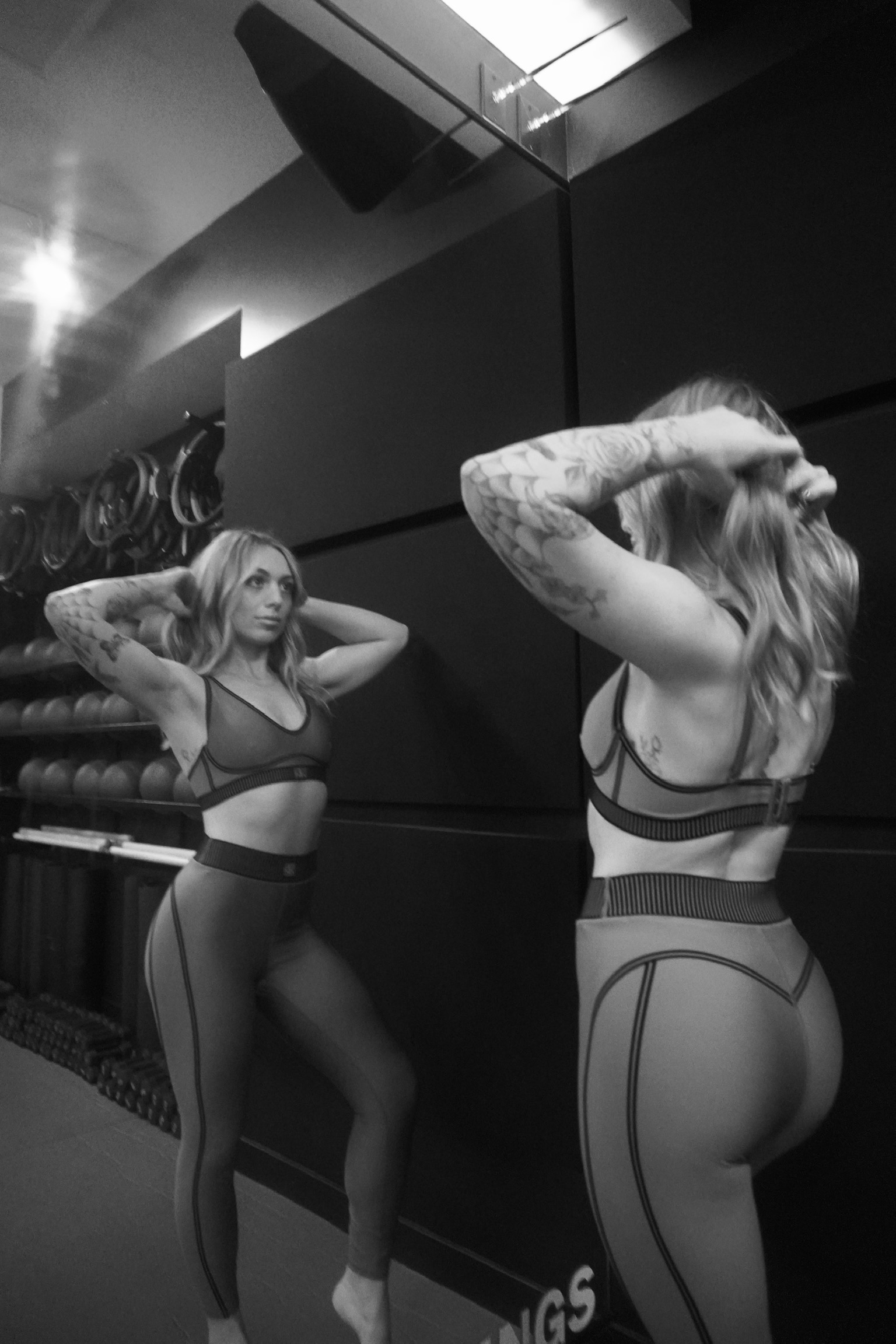
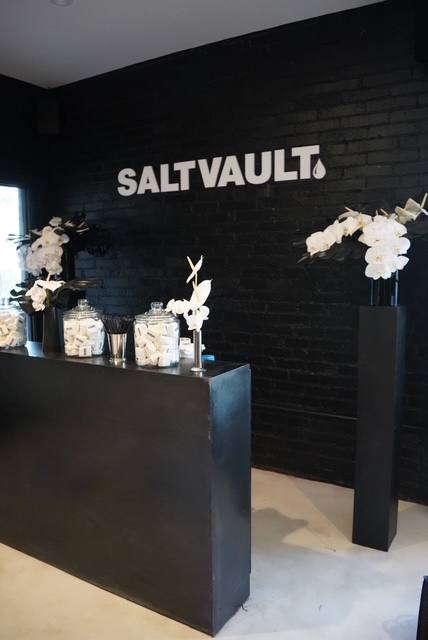
 At SALTVAULT of Little Italy, we know runners put a lot of strain on their bodies. Miles build endurance, but repeated impact may also leave the hips tight, the calves loaded, the backs stiff, and the smaller stabilizing muscles undertrained. Heated Pilates offers runners a smart way to train outside their usual routes without adding extra pounding to their bodies.
SALTVAULT is a musically driven, infrared-heated mat Pilates studio with 50-minute classes heated with infrared technology between 85 and 105 degrees. Our classes are designed to help clients sweat, strengthen, and flow with purpose.
Why Runners Need More Than Miles
Running builds cardiovascular endurance, but strong running also depends on mobility, posture, core control, and recovery. Mayo Clinic Health System recommends runners include strength training to help avoid muscle imbalance, along with regular stretching after runs and at least one easy or rest day after heavy training.
Heated Pilates fits well into this bigger training picture. It supports the areas runners often neglect while keeping movement low-impact and controlled.
Core Strength Supports Better Running Form
A strong core helps runners maintain posture when fatigue sets in. Once the trunk starts collapsing, stride mechanics often follow. Pilates trains the abdominals, hips, glutes, back, and stabilizing muscles to work together.
At SALTVAULT, our SPICE class uses heated mat Pilates with props such as weights, resistance bands, exercise balls, and the magic circle. This format challenges the trunk, glutes, and supporting muscles without relying on heavy impact.
For runners, this matters. Better core control may support smoother movement, stronger balance, and less wasted energy during long runs.
Heat Helps With Flexibility and Circulation
Runners often battle tightness in their hip flexors, hamstrings, calves, and lower backs. SALTVAULT’s heated SPICE class uses 95-105 degree heat to initiate a strong sweat, increase flexibility, and stimulate blood circulation.
Warm muscles usually respond better to controlled movement. During heated Pilates, runners can work through mobility-focused sequences while staying active and engaged. The goal is not to force flexibility. The goal is to create a more usable range of motion with strength behind it.
Low-Impact Training Helps Balance Heavy Run Weeks
A runner’s joints already absorb plenty of impact. Heated Pilates adds strength work without turning every training day into another pounding session. Cleveland Clinic’s runner-focused guidance highlights strength, flexibility, mechanics, and training progression as key areas for performance and injury prevention.
This makes heated Pilates useful during base building, race prep, or recovery weeks. It keeps the body moving while reducing the need for another high-impact workout.
Recovery Starts With Better Movement
Recovery does not always mean doing nothing. Sometimes the body needs movement at a lower intensity. Heated Pilates helps runners breathe, stretch, activate the core, and restore better movement patterns between runs.
Our ZEST class language emphasizes moving the spine, strengthening the trunk, and building knowledge around centering, control, concentration, precision, breath, and flow. Those same Pilates principles carry into heated work, helping runners become more aware of how they move.
Add Heated Pilates With Intention
Runners do not need to replace their training plan. Heated Pilates works best as a support system. One to two classes per week may help many runners improve strength, mobility, and recovery without overloading the schedule.
Call to Action:
Ready to support your running with smarter cross-training? Visit SALTVAULT of Little Italy to explore our schedule and book a heated Pilates class built to help you move, recover, and run stronger.
At SALTVAULT of Little Italy, we know runners put a lot of strain on their bodies. Miles build endurance, but repeated impact may also leave the hips tight, the calves loaded, the backs stiff, and the smaller stabilizing muscles undertrained. Heated Pilates offers runners a smart way to train outside their usual routes without adding extra pounding to their bodies.
SALTVAULT is a musically driven, infrared-heated mat Pilates studio with 50-minute classes heated with infrared technology between 85 and 105 degrees. Our classes are designed to help clients sweat, strengthen, and flow with purpose.
Why Runners Need More Than Miles
Running builds cardiovascular endurance, but strong running also depends on mobility, posture, core control, and recovery. Mayo Clinic Health System recommends runners include strength training to help avoid muscle imbalance, along with regular stretching after runs and at least one easy or rest day after heavy training.
Heated Pilates fits well into this bigger training picture. It supports the areas runners often neglect while keeping movement low-impact and controlled.
Core Strength Supports Better Running Form
A strong core helps runners maintain posture when fatigue sets in. Once the trunk starts collapsing, stride mechanics often follow. Pilates trains the abdominals, hips, glutes, back, and stabilizing muscles to work together.
At SALTVAULT, our SPICE class uses heated mat Pilates with props such as weights, resistance bands, exercise balls, and the magic circle. This format challenges the trunk, glutes, and supporting muscles without relying on heavy impact.
For runners, this matters. Better core control may support smoother movement, stronger balance, and less wasted energy during long runs.
Heat Helps With Flexibility and Circulation
Runners often battle tightness in their hip flexors, hamstrings, calves, and lower backs. SALTVAULT’s heated SPICE class uses 95-105 degree heat to initiate a strong sweat, increase flexibility, and stimulate blood circulation.
Warm muscles usually respond better to controlled movement. During heated Pilates, runners can work through mobility-focused sequences while staying active and engaged. The goal is not to force flexibility. The goal is to create a more usable range of motion with strength behind it.
Low-Impact Training Helps Balance Heavy Run Weeks
A runner’s joints already absorb plenty of impact. Heated Pilates adds strength work without turning every training day into another pounding session. Cleveland Clinic’s runner-focused guidance highlights strength, flexibility, mechanics, and training progression as key areas for performance and injury prevention.
This makes heated Pilates useful during base building, race prep, or recovery weeks. It keeps the body moving while reducing the need for another high-impact workout.
Recovery Starts With Better Movement
Recovery does not always mean doing nothing. Sometimes the body needs movement at a lower intensity. Heated Pilates helps runners breathe, stretch, activate the core, and restore better movement patterns between runs.
Our ZEST class language emphasizes moving the spine, strengthening the trunk, and building knowledge around centering, control, concentration, precision, breath, and flow. Those same Pilates principles carry into heated work, helping runners become more aware of how they move.
Add Heated Pilates With Intention
Runners do not need to replace their training plan. Heated Pilates works best as a support system. One to two classes per week may help many runners improve strength, mobility, and recovery without overloading the schedule.
Call to Action:
Ready to support your running with smarter cross-training? Visit SALTVAULT of Little Italy to explore our schedule and book a heated Pilates class built to help you move, recover, and run stronger.
San Diego, CA — Should Runners Add Heated Pilates to Training Programs?
SYNOPSIS: Runners across San Diego may use heated Pilates at SALTVAULT to support their core strength, flexibility, recovery, balance, and as a way to get smarter training between runs.
Heated Pilates as a Way For Runners to Cross-Train
BY: Betsy Blumenfeld, SALTVAULT of Little Italy, CA
At SALTVAULT of Little Italy, we know runners put a lot of strain on their bodies. Miles build endurance, but repeated impact may also leave the hips tight, the calves loaded, the backs stiff, and the smaller stabilizing muscles undertrained. Heated Pilates offers runners a smart way to train outside their usual routes without adding extra pounding to their bodies.
SALTVAULT is a musically driven, infrared-heated mat Pilates studio with 50-minute classes heated with infrared technology between 85 and 105 degrees. Our classes are designed to help clients sweat, strengthen, and flow with purpose.
Why Runners Need More Than Miles
Running builds cardiovascular endurance, but strong running also depends on mobility, posture, core control, and recovery. Mayo Clinic Health System recommends runners include strength training to help avoid muscle imbalance, along with regular stretching after runs and at least one easy or rest day after heavy training.
Heated Pilates fits well into this bigger training picture. It supports the areas runners often neglect while keeping movement low-impact and controlled.
Core Strength Supports Better Running Form
A strong core helps runners maintain posture when fatigue sets in. Once the trunk starts collapsing, stride mechanics often follow. Pilates trains the abdominals, hips, glutes, back, and stabilizing muscles to work together.
At SALTVAULT, our SPICE class uses heated mat Pilates with props such as weights, resistance bands, exercise balls, and the magic circle. This format challenges the trunk, glutes, and supporting muscles without relying on heavy impact.
For runners, this matters. Better core control may support smoother movement, stronger balance, and less wasted energy during long runs.
Heat Helps With Flexibility and Circulation
Runners often battle tightness in their hip flexors, hamstrings, calves, and lower backs. SALTVAULT’s heated SPICE class uses 95-105 degree heat to initiate a strong sweat, increase flexibility, and stimulate blood circulation.
Warm muscles usually respond better to controlled movement. During heated Pilates, runners can work through mobility-focused sequences while staying active and engaged. The goal is not to force flexibility. The goal is to create a more usable range of motion with strength behind it.
Low-Impact Training Helps Balance Heavy Run Weeks
A runner’s joints already absorb plenty of impact. Heated Pilates adds strength work without turning every training day into another pounding session. Cleveland Clinic’s runner-focused guidance highlights strength, flexibility, mechanics, and training progression as key areas for performance and injury prevention.
This makes heated Pilates useful during base building, race prep, or recovery weeks. It keeps the body moving while reducing the need for another high-impact workout.
Recovery Starts With Better Movement
Recovery does not always mean doing nothing. Sometimes the body needs movement at a lower intensity. Heated Pilates helps runners breathe, stretch, activate the core, and restore better movement patterns between runs.
Our ZEST class language emphasizes moving the spine, strengthening the trunk, and building knowledge around centering, control, concentration, precision, breath, and flow. Those same Pilates principles carry into heated work, helping runners become more aware of how they move.
Add Heated Pilates With Intention
Runners do not need to replace their training plan. Heated Pilates works best as a support system. One to two classes per week may help many runners improve strength, mobility, and recovery without overloading the schedule.
Call to Action:
Ready to support your running with smarter cross-training? Visit SALTVAULT of Little Italy to explore our schedule and book a heated Pilates class built to help you move, recover, and run stronger.