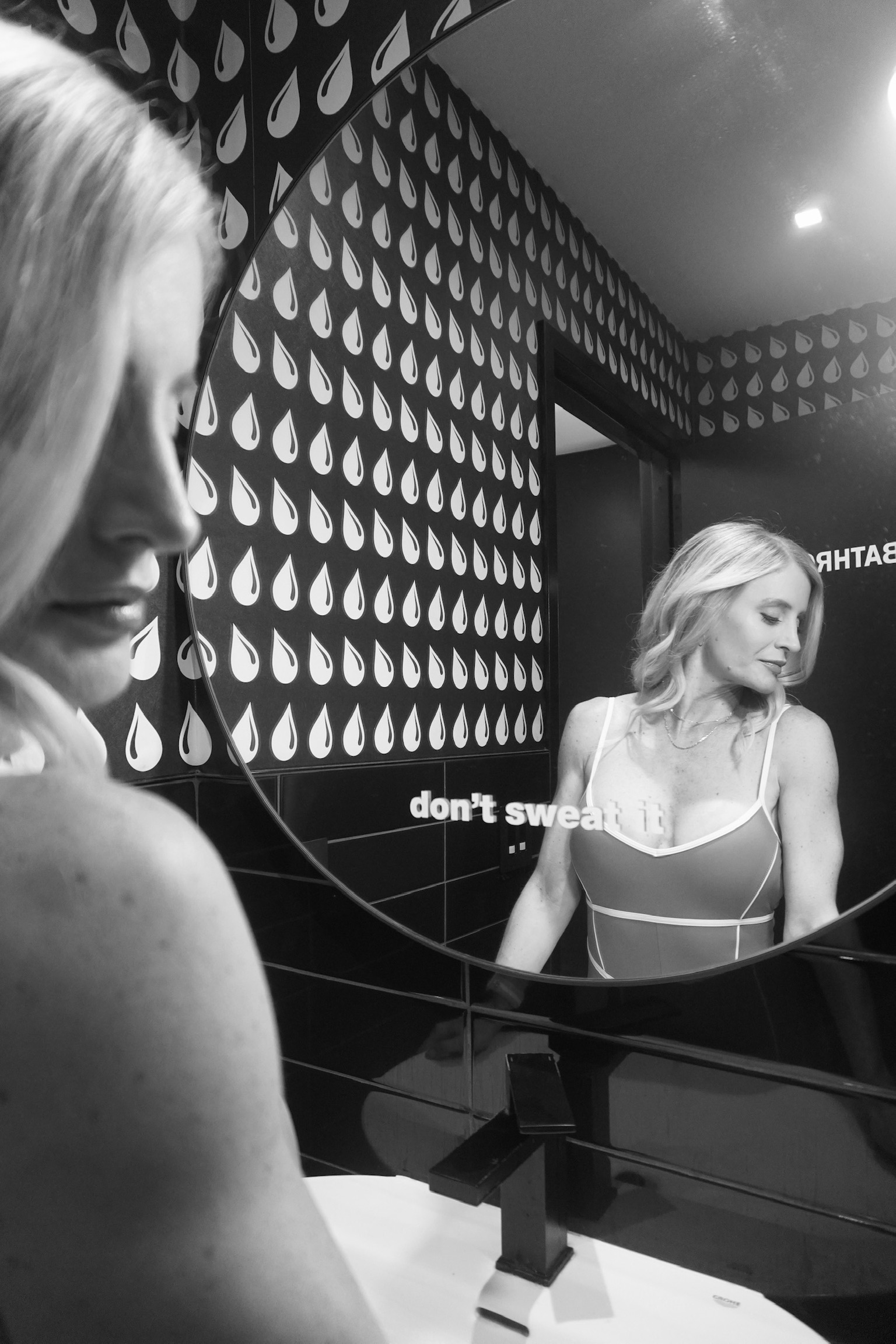
 At SALTVAULT of Little Italy, one of the most common questions we hear is simple: how often should you do Hot Pilates, actually, to see results? The honest answer depends on your goals, your current fitness level, and how well you recover between sessions. However, there are clear patterns that help most clients build strength, improve endurance, and feel measurable progress.
Hot Pilates works best when it becomes part of a consistent routine rather than something done occasionally. Like any training method, results come from repetition, quality movement, and time.
Why Consistency Matters More Than Intensity
Hot Pilates is built around controlled movement, core engagement, and endurance-based strength. These benefits develop over time, not from a single intense session. Clients who attend regularly tend to notice better posture, improved muscle tone, and stronger movement patterns.
Rather than pushing maximum effort once a week, steady attendance allows the body to adapt. Muscles learn to engage more efficiently, and movements feel more natural with each class.
A Strong Starting Point for Most Clients
For many clients, attending Hot Pilates two to three times per week provides a solid foundation. This frequency provides sufficient exposure to build strength while still allowing the body time to recover.
At this level, clients often begin to notice changes in core strength, balance, and overall endurance within a few weeks. The body responds well to the rhythm of effort followed by recovery.
Increasing Frequency for Faster Progress
Clients who want to accelerate results may choose to attend three to five sessions per week. This higher frequency increases time under tension and reinforces movement patterns more quickly.
However, recovery becomes even more important at this level. Hot Pilates challenges muscles through sustained engagement, so rest days or lighter movement days help maintain performance and reduce fatigue.
Listening to the body plays a key role. Progress improves when effort and recovery stay balanced.
Pairing Hot Pilates With Other Activities
Hot Pilates fits well alongside other forms of training. Some clients combine it with walking, strength training, or low-impact cardio. Others use it as their primary workout for both strength and mobility.
Because Hot Pilates remains low-impact, it supports frequent participation without placing excessive stress on joints. This makes it a reliable option for building a weekly routine.
Signs You’re Seeing Real Results
Results from Hot Pilates often show up in ways beyond appearance. Clients frequently report stronger core engagement, improved posture, and better control during everyday movement.
Physical changes may include more defined muscles, increased flexibility, and improved endurance. These results tend to build gradually, which makes consistency even more important.
Progress also feels more noticeable when movement becomes smoother and more controlled.
The Role of Recovery and Rest
Recovery is part of the process, not a break from it. Muscles rebuild and strengthen between sessions. Taking one or two rest days each week helps prevent fatigue and supports long-term progress.
Hydration, stretching, and proper sleep also play a role in how the body responds to Hot Pilates. When recovery is prioritized, results tend to come more steadily.
Build Your Routine With SALTVAULT
At SALTVAULT, we guide clients toward a routine that fits their goals and lifestyle. Whether attending two classes a week or building toward a more frequent schedule, the focus remains on quality movement and sustainable progress.
Hot Pilates is not about rushing results. It is about building strength, control, and confidence over time.
Call to Action:
Ready to see real results with Hot Pilates? Visit SALTVAULT of Little Italy to view our schedule and start building a routine that supports your goals and keeps you moving forward.
At SALTVAULT of Little Italy, one of the most common questions we hear is simple: how often should you do Hot Pilates, actually, to see results? The honest answer depends on your goals, your current fitness level, and how well you recover between sessions. However, there are clear patterns that help most clients build strength, improve endurance, and feel measurable progress.
Hot Pilates works best when it becomes part of a consistent routine rather than something done occasionally. Like any training method, results come from repetition, quality movement, and time.
Why Consistency Matters More Than Intensity
Hot Pilates is built around controlled movement, core engagement, and endurance-based strength. These benefits develop over time, not from a single intense session. Clients who attend regularly tend to notice better posture, improved muscle tone, and stronger movement patterns.
Rather than pushing maximum effort once a week, steady attendance allows the body to adapt. Muscles learn to engage more efficiently, and movements feel more natural with each class.
A Strong Starting Point for Most Clients
For many clients, attending Hot Pilates two to three times per week provides a solid foundation. This frequency provides sufficient exposure to build strength while still allowing the body time to recover.
At this level, clients often begin to notice changes in core strength, balance, and overall endurance within a few weeks. The body responds well to the rhythm of effort followed by recovery.
Increasing Frequency for Faster Progress
Clients who want to accelerate results may choose to attend three to five sessions per week. This higher frequency increases time under tension and reinforces movement patterns more quickly.
However, recovery becomes even more important at this level. Hot Pilates challenges muscles through sustained engagement, so rest days or lighter movement days help maintain performance and reduce fatigue.
Listening to the body plays a key role. Progress improves when effort and recovery stay balanced.
Pairing Hot Pilates With Other Activities
Hot Pilates fits well alongside other forms of training. Some clients combine it with walking, strength training, or low-impact cardio. Others use it as their primary workout for both strength and mobility.
Because Hot Pilates remains low-impact, it supports frequent participation without placing excessive stress on joints. This makes it a reliable option for building a weekly routine.
Signs You’re Seeing Real Results
Results from Hot Pilates often show up in ways beyond appearance. Clients frequently report stronger core engagement, improved posture, and better control during everyday movement.
Physical changes may include more defined muscles, increased flexibility, and improved endurance. These results tend to build gradually, which makes consistency even more important.
Progress also feels more noticeable when movement becomes smoother and more controlled.
The Role of Recovery and Rest
Recovery is part of the process, not a break from it. Muscles rebuild and strengthen between sessions. Taking one or two rest days each week helps prevent fatigue and supports long-term progress.
Hydration, stretching, and proper sleep also play a role in how the body responds to Hot Pilates. When recovery is prioritized, results tend to come more steadily.
Build Your Routine With SALTVAULT
At SALTVAULT, we guide clients toward a routine that fits their goals and lifestyle. Whether attending two classes a week or building toward a more frequent schedule, the focus remains on quality movement and sustainable progress.
Hot Pilates is not about rushing results. It is about building strength, control, and confidence over time.
Call to Action:
Ready to see real results with Hot Pilates? Visit SALTVAULT of Little Italy to view our schedule and start building a routine that supports your goals and keeps you moving forward.
Bonita, CA - How Often Should You Do Hot Pilates to See Real Fitness Results?
SYNOPSIS: SALTVAULT of Little Italy explains how class frequency and recovery help build strength, improve endurance, and support long-term fitness results. Consistency matters the most.
How Often to Do Hot Pilates for Results
BY: Betsy Blumenfeld, SALTVAULT of Little Italy, CA
At SALTVAULT of Little Italy, one of the most common questions we hear is simple: how often should you do Hot Pilates, actually, to see results? The honest answer depends on your goals, your current fitness level, and how well you recover between sessions. However, there are clear patterns that help most clients build strength, improve endurance, and feel measurable progress.
Hot Pilates works best when it becomes part of a consistent routine rather than something done occasionally. Like any training method, results come from repetition, quality movement, and time.
Why Consistency Matters More Than Intensity
Hot Pilates is built around controlled movement, core engagement, and endurance-based strength. These benefits develop over time, not from a single intense session. Clients who attend regularly tend to notice better posture, improved muscle tone, and stronger movement patterns.
Rather than pushing maximum effort once a week, steady attendance allows the body to adapt. Muscles learn to engage more efficiently, and movements feel more natural with each class.
A Strong Starting Point for Most Clients
For many clients, attending Hot Pilates two to three times per week provides a solid foundation. This frequency provides sufficient exposure to build strength while still allowing the body time to recover.
At this level, clients often begin to notice changes in core strength, balance, and overall endurance within a few weeks. The body responds well to the rhythm of effort followed by recovery.
Increasing Frequency for Faster Progress
Clients who want to accelerate results may choose to attend three to five sessions per week. This higher frequency increases time under tension and reinforces movement patterns more quickly.
However, recovery becomes even more important at this level. Hot Pilates challenges muscles through sustained engagement, so rest days or lighter movement days help maintain performance and reduce fatigue.
Listening to the body plays a key role. Progress improves when effort and recovery stay balanced.
Pairing Hot Pilates With Other Activities
Hot Pilates fits well alongside other forms of training. Some clients combine it with walking, strength training, or low-impact cardio. Others use it as their primary workout for both strength and mobility.
Because Hot Pilates remains low-impact, it supports frequent participation without placing excessive stress on joints. This makes it a reliable option for building a weekly routine.
Signs You’re Seeing Real Results
Results from Hot Pilates often show up in ways beyond appearance. Clients frequently report stronger core engagement, improved posture, and better control during everyday movement.
Physical changes may include more defined muscles, increased flexibility, and improved endurance. These results tend to build gradually, which makes consistency even more important.
Progress also feels more noticeable when movement becomes smoother and more controlled.
The Role of Recovery and Rest
Recovery is part of the process, not a break from it. Muscles rebuild and strengthen between sessions. Taking one or two rest days each week helps prevent fatigue and supports long-term progress.
Hydration, stretching, and proper sleep also play a role in how the body responds to Hot Pilates. When recovery is prioritized, results tend to come more steadily.
Build Your Routine With SALTVAULT
At SALTVAULT, we guide clients toward a routine that fits their goals and lifestyle. Whether attending two classes a week or building toward a more frequent schedule, the focus remains on quality movement and sustainable progress.
Hot Pilates is not about rushing results. It is about building strength, control, and confidence over time.
Call to Action:
Ready to see real results with Hot Pilates? Visit SALTVAULT of Little Italy to view our schedule and start building a routine that supports your goals and keeps you moving forward.