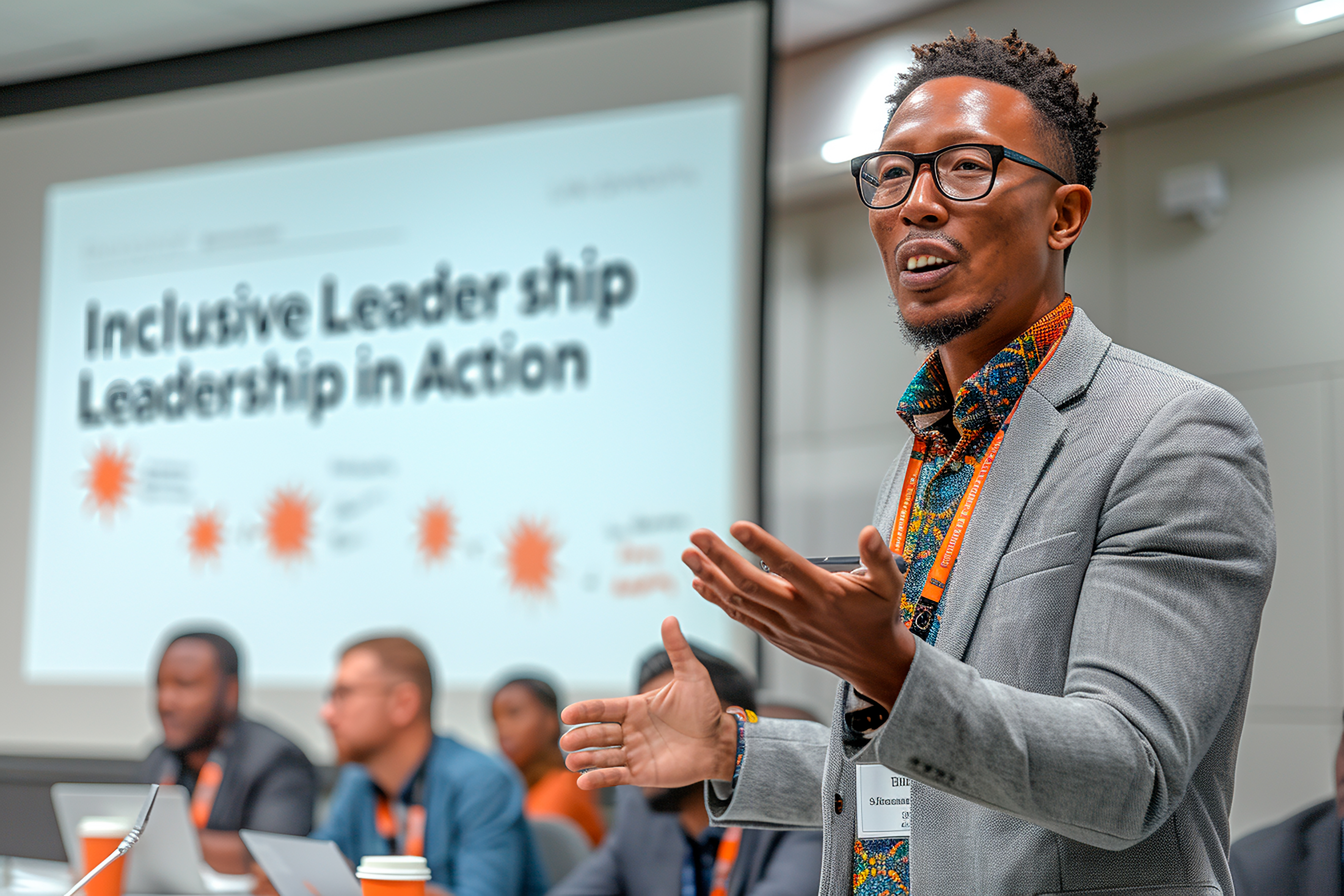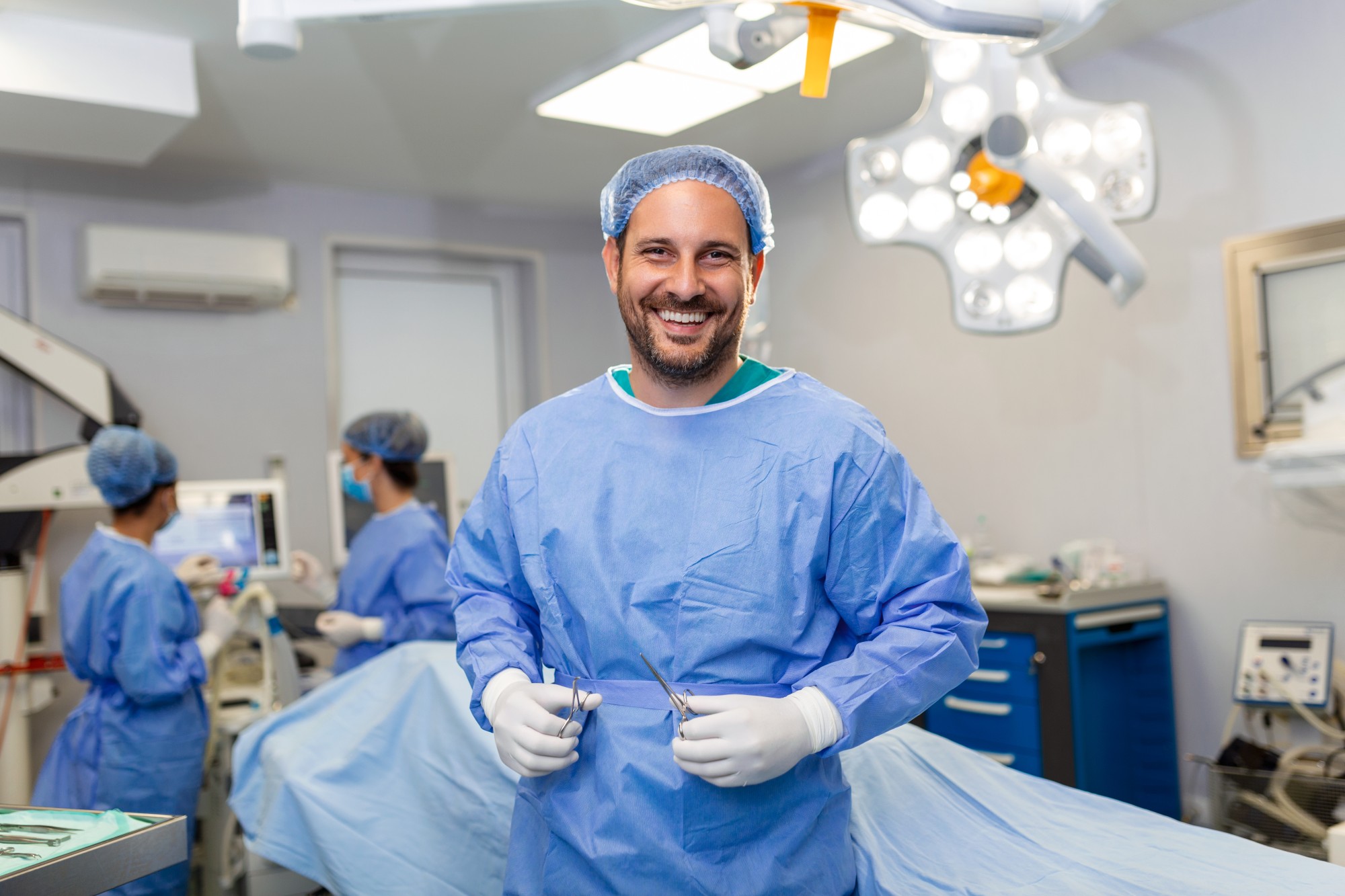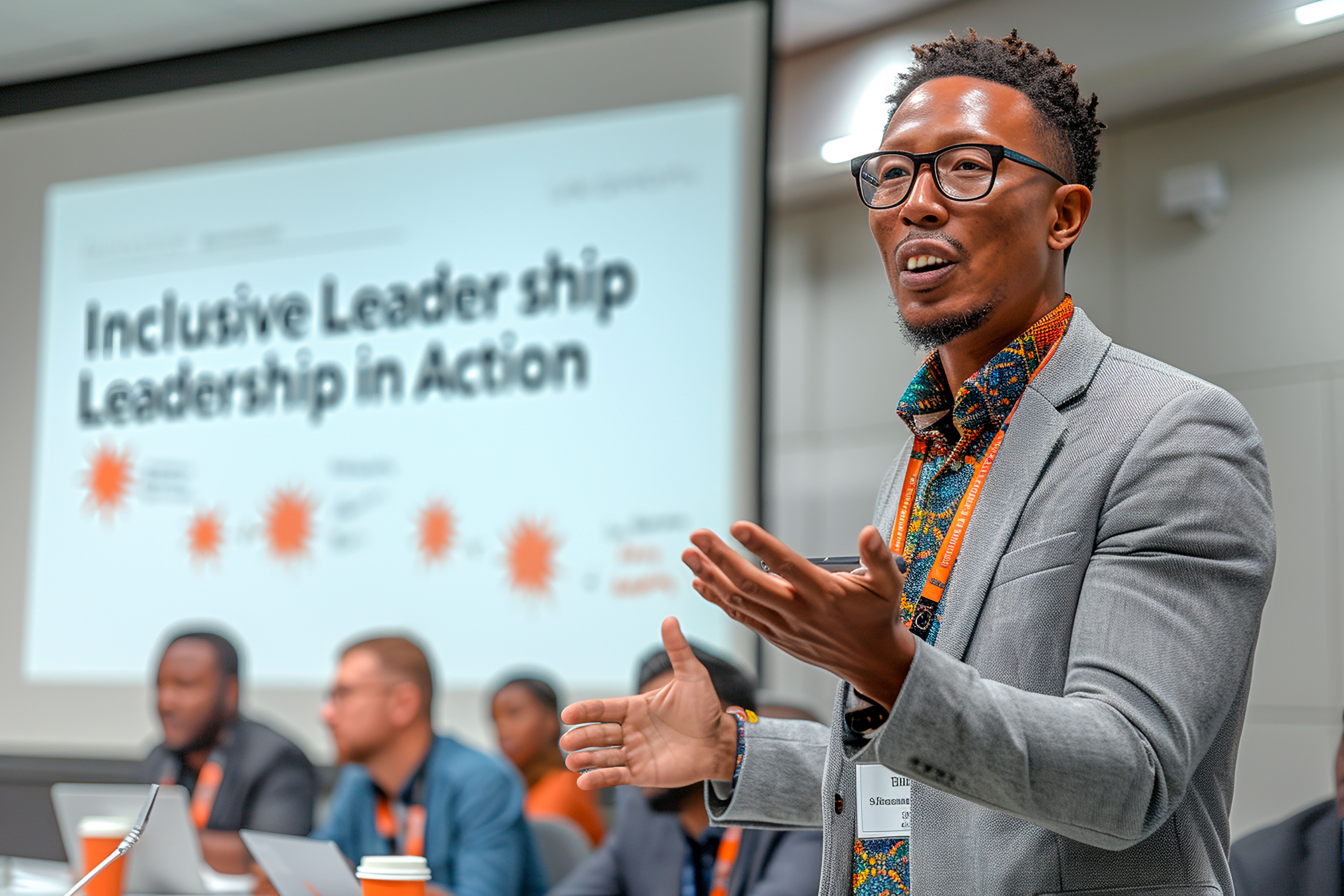
Healthcare professionals often rise into leadership roles without formal team or operations management training. Leadership development services offer the tools to lead with vision, communication, and clarity.
Coaches focus on practical skills that build trust, improve staff morale, and strengthen decision-making. These services help healthcare leaders guide their teams through both calm and crisis.
Strengthening Communication Across Departments
Effective communication is essential in healthcare, especially when coordinating across physicians, nurses, administrators, and external partners. Leadership training improves clarity, active listening, and conflict resolution.
Healthcare leaders learn how to manage meetings, give feedback, and build cross-functional trust. These improvements can directly reduce errors, delays, and burnout among teams.
Enhancing Decision-Making Under Pressure
High-stakes decisions are part of daily operations in healthcare. Leadership development programs help professionals develop a structured approach to problem-solving, even in chaotic environments.
Participants learn to weigh options quickly and confidently lead through simulations, role-playing, and coaching. This reduces hesitation and helps maintain calm and direction during crises.
Building Stronger Teams
Healthcare leaders must motivate teams that are often stretched thin. Leadership services focus on team-building, accountability, and morale. Leaders learn how to recognize talent, resolve tension, and align individuals with the organization’s mission. These strategies lead to more resilient departments and lower staff turnover.
Improving Patient Outcomes Through Better Leadership
Leadership directly influences patient care. Patient safety improves when healthcare professionals know how to manage people and processes. Training in leadership equips professionals to implement evidence-based protocols, monitor results, and ensure consistent service quality. A well-led team delivers care that is both efficient and empathetic.
Navigating Organizational Change
Mergers, new regulations, and technology shifts are common in healthcare. Leadership development prepares professionals to lead through change instead of reacting to it. They learn to communicate transitions clearly, manage uncertainty, and keep staff engaged through restructuring or upgrades. This skill is especially critical for those in administrative or senior roles.
Boosting Emotional Intelligence and Resilience
Healthcare work can be emotionally demanding. Leadership programs emphasize emotional intelligence, helping professionals recognize their own stress responses and support others. This self-awareness leads to better leadership presence, improved patient interactions, and healthier workplace dynamics.
Developing a Long-Term Leadership Pipeline
Many healthcare organizations face leadership gaps due to retirements or promotions. Development services help identify emerging leaders and prepare them for future roles. Investing in internal talent ensures smoother transitions and promotes a strong culture of leadership from within.
Stronger leadership leads to stronger healthcare outcomes. With targeted development, professionals gain the confidence to lead effectively and adapt to fast-paced environments. Coaching turns skilled clinicians into respected leaders. When healthcare teams feel supported from the top, everyone benefits—patients included.
My name is Marc Armstrong, a licensed executive and business coach specializing in healthcare leadership. With 30 years of financial leadership experience, including as CFO at Carson Valley Medical Center, I guide physicians and medical practice leaders to enhance leadership skills, achieve work-life balance, and drive financial success. My coaching integrates patient-centered care with strong financial outcomes, fostering improved team dynamics and quality care, all delivered with a touch of humor and fun.