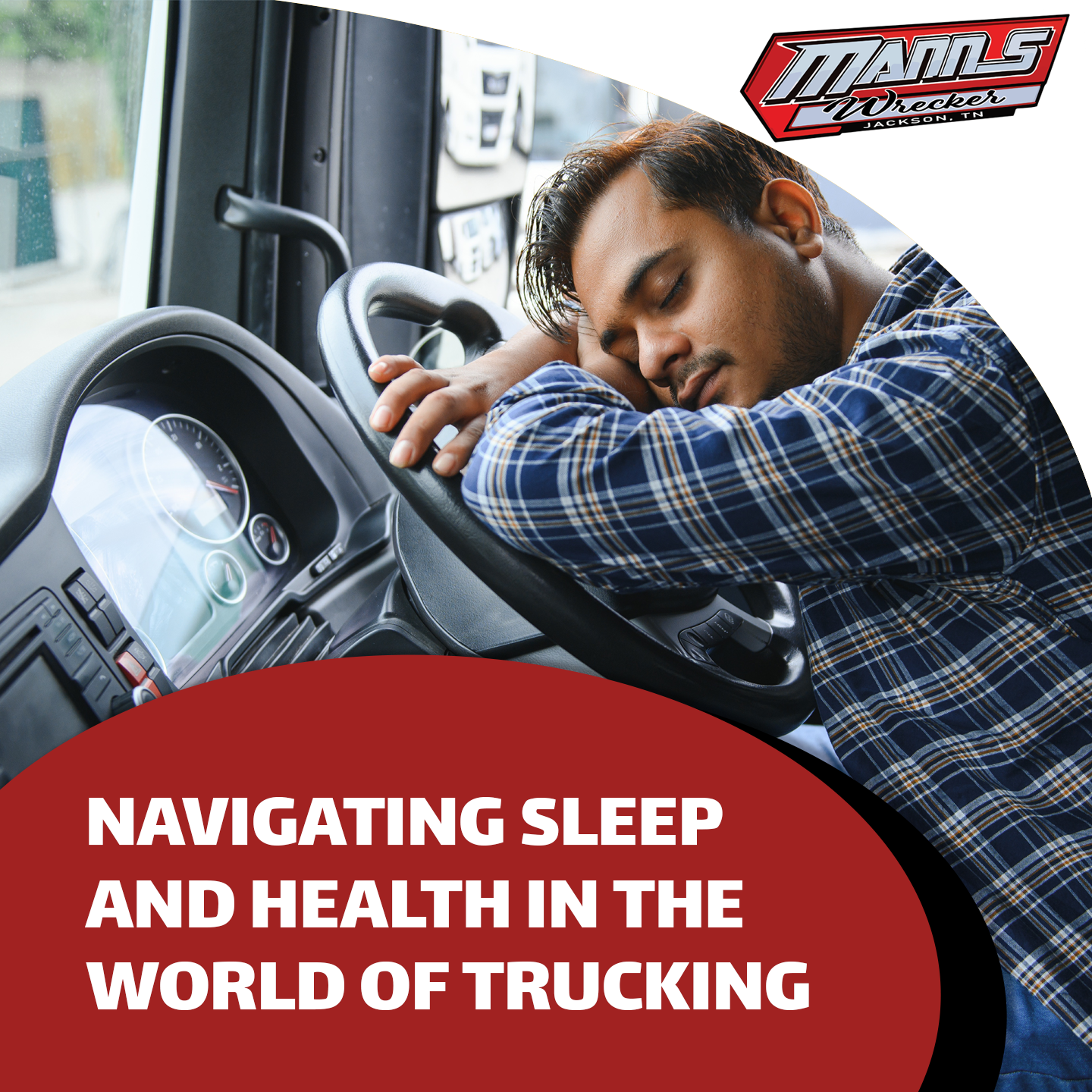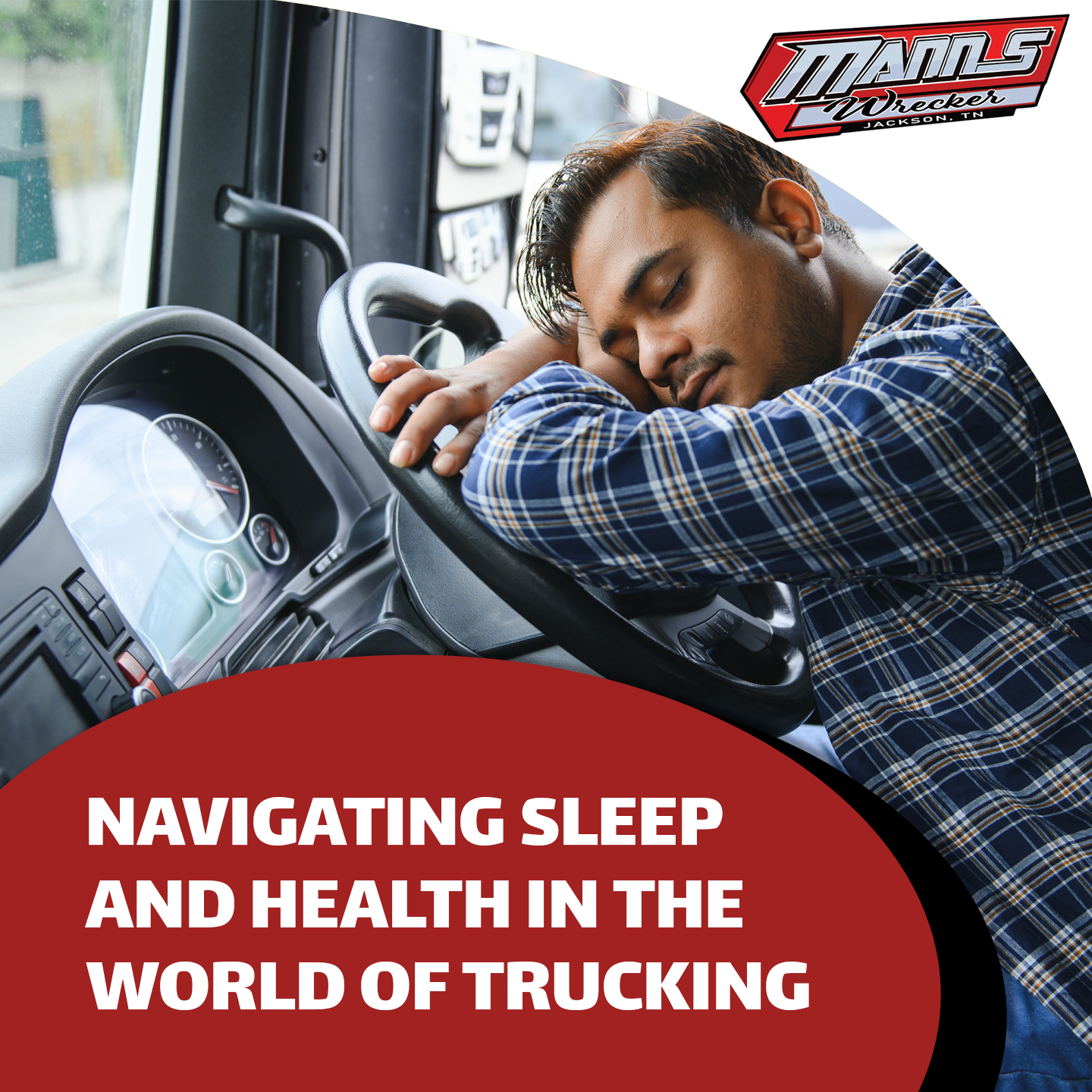
Imagine you are eagerly starting a new journey in the trucking industry, picturing long stretches of open road and the freedom of the highway. However, the truth about trucking, especially when it comes to sleep patterns and mental health, is often different from this idealized image. The unique requirements of trucking, such as irregular sleep schedules and long periods of isolation, can be quite demanding and challenging to cope with.
A Very Misunderstood Aspect of Trucking: Sleep
Many people might assume that truck drivers have enough time to get a good night's sleep during their 10-hour breaks. However, these breaks are also used for other essential tasks like eating, showering, and doing laundry. As a result, the actual amount of time left for sleep can be much less than expected.
For example, a truck driver may have only a few hours left for rest after finishing their daily tasks before they have to drive again. This unpredictable schedule can make it difficult to get the consistent, restful sleep that is essential for good health.
The Impact on Mental Health
Trucking lifestyle can worsen mental health issues like depression, due to sleep pattern disruptions, isolation, and delivery stress.
Before You Dive In
It is important for individuals who are interested in pursuing a career in trucking to be aware of certain realities. Apart from the romanticized idea of driving on the open road, it is crucial to understand the job's actual requirements. This knowledge can help you avoid not only a significant financial investment but also protect your mental and physical health.
Adjusting Expectations and Practices
Trucking demands flexibility, not only in terms of schedules but also in adapting to the lifestyle it requires. It's crucial to find pockets of time for rest, whether it's taking a nap during a break or catching up on sleep while waiting for a load. The key is to listen to your body and seize those moments of rest whenever possible.
The Variability Within Trucking
It's important to know that different types of freight and routes can have varying levels of predictability in terms of schedules. For example, dry van hauls may offer more consistent hours compared to refrigerated loads, which often require deliveries at all times of the day or night. Knowing these details can help you make a more informed decision about which path to take in the trucking industry that will align best with your personal needs and health considerations.
Prioritizing Health and Safety
The most crucial element of trucking is safety. It is essential to prioritize your safety as well as others on the road. If you are having trouble adjusting to the unpredictable sleep schedules, it is crucial to communicate with your dispatcher. You can also consider exploring different types of routes that can provide more stability.
Trucking Isn't One-Size-Fits-All
The experience of being a trucker is unique for every person, and it depends on different factors such as the type of freight and personal resilience. While some people enjoy working in this dynamic environment, others may find the challenges too difficult to handle. It's crucial to evaluate not only your physical ability to handle the demands of the job but also the impact it may have on your mental health.
If Something Goes Wrong, Mann's Wrecker Services Are Here To Help!
Trucking is a profession that can offer a great sense of freedom and adventure. However, it also comes with its own set of challenges, especially when it comes to getting enough rest and maintaining good mental health. It is crucial to be aware of the realities of this lifestyle and prioritize your well-being above everything else. With Mann's Wrecker, it is essential to take care of not only your vehicle but also your health to ensure a long and satisfying career on the road.