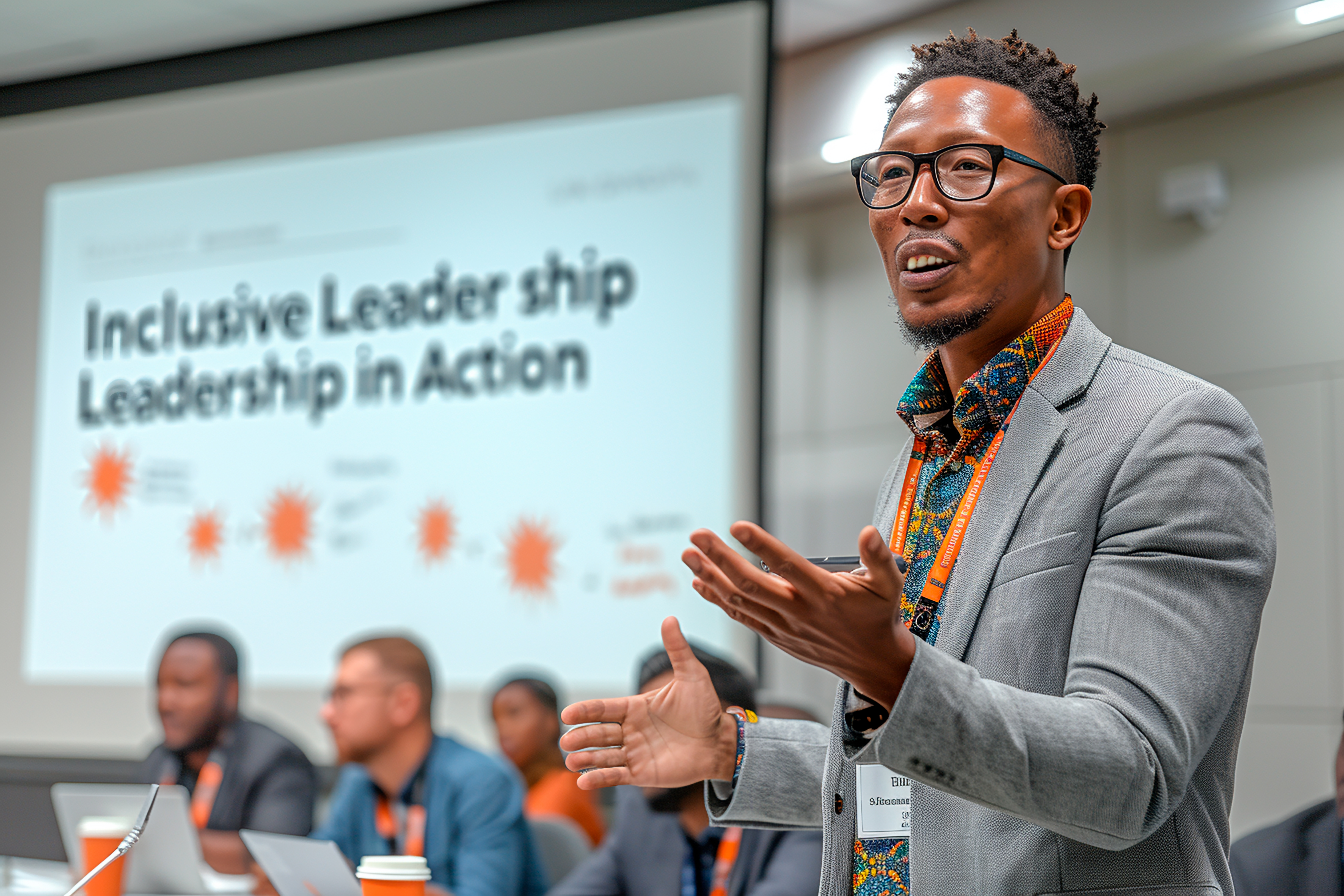
Nonprofit organizations require effective leadership to maximize impact and manage limited resources. Business coaching focuses on building skills such as strategic planning, fundraising, and team motivation.
Training helps nonprofit leaders develop clarity in their mission while enhancing organizational efficiency. This support enables nonprofits to serve their communities better and achieve goals.
Building Visionary Leadership
Nonprofit leaders must strike a balance between immediate needs and long-term goals. Business coaching helps develop visionary leadership by refining the ability to set clear, compelling missions and strategies.
Coaches work with leaders to communicate their vision persuasively to stakeholders, staff, and donors. This clarity drives alignment within the organization, ensuring every action supports the broader purpose.
Enhancing Decision-Making Skills
Nonprofit leaders often face tough decisions that affect communities and resources. Leadership training enhances critical thinking and problem-solving skills, enabling leaders to make informed, ethical decisions.
Coaches guide leaders in carefully weighing options, assessing risks, and prioritizing initiatives that maximize impact without overextending the organization.
Strengthening Team Management and Collaboration
Successful nonprofits depend on motivated teams and effective collaboration. Business coaching trains leaders in building strong teams by fostering clear communication, resolving conflicts, and delegating tasks effectively.
Leaders learn how to cultivate a positive culture that values diversity, encourages participation, and fosters accountability. These skills boost morale and improve overall organizational performance.
Improving Fundraising and Stakeholder Engagement
Leadership training equips nonprofit leaders to engage donors, volunteers, and community partners more effectively. Coaches help leaders develop persuasive communication and relationship-building skills essential for fundraising and advocacy.
By strengthening these connections, nonprofits enhance their financial stability and community support, which are essential for sustained success.
Developing Emotional Intelligence
Leading a nonprofit requires empathy and emotional resilience. Business coaching emphasizes emotional intelligence, helping leaders understand their own emotions and those of others. This awareness improves communication, fosters trust, and enhances leadership effectiveness in high-pressure situations common in the nonprofit sector.
Fostering Strategic Planning and Accountability
Leadership training includes building skills in strategic planning and performance measurement. Coaches support leaders in setting achievable goals, tracking progress, and holding teams accountable for their performance. This disciplined approach ensures that resources are used efficiently and outcomes align with the organization’s mission.
Promoting Ethical Leadership
Ethics are foundational in nonprofit leadership. Business coaching reinforces the importance of integrity, transparency, and fairness. Leaders learn to model ethical behavior, creating a culture of trust that resonates with donors, beneficiaries, and staff alike.
Strong leadership in nonprofits fosters collaboration among staff, volunteers, and stakeholders. Coaching programs equip leaders to overcome common challenges such as burnout and resource constraints. With the right training, nonprofits improve decision-making and stakeholder engagement. Ultimately, leadership development strengthens the entire organization’s capacity to create change.
My name is Tauhric Brown, a licensed executive and business coach with a passion for bridging healthcare and social care to improve outcomes and lower costs. With over 28 years of leadership experience across military, private, and nonprofit sectors, I help organizations build trust, think creatively, and lead more effectively. I’m the founder of Brown, Roberts & Associates, LLC and bring tested strategies from Brian Tracy’s Focal Point system to empower leaders. My work is driven by a deep commitment to social impact, supported by board service and national advocacy roles focused on aging, mental health, and equitable community care.