 Knowing what is required to make a sign compliant with the Americans with Disabilities Act (ADA) can help to ensure you are creating safety signs which follow all the regulations established by this important law.
ADA requirements differ depending on your project's size and location, so it is important to consider the specific requirements of your project when purchasing a custom sign. A professional sign company can help you with these detailed regulations and create a sign which complies with all the requirements for your location.
What is the ADA?
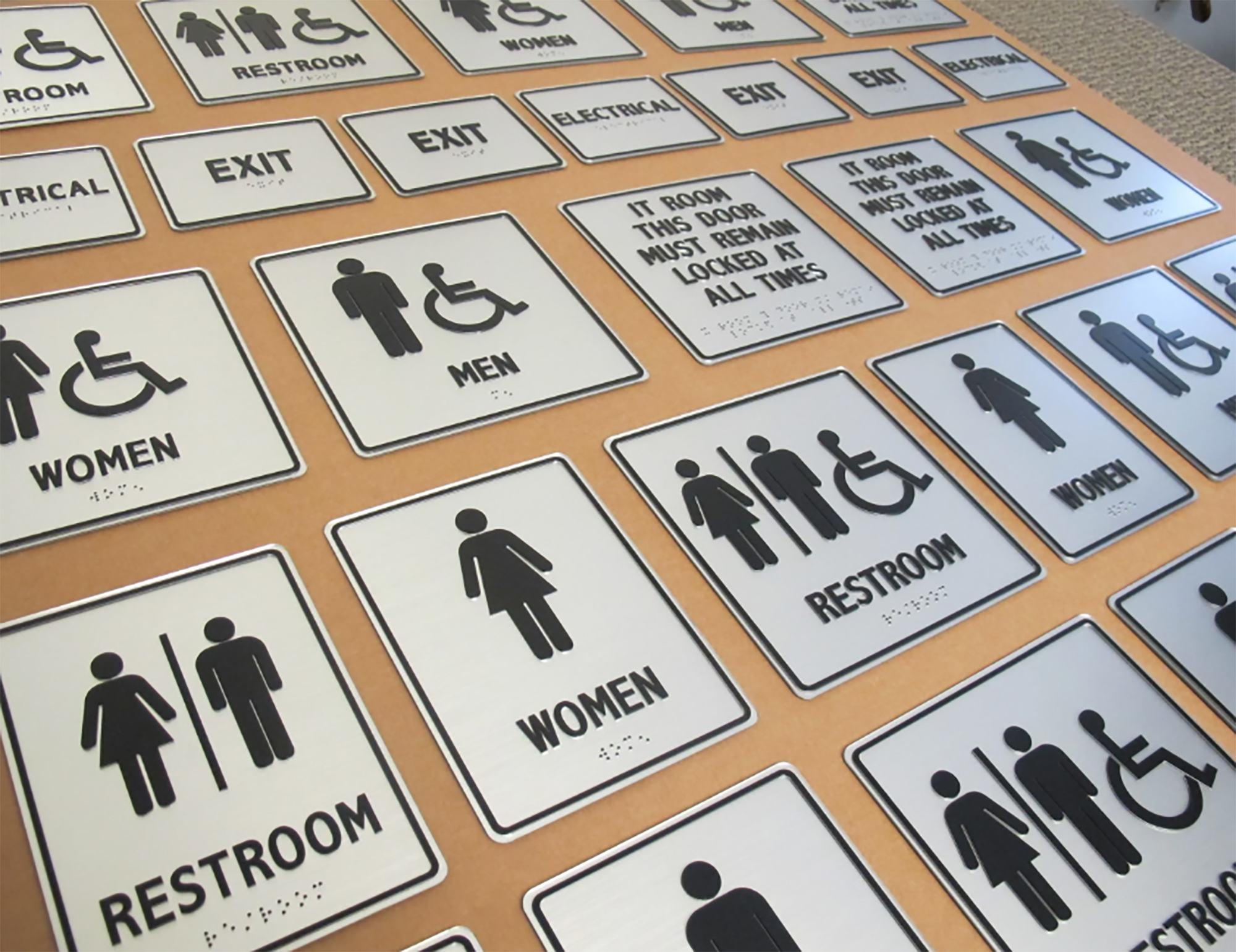
The ADA, or the Americans with Disabilities Act, is a civil rights law prohibiting discrimination against people with disabilities. This includes requiring businesses to provide reasonable accommodations, such as wheelchair ramps and accessible parking spaces, and clear signs for visually impaired or hearing impaired people. The ADA also states all signs should be in both Braille and English text.
Types of ADA Signs
While there are many variations of ADA signs, there are four types which are the most important:
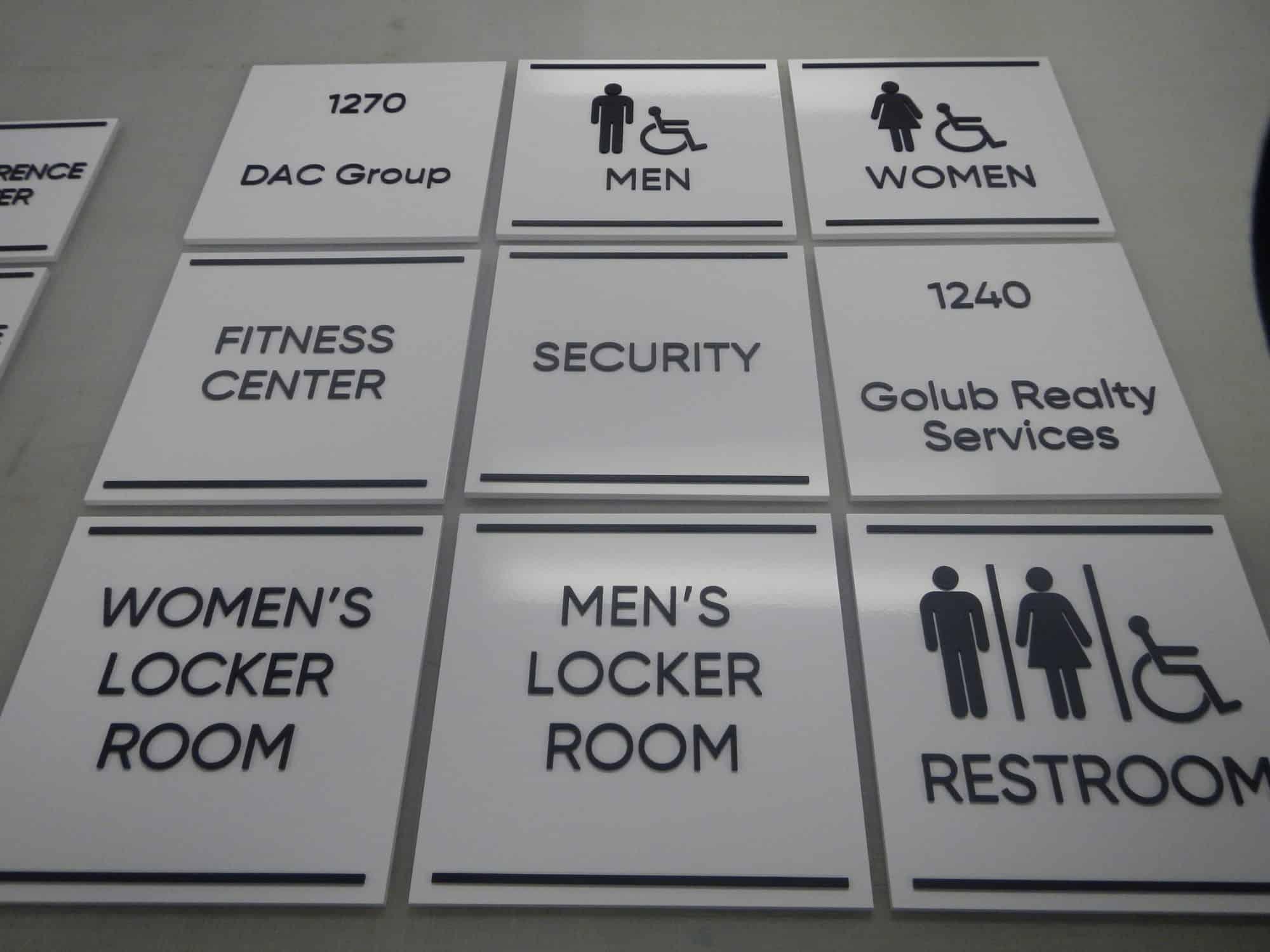
Identification signs indicate the name of a room, building, or facility.
Directional signs provide easy navigation throughout a facility or to exits.
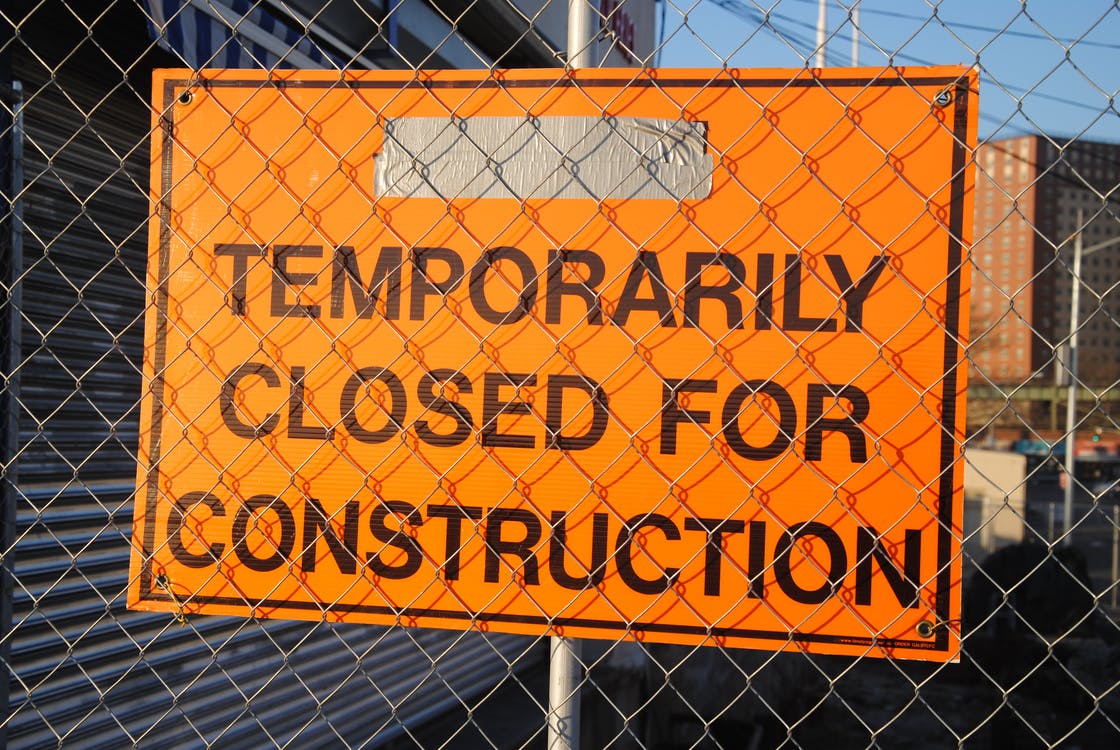
Warning signs inform people of potential hazards or caution people about possible risks.
Regulatory signs are designed to inform people about regulations and laws related to the facility.
ADA Sign Requirements
Knowing what is required to make a sign compliant with the Americans with Disabilities Act (ADA) can help to ensure you are creating safety signs which follow all the regulations established by this important law.
ADA requirements differ depending on your project's size and location, so it is important to consider the specific requirements of your project when purchasing a custom sign. A professional sign company can help you with these detailed regulations and create a sign which complies with all the requirements for your location.
What is the ADA?
The ADA, or the Americans with Disabilities Act, is a civil rights law prohibiting discrimination against people with disabilities. This includes requiring businesses to provide reasonable accommodations, such as wheelchair ramps and accessible parking spaces, and clear signs for visually impaired or hearing impaired people. The ADA also states all signs should be in both Braille and English text.
Types of ADA Signs
While there are many variations of ADA signs, there are four types which are the most important:
Identification signs indicate the name of a room, building, or facility.
Directional signs provide easy navigation throughout a facility or to exits.
Warning signs inform people of potential hazards or caution people about possible risks.
Regulatory signs are designed to inform people about regulations and laws related to the facility.
ADA Sign Requirements
- All signs must have raised characters with Grade 2 Braille.
- Signs less than 12 inches in height or width must use simplified Braille.
- Signs with multiple braille lines must be separated by at least ½ an inch of space.
- All signs must have a minimum contrast ratio of 70%.
- Tactile letters, numbers, and symbols must have a height of at least 5/8 inches.
- Signs with text should use uppercase letters, which are sans-serif or simple serif fonts.
- Signs larger than 6 inches must use Grade 2 Braille and a minimum of 6 dots per character, with a maximum of 8 dots per character.
- Characters should always be located 1/32 inch from any other tactile characters.
- The sign's border must be at least 1/8 inch thick and have a minimum contrast ratio of 70%.