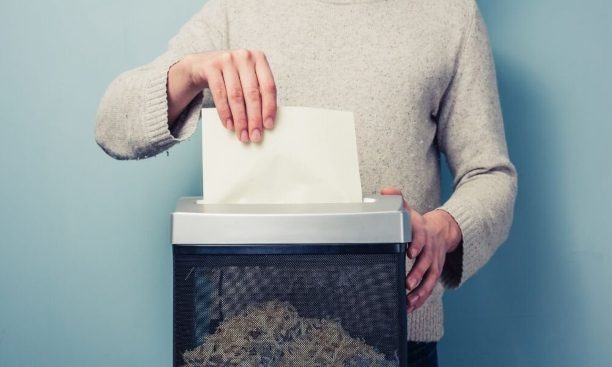
 Payroll stubs, bank statements, and contracts are not the only papers that should be shredded. Unfortunately, many forget that invoices and receipts can hold information useful to identity thieves.
Why Should I Shred Invoices and Receipts?
Sensitive information like your name, address, phone number, payment details, and purchase history are found on invoices and receipts. If this information falls into the wrong hands, it could be used for identity theft, credit card fraud, or other forms of financial exploitation. This includes opening new accounts, making unauthorized purchases, impersonating you, and committing crimes. These actions could not only ruin your credit score, but you could also be prosecuted for the wrongdoings of the thieves. Even if the last four numbers of your debit or credit card are the only account info on the receipt, fraudsters can use this in many ways.How are the Last Four Numbers of My Debit or Credit Card used by Thieves?
These four numbers, also called partial card numbers, as used to help identify a certain card. Using only these four numbers is much safer than the complete 16-number string. It may not seem like a big deal to many people, but these numbers can do serious damage in the wrong hands. Here are a few ways:- Phone Scams: Scammers can use the last four digits of your card to impersonate you over the phone and trick customer service representatives. This often leads to them revealing sensitive information or making unauthorized transactions.
- Phishing Scams: Thieves use them in phishing emails or text messages to convince you to reveal your full card number, security code, or other information.
- Card Skimming: Card skimming is a type of credit card fraud where a device is placed on a card reader to steal your card information. If a criminal obtains the last four digits of your card, they may be able to use that information in combination with other stolen data to make fraudulent purchases.