 Document shredding is an afterthought for some people. People rip up old bank statements and payroll stubs before recycling or disposing of them, thinking this is enough to prevent people from accessing the information. Unfortunately, this could not be farther from the truth. If these sensitive papers are not shredded, there is always a risk of compromising your data. This is why our experts at Jessica's Shredding Team want to help keep you safe.
Why is Document Shredding Better than Ripping Up Old Documents?
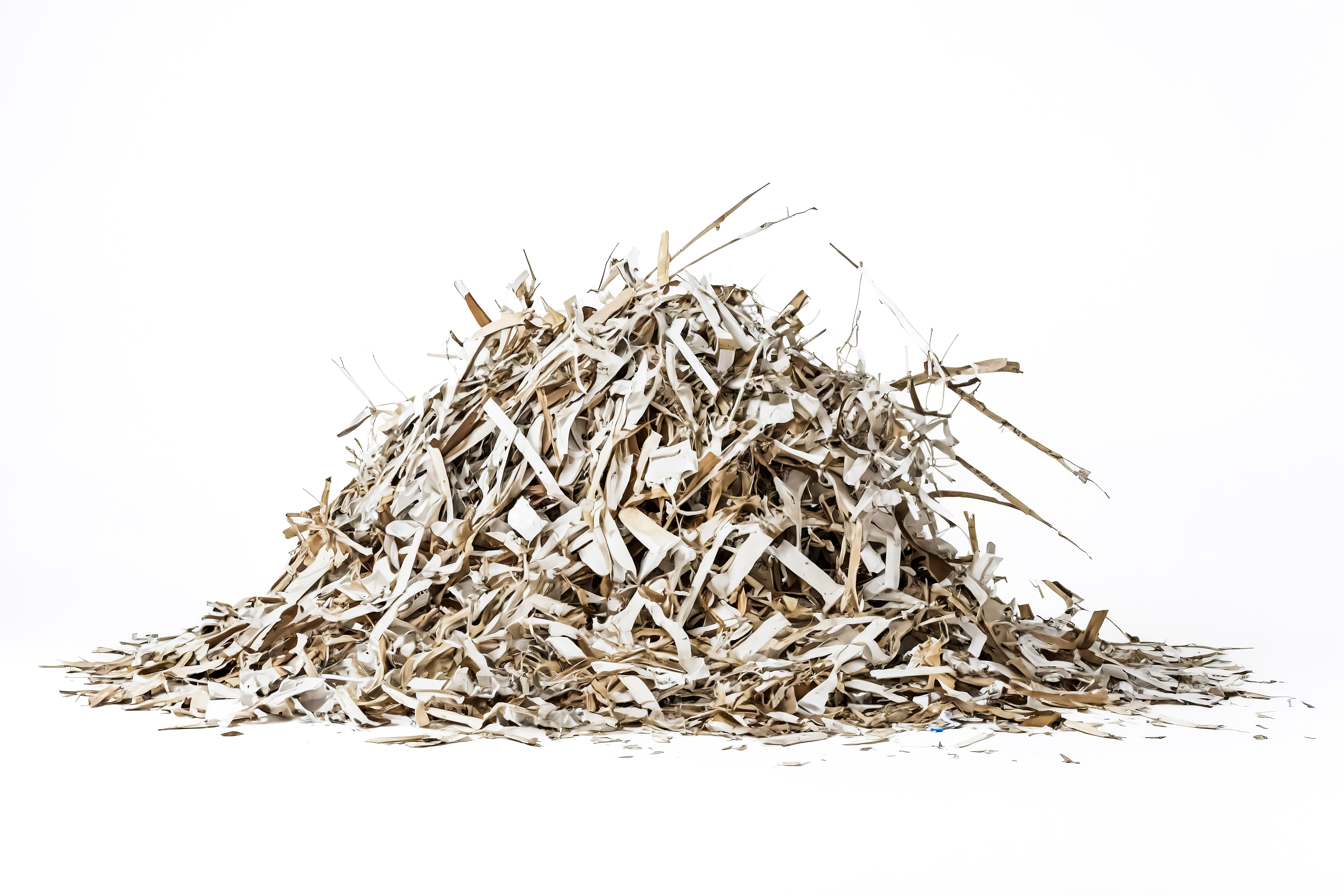
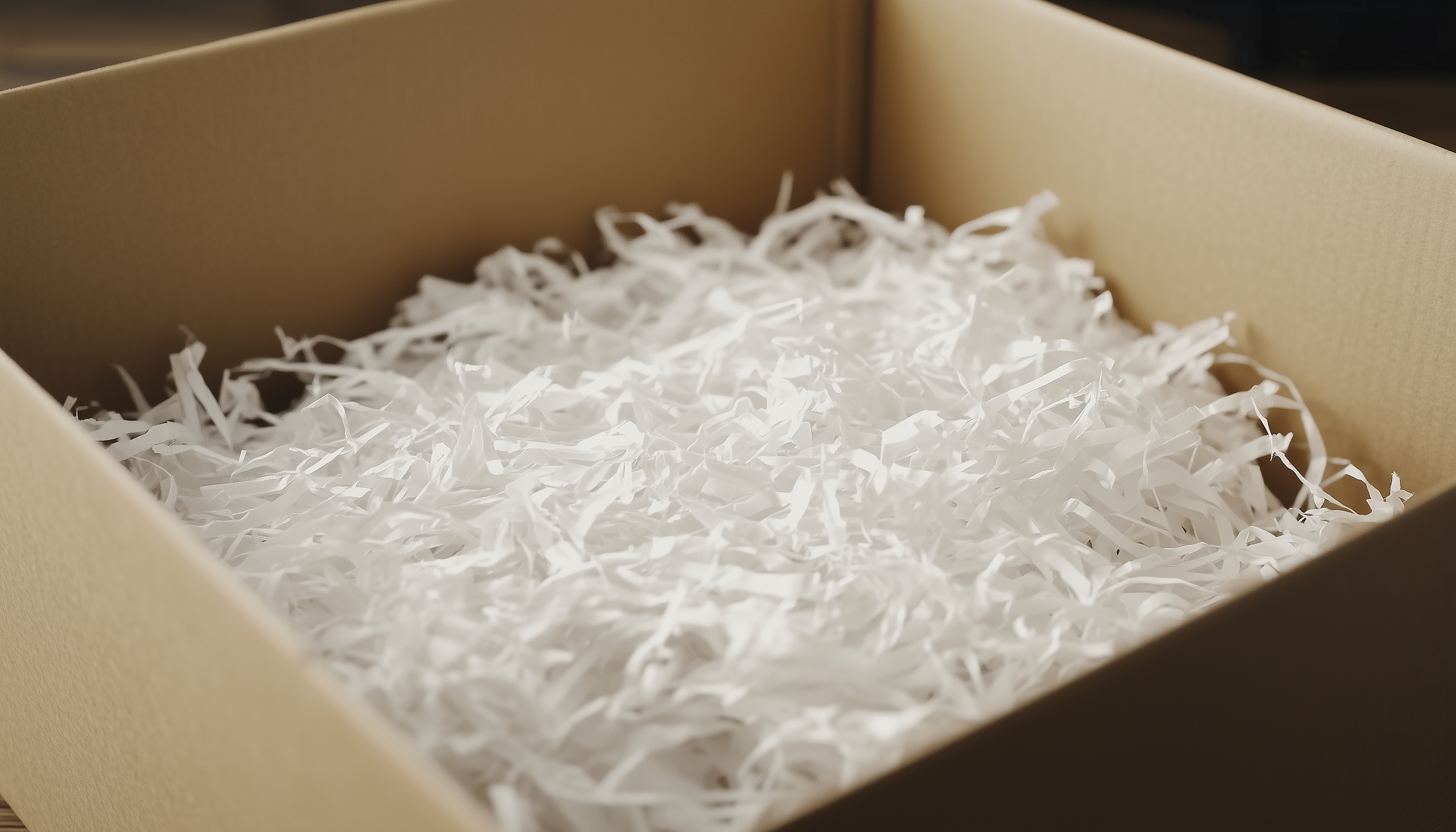
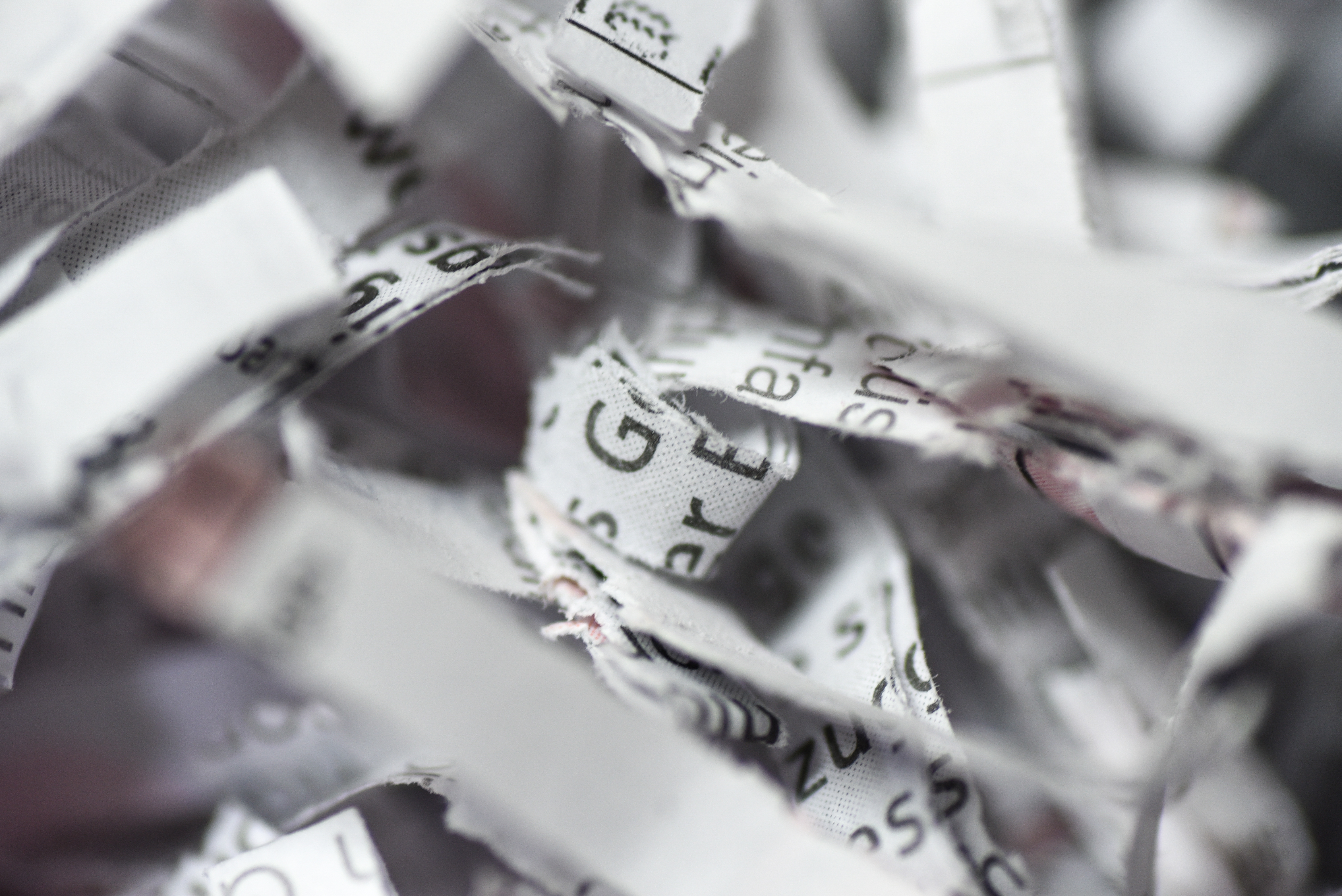
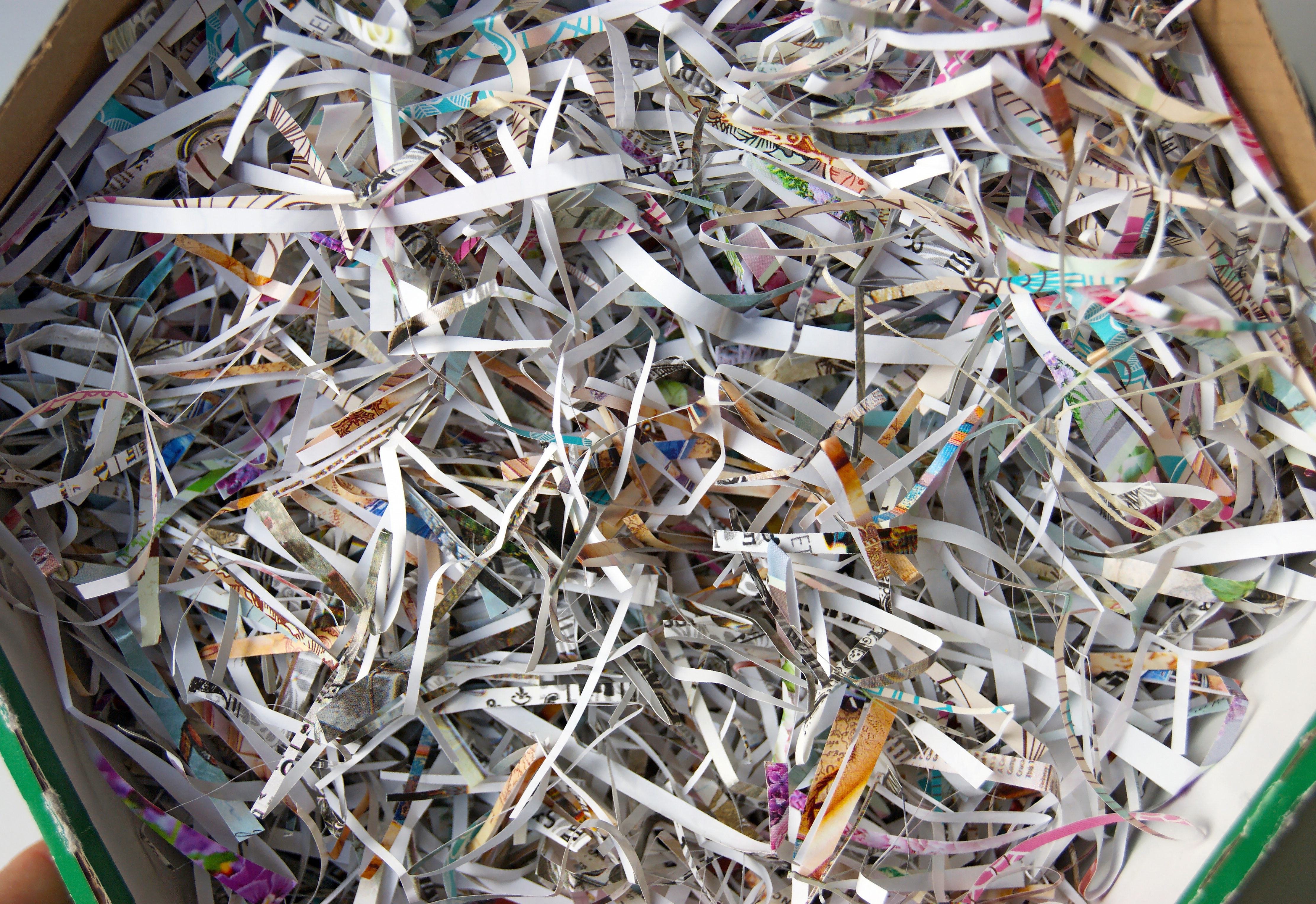
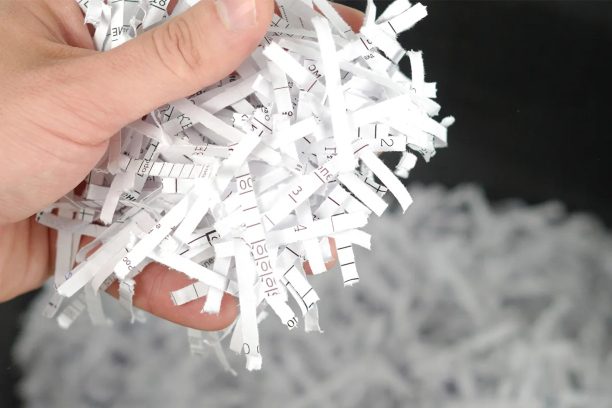
Shredding breaks down papers into small, unreadable pieces. This ensures that none of the information is obtainable by identity thieves or other unwanted parties. On the contrary, tearing up the documents separates them into larger pieces that may still have sensitive information that could be reconstructed. Another reason shredding is better is that it is more efficient. Ripping up papers takes time and effort, while shredding is a one-and-done event.What Papers and Documents Should Always be Shredded?
Any document with your name, birthday, social security number, bank account numbers or other financial information, medical information, signatures, passwords, personal identification numbers (PINs), and confidential business documents should always be shredded. This includes but is not limited to the following:- Bank statements and canceled checks
- Credit card statements and receipts
- Medical bills and records
- Tax returns and supporting documents
- Pay stubs and employment information
- Old ID cards and passports
- Utility bills and phone bills
- Insurance policies and claim forms
- Investment and retirement account statements
- Confidential business documents and contracts