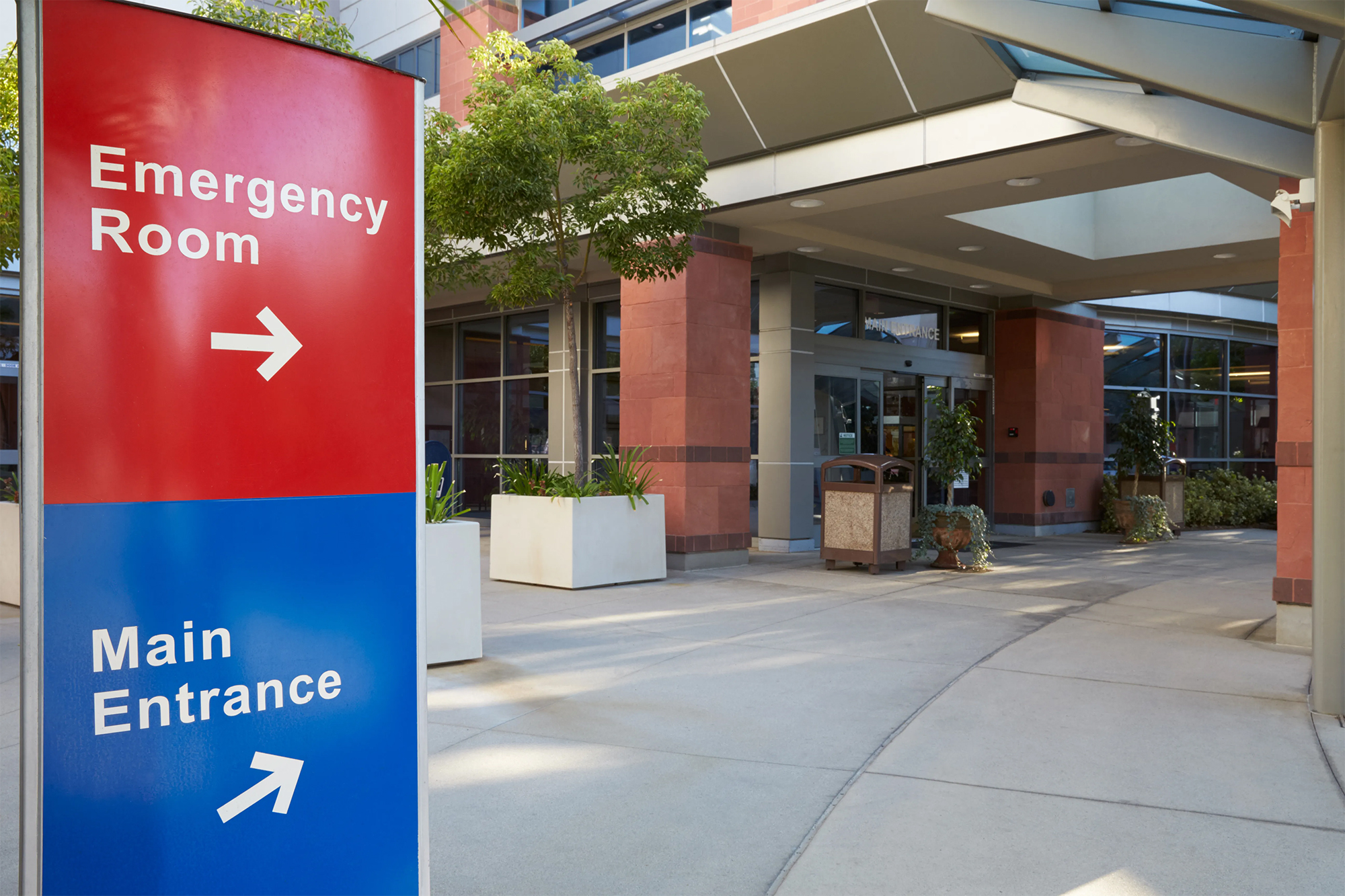
 Why Wayfinding Signs Are Essential for Hospitals
At Georgetown Sign Company, we understand that hospitals are busy, often stressful environments where clear communication can make a world of difference. Wayfinding signs are a crucial part of creating a smooth and reassuring experience for patients, visitors, and staff alike. In a large facility like a hospital, every second counts—and helping people find their destination quickly can reduce anxiety, improve operational flow, and even enhance patient outcomes.
Hospitals in Cedar Park, TX trust us to design custom wayfinding systems that are functional, ADA-compliant, and aligned with each facility’s branding and architecture.
Here’s a closer look at the major benefits wayfinding signage provides for hospitals.
Enhancing the Patient and Visitor Experience
Hospitals can feel overwhelming to patients and their families, especially during stressful or emotional moments. Clear, strategically placed wayfinding signs help minimize confusion by directing visitors efficiently to:
- Main entrances
- Emergency rooms
- Registration desks
- Specific departments or specialties (e.g., radiology, cardiology)
- Waiting areas
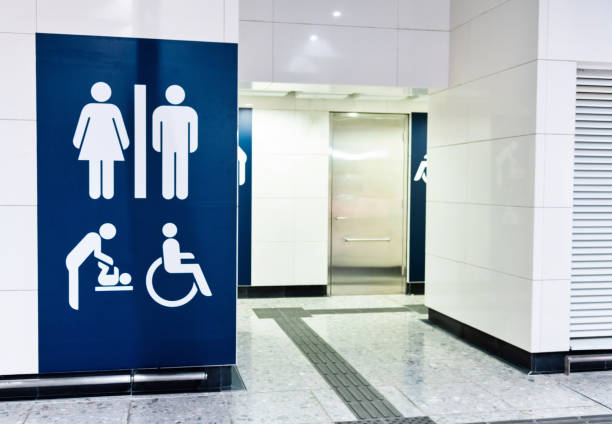
- Restrooms and cafeterias
- Parking areas
By making navigation simple and intuitive, hospitals can improve the overall experience and reduce the stress that often accompanies medical visits.
Improving Efficiency for Hospital Staff
Wayfinding signs don’t just benefit patients and visitors—they also make daily operations easier for hospital employees. Staff members waste less time giving directions or escorting lost visitors, allowing them to focus more on providing medical care and administrative support.
Effective signage also helps streamline the movement of patients between departments, ensuring smoother transitions for tests, treatments, and consultations.
Supporting Emergency Situations
In emergencies, every moment matters. Well-designed, easy-to-read directional signs guide patients, visitors, and first responders quickly to critical areas such as emergency rooms, exits, and evacuation routes.
At Georgetown Sign Company, we ensure hospital wayfinding signage is clear, concise, and visible even in low-light conditions, helping your facility stay prepared for any situation.
Ensuring ADA Compliance
Hospitals are legally required to provide accessible environments for all individuals, including those with disabilities. Our wayfinding signs meet Americans with Disabilities Act (ADA) guidelines, incorporating features such as:
- Braille and tactile lettering
- High-contrast color schemes
- Proper height and mounting requirements
- Clear, easy-to-read fonts
ADA-compliant signage not only helps you meet legal obligations but also demonstrates your hospital’s commitment to accessibility and inclusivity.
Reinforcing Branding and Professionalism
Wayfinding signs aren’t just functional—they’re an important part of your hospital’s visual identity. Consistent colors, fonts, logos, and design elements create a cohesive brand experience that reassures visitors and instills confidence.
At Georgetown Sign Company, we design custom wayfinding solutions that complement your hospital’s branding while maintaining maximum readability and functionality.
Types of Wayfinding Signs for Hospitals
Some of the most common types of hospital wayfinding signs we create include:
- Overhead directional signs
- Wall-mounted department signs
- Floor decals for quick guidance
- Directory and map boards
- Room identification signs
- Parking and external wayfinding signs
We offer a wide variety of materials, styles, and illumination options to ensure your signage system fits both your environment and your budget.
Let Georgetown Sign Company Help You Create a Safer, More Accessible Hospital
When it comes to hospitals, there is no room for confusion. Wayfinding signs are a vital tool in creating a safe, efficient, and welcoming environment for everyone who enters your facility.
Contact Georgetown Sign Company today to discuss your Cedar Park hospital’s wayfinding needs and discover how custom signage will improve navigation, safety, and patient satisfaction.