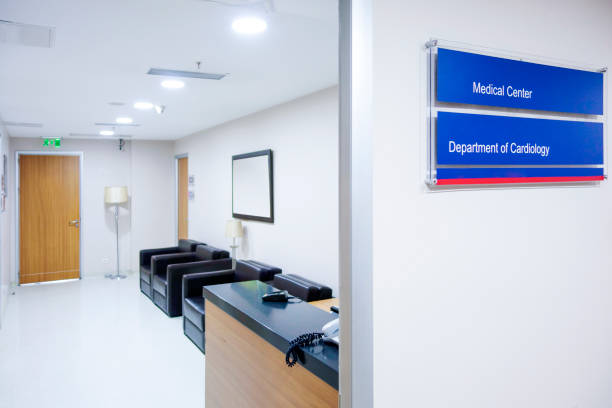
 Hospitals don’t just need signs—they need signs that work when it matters most. When a visitor rushes in looking for a loved one. When a nurse needs to get to the right department fast. When an evacuation happens and the exit isn’t immediately clear. ADA signage isn’t just about compliance. It’s about keeping hospitals functional in high-stakes moments. One missing or misplaced sign can disrupt everything.
Hospitals don’t have the luxury of trial and error. Every sign must meet strict federal requirements while guiding people clearly and efficiently. ADA compliance isn’t just about ticking boxes. It’s about ensuring that every person—patients, visitors, and staff—can navigate the hospital without frustration, confusion, or wasted time.
Most ADA Hospital Signs Fail in Placement, Readability, or Visibility
A sign might meet legal standards but fail where it matters most—helping people find their way. Room identification signs are useless if placed too high. Wayfinding signs mean nothing if they’re hidden behind furniture. Emergency exit signs that blend into the walls might as well not exist.
A misplaced ADA sign in a shopping mall is an inconvenience. In a hospital, it creates delays, stress, and potential safety risks. People don’t come to hospitals because they want to. They come because they need to. The last thing they should deal with is poor signage that makes their visit harder than it has to be.
ADA Room Signs Must Do More Than Check a Box
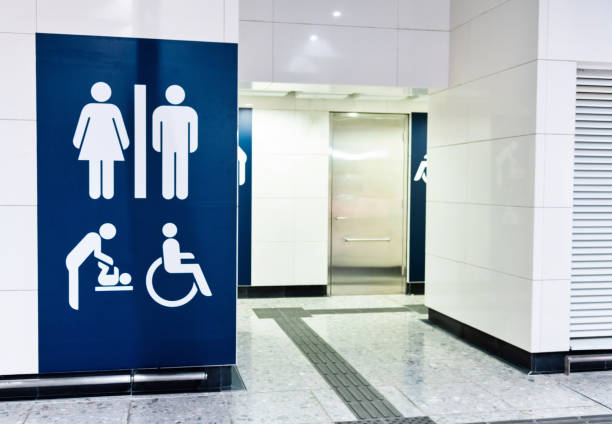
A hospital room is not a hotel room. Patients, doctors, and nurses need immediate recognition of where they are and where they need to be. An ADA-compliant room sign must include tactile text, Braille, and proper color contrast so it’s readable in any condition.
Hospitals cannot afford faded letters, low-contrast colors, or confusing layouts. Patient rooms, emergency areas, restricted zones—every single one needs permanent, durable signage that stands up to constant use. If a sign wears down, loses contrast, or becomes difficult to read, it fails the people who rely on it most.
Wayfinding Signs Should Eliminate Confusion, Not Create It
Hospitals are massive. Multiple floors, endless hallways, countless departments—all connected by doors that look exactly the same. Visitors, already anxious about a medical procedure or a loved one’s condition, don’t have time to decode confusing signs. They need clear, easy-to-follow directions the moment they step inside.
Wayfinding signs must be visible from a distance, placed exactly where people expect them, and designed for quick reading. A visitor looking for the maternity ward should not end up in a restricted surgical wing because of poor placement, vague wording, or low-contrast lettering. Every sign should be an instant guide, not a puzzle.
Emergency Exit Signs Are Useless If No One Can Find Them
In an emergency, every second counts. People don’t have time to scan walls, squint at small letters, or search for an exit. ADA-compliant emergency signs must be impossible to miss, even in dim lighting or smoke-filled hallways.
Hospitals that cut corners on emergency signage create risks no one should take. A fire breaks out, and the exit signs don’t stand out. A power outage hits, and the signs aren’t visible in the dark. A visitor needs a stairwell during an evacuation, but the sign pointing the way is blocked by medical equipment. These aren’t hypotheticals. They’re avoidable disasters.
Georgetown Sign Company Gets ADA Signs Right the First Time
Mistakes in ADA signage don’t just cause daily frustration. They lead to compliance failures, last-minute replacements, and expensive fixes that should never have been necessary.
Hospitals in Georgetown, TX, need custom, precise, high-visibility ADA signs that work for real-world conditions. That’s exactly what Georgetown Sign Company delivers. We design and install hospital-grade signage that meets every legal requirement while ensuring clarity, accessibility, and durability.
A misplaced sign costs time. A poorly designed sign causes confusion. A missing sign creates risk. None of these should happen inside a hospital.
An ADA sign isn’t just a legal requirement. It’s a lifeline in a crisis, a guide in a stressful moment, and a simple way to make every visit smoother. If your signage isn’t doing its job, it’s failing the people who rely on it most.
Hospitals don’t just need signs—they need signs that work when it matters most. When a visitor rushes in looking for a loved one. When a nurse needs to get to the right department fast. When an evacuation happens and the exit isn’t immediately clear. ADA signage isn’t just about compliance. It’s about keeping hospitals functional in high-stakes moments. One missing or misplaced sign can disrupt everything.
Hospitals don’t have the luxury of trial and error. Every sign must meet strict federal requirements while guiding people clearly and efficiently. ADA compliance isn’t just about ticking boxes. It’s about ensuring that every person—patients, visitors, and staff—can navigate the hospital without frustration, confusion, or wasted time.
Most ADA Hospital Signs Fail in Placement, Readability, or Visibility
A sign might meet legal standards but fail where it matters most—helping people find their way. Room identification signs are useless if placed too high. Wayfinding signs mean nothing if they’re hidden behind furniture. Emergency exit signs that blend into the walls might as well not exist.
A misplaced ADA sign in a shopping mall is an inconvenience. In a hospital, it creates delays, stress, and potential safety risks. People don’t come to hospitals because they want to. They come because they need to. The last thing they should deal with is poor signage that makes their visit harder than it has to be.
ADA Room Signs Must Do More Than Check a Box
A hospital room is not a hotel room. Patients, doctors, and nurses need immediate recognition of where they are and where they need to be. An ADA-compliant room sign must include tactile text, Braille, and proper color contrast so it’s readable in any condition.
Hospitals cannot afford faded letters, low-contrast colors, or confusing layouts. Patient rooms, emergency areas, restricted zones—every single one needs permanent, durable signage that stands up to constant use. If a sign wears down, loses contrast, or becomes difficult to read, it fails the people who rely on it most.
Wayfinding Signs Should Eliminate Confusion, Not Create It
Hospitals are massive. Multiple floors, endless hallways, countless departments—all connected by doors that look exactly the same. Visitors, already anxious about a medical procedure or a loved one’s condition, don’t have time to decode confusing signs. They need clear, easy-to-follow directions the moment they step inside.
Wayfinding signs must be visible from a distance, placed exactly where people expect them, and designed for quick reading. A visitor looking for the maternity ward should not end up in a restricted surgical wing because of poor placement, vague wording, or low-contrast lettering. Every sign should be an instant guide, not a puzzle.
Emergency Exit Signs Are Useless If No One Can Find Them
In an emergency, every second counts. People don’t have time to scan walls, squint at small letters, or search for an exit. ADA-compliant emergency signs must be impossible to miss, even in dim lighting or smoke-filled hallways.
Hospitals that cut corners on emergency signage create risks no one should take. A fire breaks out, and the exit signs don’t stand out. A power outage hits, and the signs aren’t visible in the dark. A visitor needs a stairwell during an evacuation, but the sign pointing the way is blocked by medical equipment. These aren’t hypotheticals. They’re avoidable disasters.
Georgetown Sign Company Gets ADA Signs Right the First Time
Mistakes in ADA signage don’t just cause daily frustration. They lead to compliance failures, last-minute replacements, and expensive fixes that should never have been necessary.
Hospitals in Georgetown, TX, need custom, precise, high-visibility ADA signs that work for real-world conditions. That’s exactly what Georgetown Sign Company delivers. We design and install hospital-grade signage that meets every legal requirement while ensuring clarity, accessibility, and durability.
A misplaced sign costs time. A poorly designed sign causes confusion. A missing sign creates risk. None of these should happen inside a hospital.
An ADA sign isn’t just a legal requirement. It’s a lifeline in a crisis, a guide in a stressful moment, and a simple way to make every visit smoother. If your signage isn’t doing its job, it’s failing the people who rely on it most.
Georgetown, TX - Searching for a Custom ADA Sign Company for Your Local Hospital
SYNOPSIS: Georgetown Sign Company provides custom ADA signs for hospitals in Georgetown, TX, ensuring every patient, visitor, and staff member finds their way without any confusion.
Hospital ADA Signs Done Wrong Create Daily Chaos
BY: MIKE VOLLING, GEORGETOWN SIGN COMPANY
Hospitals don’t just need signs—they need signs that work when it matters most. When a visitor rushes in looking for a loved one. When a nurse needs to get to the right department fast. When an evacuation happens and the exit isn’t immediately clear. ADA signage isn’t just about compliance. It’s about keeping hospitals functional in high-stakes moments. One missing or misplaced sign can disrupt everything.
Hospitals don’t have the luxury of trial and error. Every sign must meet strict federal requirements while guiding people clearly and efficiently. ADA compliance isn’t just about ticking boxes. It’s about ensuring that every person—patients, visitors, and staff—can navigate the hospital without frustration, confusion, or wasted time.
Most ADA Hospital Signs Fail in Placement, Readability, or Visibility
A sign might meet legal standards but fail where it matters most—helping people find their way. Room identification signs are useless if placed too high. Wayfinding signs mean nothing if they’re hidden behind furniture. Emergency exit signs that blend into the walls might as well not exist.
A misplaced ADA sign in a shopping mall is an inconvenience. In a hospital, it creates delays, stress, and potential safety risks. People don’t come to hospitals because they want to. They come because they need to. The last thing they should deal with is poor signage that makes their visit harder than it has to be.
ADA Room Signs Must Do More Than Check a Box
A hospital room is not a hotel room. Patients, doctors, and nurses need immediate recognition of where they are and where they need to be. An ADA-compliant room sign must include tactile text, Braille, and proper color contrast so it’s readable in any condition.
Hospitals cannot afford faded letters, low-contrast colors, or confusing layouts. Patient rooms, emergency areas, restricted zones—every single one needs permanent, durable signage that stands up to constant use. If a sign wears down, loses contrast, or becomes difficult to read, it fails the people who rely on it most.
Wayfinding Signs Should Eliminate Confusion, Not Create It
Hospitals are massive. Multiple floors, endless hallways, countless departments—all connected by doors that look exactly the same. Visitors, already anxious about a medical procedure or a loved one’s condition, don’t have time to decode confusing signs. They need clear, easy-to-follow directions the moment they step inside.
Wayfinding signs must be visible from a distance, placed exactly where people expect them, and designed for quick reading. A visitor looking for the maternity ward should not end up in a restricted surgical wing because of poor placement, vague wording, or low-contrast lettering. Every sign should be an instant guide, not a puzzle.
Emergency Exit Signs Are Useless If No One Can Find Them
In an emergency, every second counts. People don’t have time to scan walls, squint at small letters, or search for an exit. ADA-compliant emergency signs must be impossible to miss, even in dim lighting or smoke-filled hallways.
Hospitals that cut corners on emergency signage create risks no one should take. A fire breaks out, and the exit signs don’t stand out. A power outage hits, and the signs aren’t visible in the dark. A visitor needs a stairwell during an evacuation, but the sign pointing the way is blocked by medical equipment. These aren’t hypotheticals. They’re avoidable disasters.
Georgetown Sign Company Gets ADA Signs Right the First Time
Mistakes in ADA signage don’t just cause daily frustration. They lead to compliance failures, last-minute replacements, and expensive fixes that should never have been necessary.
Hospitals in Georgetown, TX, need custom, precise, high-visibility ADA signs that work for real-world conditions. That’s exactly what Georgetown Sign Company delivers. We design and install hospital-grade signage that meets every legal requirement while ensuring clarity, accessibility, and durability.
A misplaced sign costs time. A poorly designed sign causes confusion. A missing sign creates risk. None of these should happen inside a hospital.
An ADA sign isn’t just a legal requirement. It’s a lifeline in a crisis, a guide in a stressful moment, and a simple way to make every visit smoother. If your signage isn’t doing its job, it’s failing the people who rely on it most.