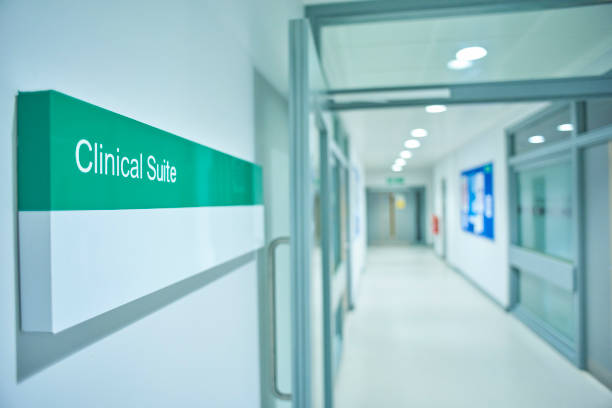
 When most people think of signs, they automatically picture the large outdoor ones which are impossible to miss. However, interior signs are just as important in a healthcare setting.
Guests, patients, and staff need to navigate the facility easily and without confusion.
From waiting room and office signs to wayfinding and directional signs, we have the perfect solution for hospitals, urgent care facilities, clinics, and more.
Popular Types of Interior Signs
When most people think of signs, they automatically picture the large outdoor ones which are impossible to miss. However, interior signs are just as important in a healthcare setting.
Guests, patients, and staff need to navigate the facility easily and without confusion.
From waiting room and office signs to wayfinding and directional signs, we have the perfect solution for hospitals, urgent care facilities, clinics, and more.
Popular Types of Interior Signs
- Directional signs help people know where they are going in a healthcare facility. They work together to create an easy-to-follow wayfinding system. The system includes both primary and secondary routes. Primary routes are the main hallways people use to get from one point to another. Secondary routes are the smaller hallways and rooms which connect the primary routes. Directional signs come in many different shapes and sizes. They can be as simple as an arrow or as complex as a multi-dimensional sign.
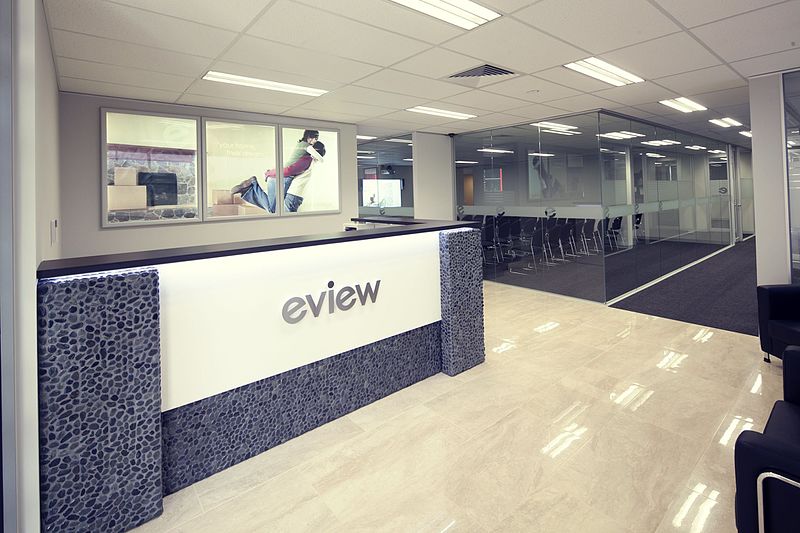
- Waiting room signs help patients and staff know where they need to go. For example, they direct patients to the check-in desk, waiting area, or exam rooms. They can also communicate vital information, such as the facility's policies or the average wait time.
- Office signs are a terrific way to brand a healthcare facility. They identify the business, promote services, and display logos. Office signs come in a range of styles, including desk plates, door signs, and wall signs.
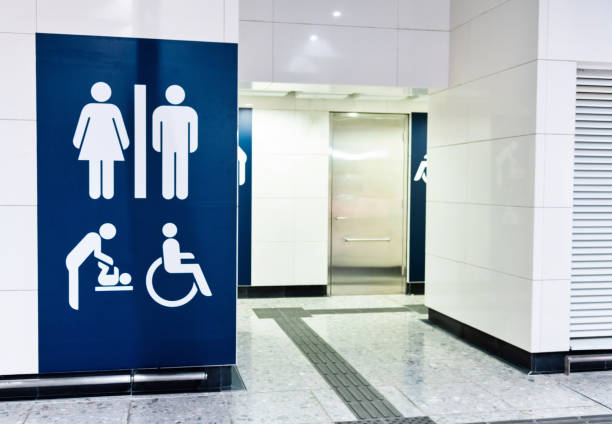
- ADA signs are required in all public places, including healthcare facilities. They help people with disabilities navigate the facility and understand the available services. ADA signs come in many styles, including braille, raised letters, and tactile.
- Restroom signs help people find the nearest restroom. They are also used to identify gender-neutral or family bathrooms.