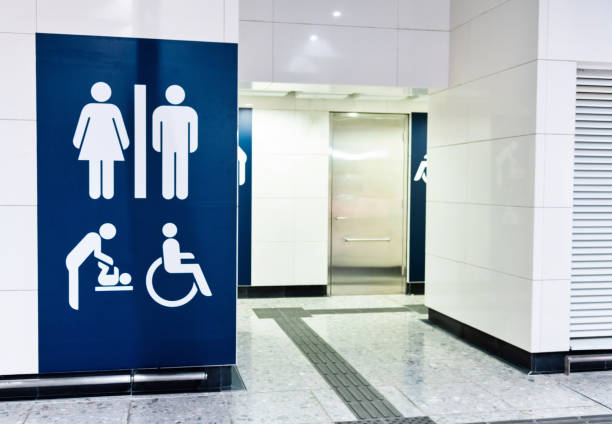
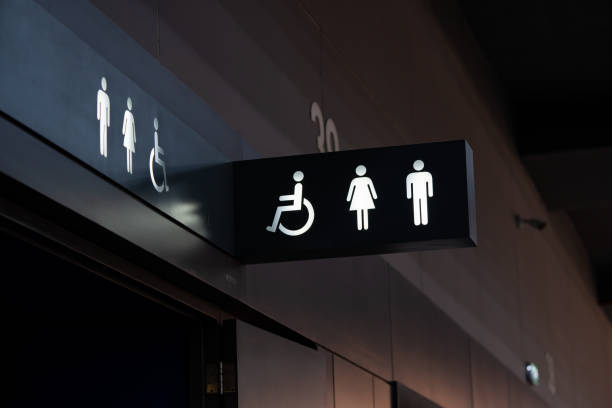
 ADA signs are important for businesses because they ensure all customers can easily find their way around the premises, regardless of any disabilities. Bathroom signs are also crucial, as they help customers locate the nearest toilet quickly and without trouble.
What is the Americans with Disabilities Act?
The Americans with Disabilities Act (ADA) is a civil rights law passed in 1990. The ADA prohibits discrimination against people with disabilities in all areas of public life, including jobs, schools, transportation, and all places open to the public.
The ADA also requires businesses to make sure people with disabilities have the same opportunities as everyone else to participate in the economy. This includes making certain businesses provide accessible products, services, and facilities.
Types of ADA Signs
ADA signs are important for businesses because they ensure all customers can easily find their way around the premises, regardless of any disabilities. Bathroom signs are also crucial, as they help customers locate the nearest toilet quickly and without trouble.
What is the Americans with Disabilities Act?
The Americans with Disabilities Act (ADA) is a civil rights law passed in 1990. The ADA prohibits discrimination against people with disabilities in all areas of public life, including jobs, schools, transportation, and all places open to the public.
The ADA also requires businesses to make sure people with disabilities have the same opportunities as everyone else to participate in the economy. This includes making certain businesses provide accessible products, services, and facilities.
Types of ADA Signs
- Informational signs help people find their way around a business. They include directory signs, room numbers, and evacuation route signs. For example, a directory sign at a hotel would list the names and room numbers of all the guests staying there.
- Wayfinding signs give customers specific directions to help them find their way around a building. These signs can be helpful for people with visual impairments, as well as those who are unfamiliar with the layout of a business. For example, a wayfinding sign at a museum might give directions to the nearest exit.
- Regulatory signs provide information about the rules and regulations people must follow when they are on business premises. They include things like no smoking signs, fire exit signs, and accessible parking signs. For example, a no-smoking sign would indicate where smoking is not allowed.
- Identification signs help people identify specific locations or areas within a business. They can include suite numbers, employee names, and department names. For example, an identification sign at a doctor’s office might list the suite number and the name of the doctor who works there.