All waterproofing systems work to stop water from coming into my home, right? While it is true that all waterproofing systems share this goal, this does not mean that they cannot work to cause issues if installed in the wrong area. A professionally installed waterproofing system, when properly installed in the correct location, will perform for many years to come, but a call we received from a homeowner in Maryland brought our attention to a problem with this kind of process.
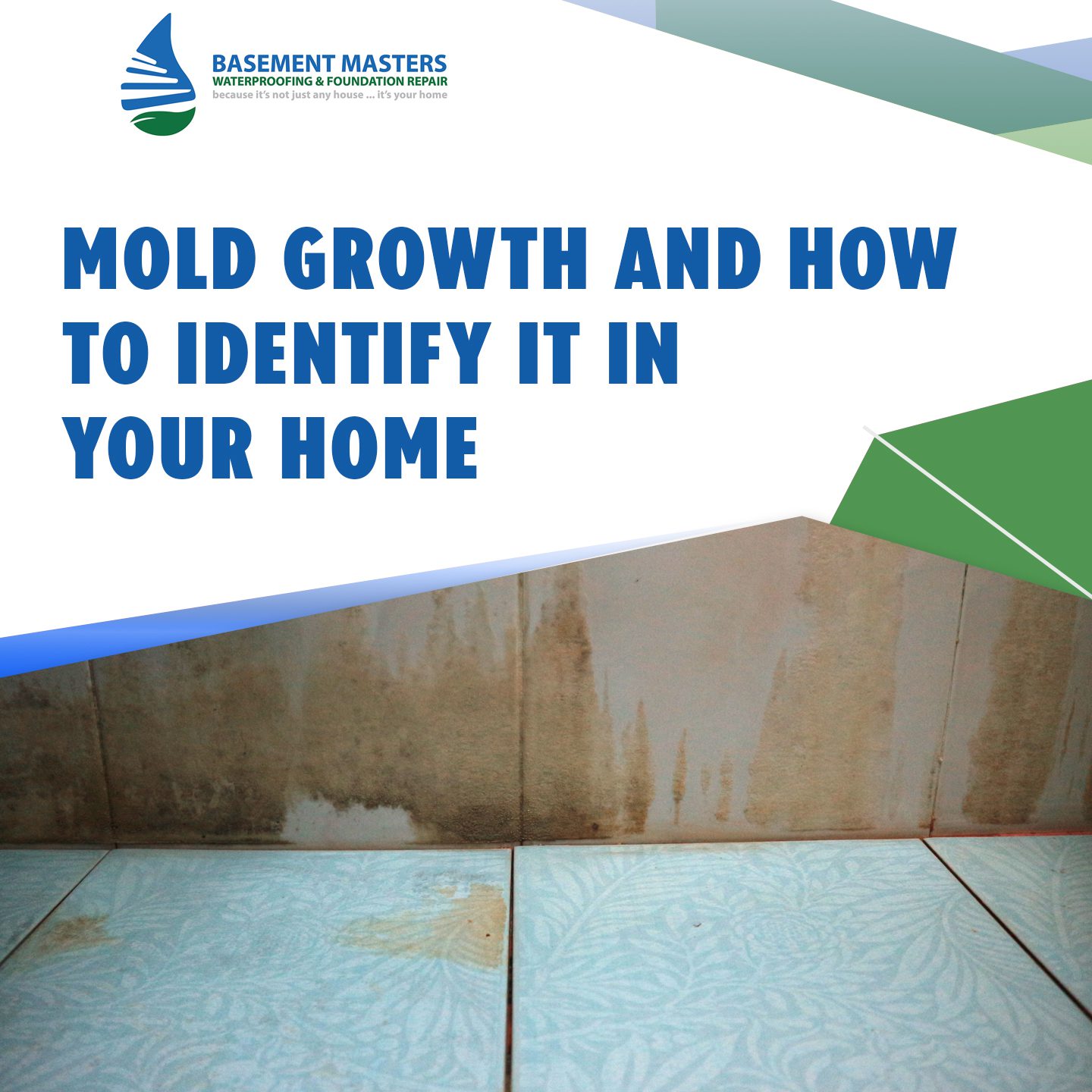
To explain the topic of today’s article, incorrectly installed waterproofing systems, we will refer to a job recently completed by our team for our now-made-happy homeowner. The individual gave us an unhappy account of just how much work they have had to exhibit sweeping up white dust that had been settling out from their foundational walls. To make matters worse, they had previously invested in an interior waterproofing system installation. The white dust, also called efflorescence, is a sign that your very important walls are deteriorating (also commonly mistaken as white mold growth).
Years of concrete and moisture intrusion expertise gave our team the insight that made it possible to make a fix. The trained contractors made a visit to the homeowner not long after the call to inspect the foundation walls in order to gather some more information. Their frustration was caused by the cost of the waterproofing system that was previously installed by another local company that didn’t seem to work correctly. The water had stopped leaking into their basement, however, the accumulating white dust suggested something else was wrong!
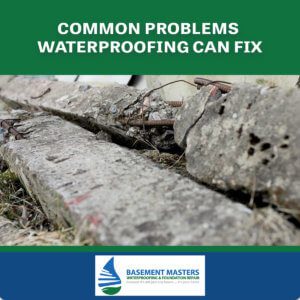
The result of the previous work was a significant coat of waterproof sealant over the surface of the foundation walls. The work was indicative of the best intentions to keep the water out from penetrating the walls, yet this solution was not capable of doing the job alone. In actuality, the coat of sealant was working against the health of the wall! Being blocked by the waterproof sealant, the water that had been absorbed into the concrete wall was now sitting stagnant inside of it. This moisture breaks down the bonds of lime with the sand and stone (the materials that make up concrete) and expels salt as a result.
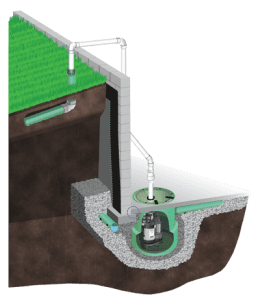
After finding that the foundation walls were crumbling at the touch, it was immediately clear that a solution had to be implemented. First, the soil around the home’s foundation was excavated to make room for a new exterior waterproofing system. Comprised of a series of high-quality materials, including a waterproof membrane, wall of drainage board, perforated piping, and drainage aggregate, it would efficiently stop water from seeping into the foundation walls. This is possible by blocking the water and then redirecting it away from the foundation by drains using gravity.
Fortunately, the basement walls were not so far gone that they needed to be replaced, though they did require some capable reinforcements to be installed for restoring their integrity. After everything was finished, the excavated earth was filled back in, and the home was put back as good as new!
To learn more about how foundation drainage works, and whether or not yours is not an incorrectly installed waterproofing system, give our team at Basement Masters Waterproofing a call today. It is our mission to inspect your home and find any existing problem, locate its source, and develop the waterproofing system that will stop the moisture from intruding. Schedule your hassle-free evaluation today to begin increasing the value of your family’s home and quality of life!