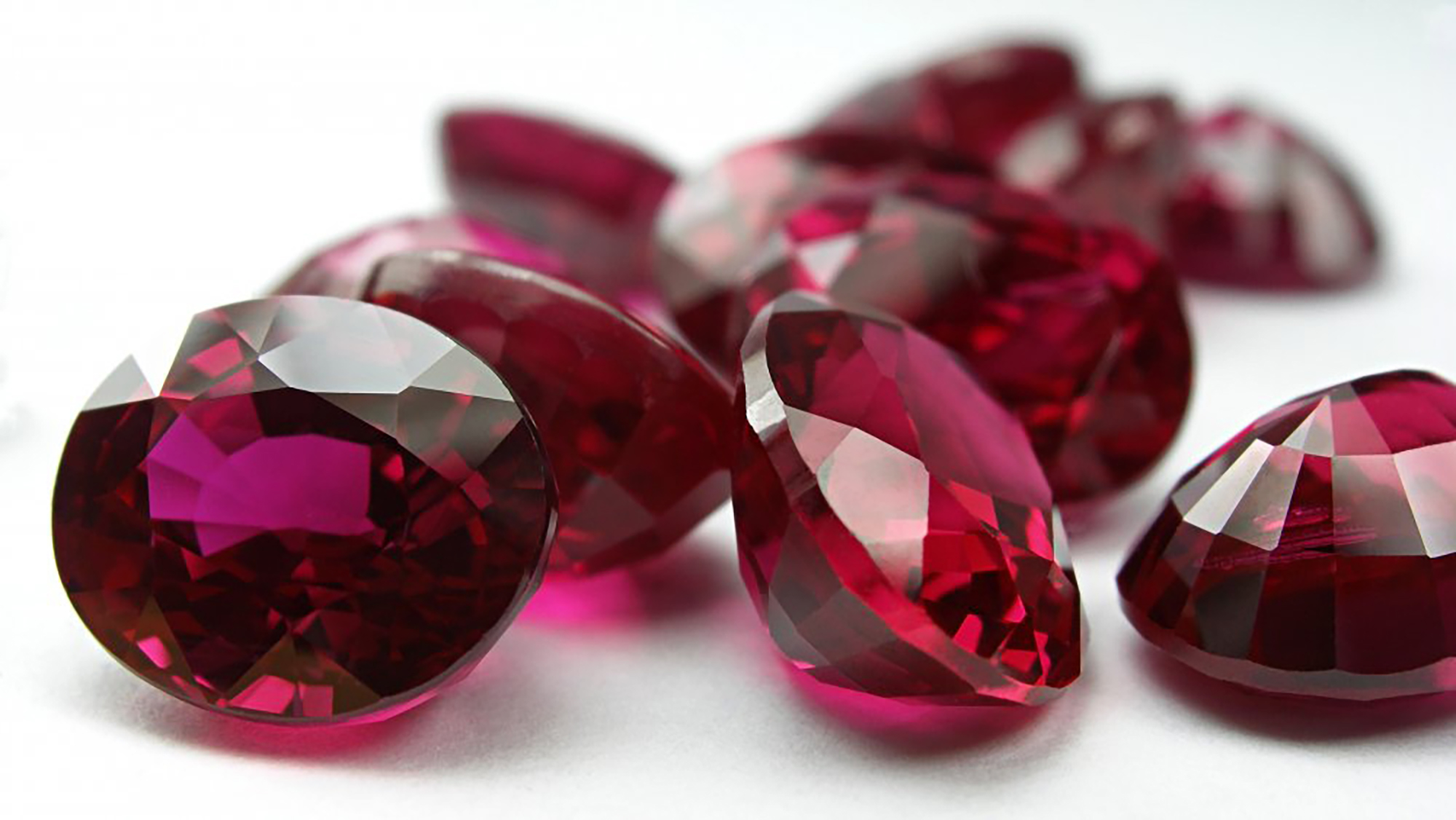
For centuries, vibrant rubies and sapphires have captivated royalty and collectors alike with their stunning hues born from the earth’s fiery depths. Set in ornate estate jewelry, these antique gems weave intricate stories of eras past. Their rarity and resilience to time’s tests drive value and allure. At Judy’s Jewelry, we specialize in these precious antique accents, helping modern investors rediscover their magical pull. Let us guide you through the nuances distinguishing exquisite rubies and sapphires as you build your jewelry heritage.
What Makes Rubies So Precious
Rubies have symbolized nobility, passion and protection for millennia. Ancient Hindus believed these “Ratnaraj,” or “King of Gems,” were conceived from blood drops of slain dragons that fell into fires – hence their fiery crimson essence. Their mystical origins and regal repute fuels desire today.
Fine rubies dazzle with an intensely saturated, red color known as “pigeon’s blood.” This rare, highly coveted hue comes from trace elements like chromium. Quality rubies also exhibit excellent clarity and luminosity resulting from precise cuts and top-grade material. Favored sources include Myanmar, Thailand, Sri Lanka and select African mines. Understanding what signals value allows you to invest wisely.
Appraising Antique Ruby Quality
When assessing potential ruby acquisitions, scrutinize:
- Vibrant Color – Seek out rich, red hues evenly saturating gems. Muted tones diminish beauty.
- Optimal Clarity – Minor inclusions expected with antiques shouldn’t compromise brilliance when cut.
- Expert Cuts – Precise faceting optimizes color distribution and radiance. Well-cut rubies appear illuminated from within.
- Notable Carat – While large sizes increase value, smaller high-grade rubies offer more affordable options without sacrificing quality.
- Reputable Origin – Myanmar/Burmese rubies are highly coveted for their exceptional color; Ceylon (Sri Lankan) rubies also rank high with collectors.
- Treatment Disclosures – Many rubies undergo heat enhancement to intensify color and clarity. Reputable dealers will provide transparency on any treatments.
Use this checklist when evaluating potential purchases with our specialists.
What Makes Sapphires So Precious
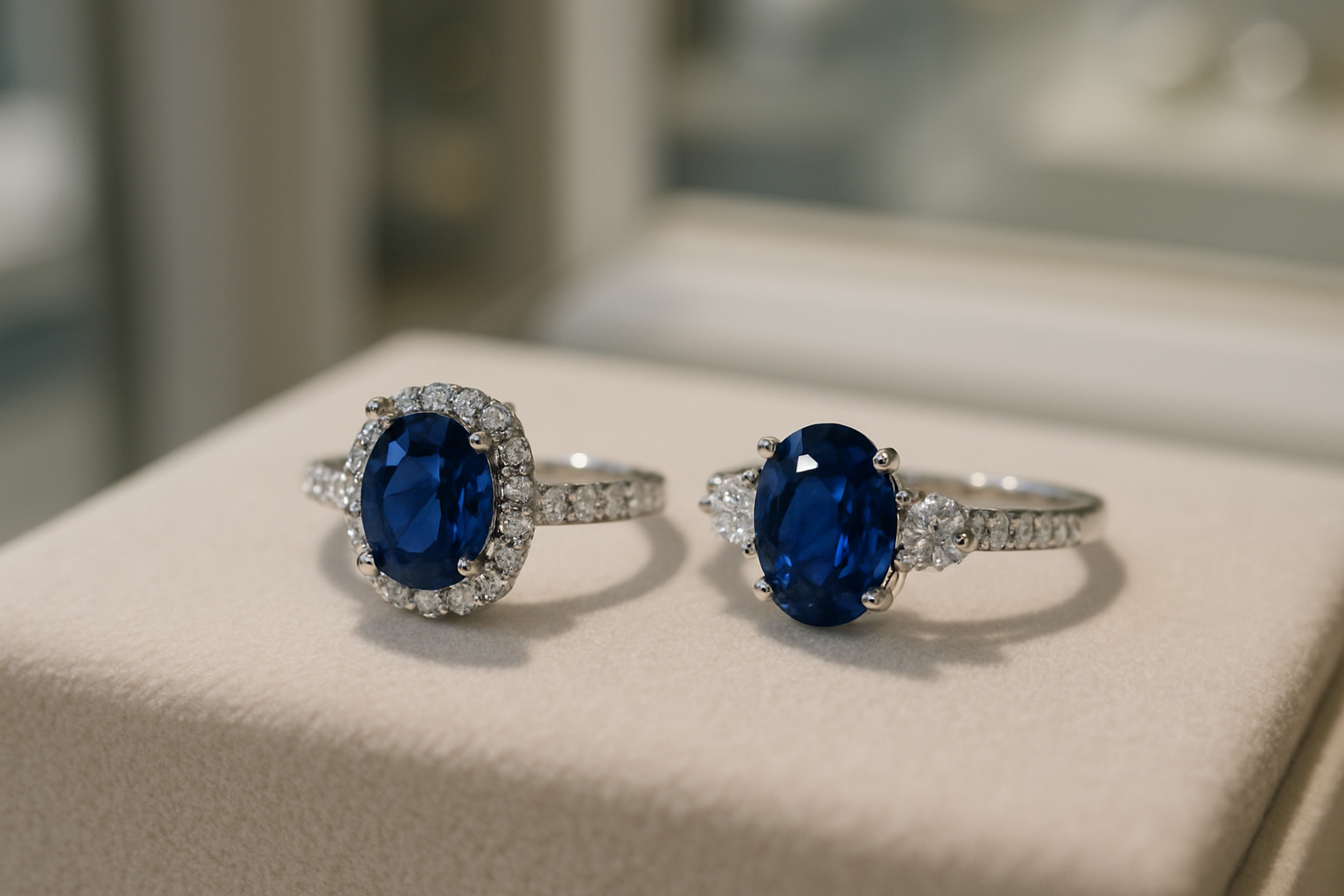
While many associate sapphires with royal blue hues, they materialize in a rainbow of saturated colors like pink, yellow, green and more that dazzle antique jewelry. These diverse gems earn their prized status from rarity, hardness second only to diamonds, and enduring beauty across eras.
The most extravagant sapphires exhibit a rich, velvety blue with a delicate lavender undertone known as “cornflower blue.” Kashmir sapphires from a now tapped out 19th century mine in the Himalayas set the standard with their unmatched hue, fetching over $200K per carat at auction. While few can secure these fabled gems, other fine sapphires carry intrigue.
Appraising Antique Sapphire Quality
As with rubies, assessing potential sapphire acquisitions requires careful attention to:
- Vibrant Color – Hues should appear rich and consistent throughout gems without dark spots.
- Optimal Clarity – Minor inclusions don’t detract from luminous beauty in quality sapphires.
- Expert Cuts – Well-executed cuts enhance color distribution and brilliance.
- Notable Carat – Larger carat antique sapphires are rare and valuable but smaller eye-clean stones still dazzle.
- Reputable Origin – Kashmir sapphires are exceptionally rare and valuable. Ceylon and Burma also produce fine specimens.
- Treatment Disclosures – Many sapphires undergo heat treatments to intensify hues. Reputable dealers disclose handling.
Review these quality markers with Judy’s Jewelry specialists to make informed decisions.
How Jewelry Settings Enhance Value
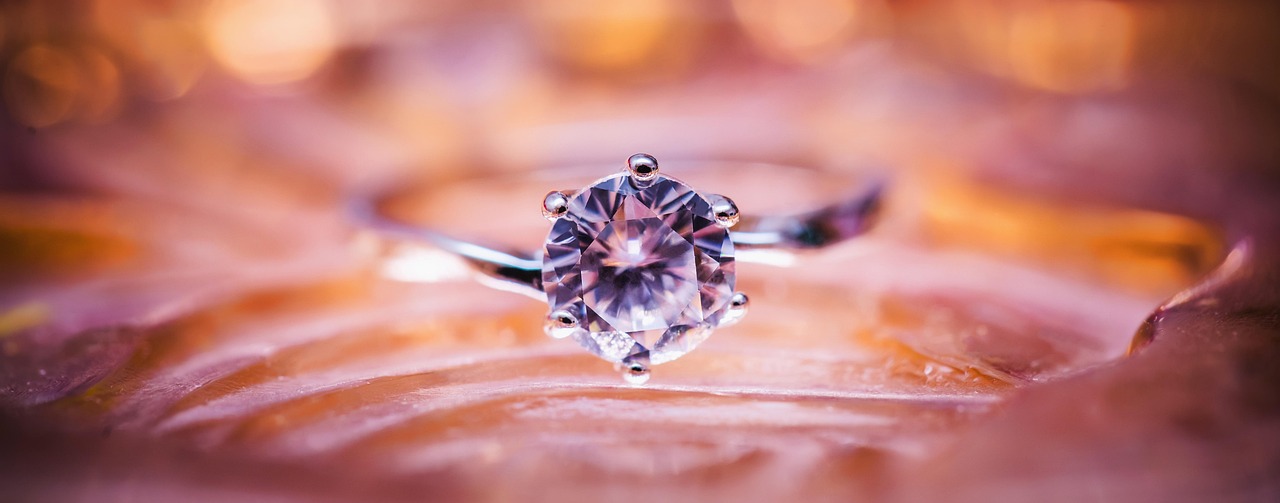
An exceptional stone deserves an equally exquisite setting - the metalsmithing surrounding the center gem. This mounting should complement rather than overwhelm the star ruby or sapphire attraction.
Estate settings like intricate Victorian lacework, edgy Art Deco geometrics or Old European cut diamond halos can provide beautiful backdrops, elevating the entire jewelry piece. Alternatively, customizable modern settings offer opportunities to transform heirloom gems into updated looks bearing new memories. Our onsite artisan can consult on setting possibilities for loose antique stones.
The craftsmanship quality of the setting also impacts value. Hand-wrought metalsmithing requires immense skill perfected over years of apprenticeship. Examine decor details like engraving, stone setting alignment and structural integrity for evidence of mastery. Just like the gems they safeguard, these meticulously crafted settings increase worth.
Caring for These Colorful Treasures
To retain these investments’ radiance and value, antique ruby and sapphire jewelry requires gentle care:
- Store pieces separately in protective pouches to prevent scratching from contact.
- Clean with mild soap, water and soft brushes avoiding harsh chemicals or ultrasonic cleaning.
- Limit light exposure that can cause fading, especially in sapphires.
- Visit jewelers annually to check precious metal integrity on older settings.
Adhering to these practices preserves precious gems’ rare brilliance while settings remain secure showcases, together proving that all that glitters truly is timeless gold.
Understanding Value Factors
Myriad intersecting qualities determine antique ruby and sapphire values. Like detectives, we weigh clues to arrive at fair pricing:
- Gem Quality – Color, clarity, cut and carat significantly sway worth in either direction.
- Treatment Level – Enhancements to intensify color and/or clarity can diminish value.
- Place of Origin – Renowned mining locales like Myanmar or Kashmir signal elite caliber.
- Jewelry Setting – Exceptional materials and artistry augment overall price.
- Market Demand – More sought-after antique styles and limited gems command premiums.
- Condition – Compromises require repair costs while provenance escalates estimates.
- Rarity – One-of-a-kind pieces created by branded jewelers accrue value.
Do any unique estate jewelry pieces in your possession bear marks suggesting coveted Burmese rubies or sapphires? We would be honored to investigate further and reveal their potential worth.
Start Your Colorful Collection
Rubies and sapphires have inspired dreamers for centuries with their stunning hues born from the earth’s fiery depths. Their rarity and resilience to time’s tests imbue them with intrigue and value, especially accenting antique jewelry designs. Now that you know what traits signal elite gem quality, you can begin curating an exceptional collection that spans eras and color spectrums.
Visit Judy's Jewelry in Fort Myers
Judy’s Jewelry provides full-service antique jewelry shopping from in-house repair to customized design. Meet with our gemologists to transform heirloom rubies and sapphires into modern keepsakes. For over 30 years, we have helped Southwest Floridians celebrate life’s brightest moments. Visit us today to view our latest curated collection of antique jewelry.