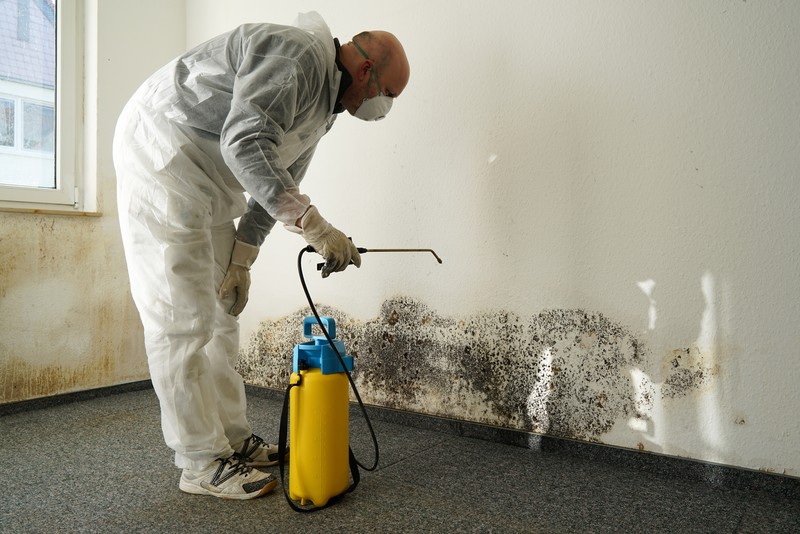
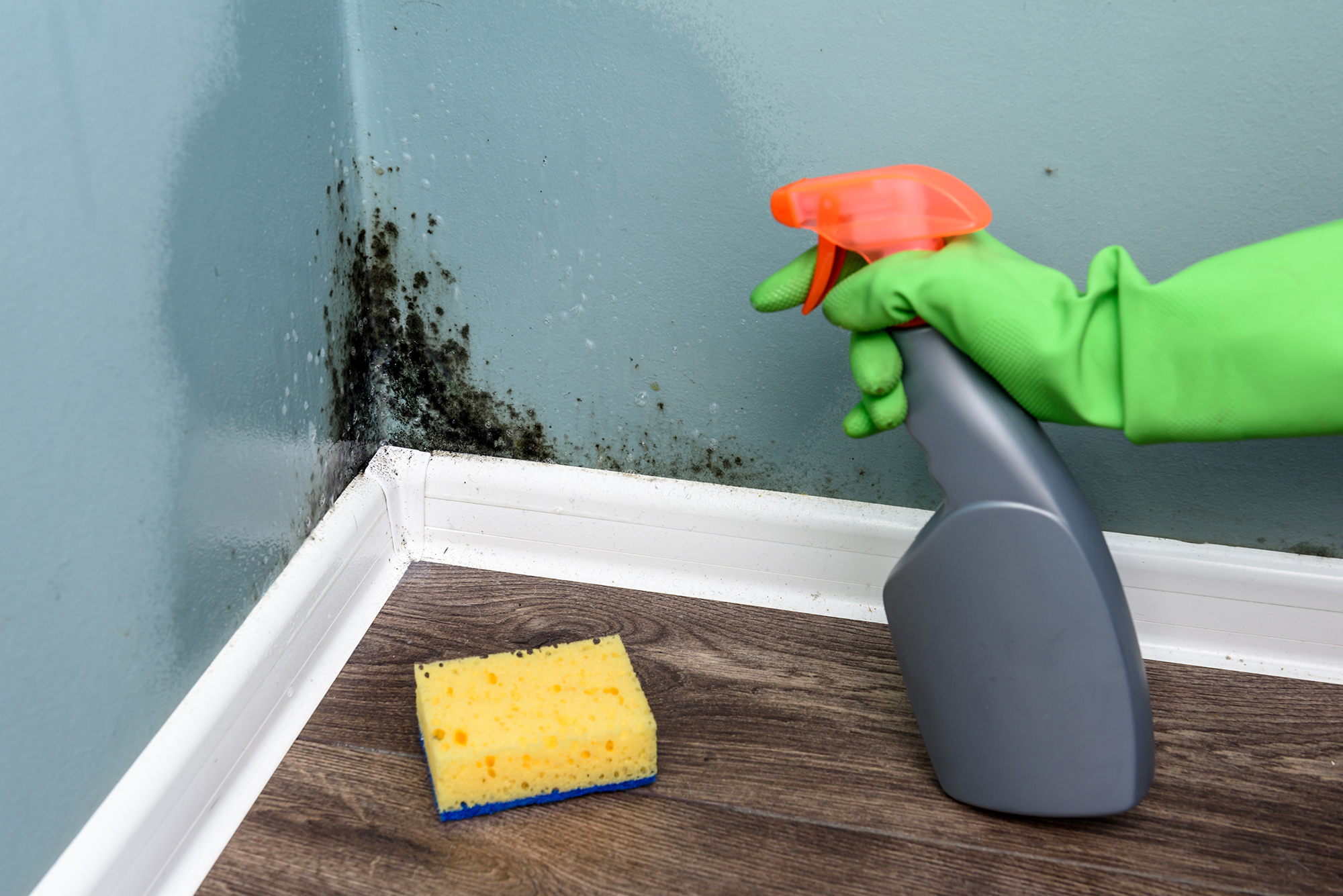
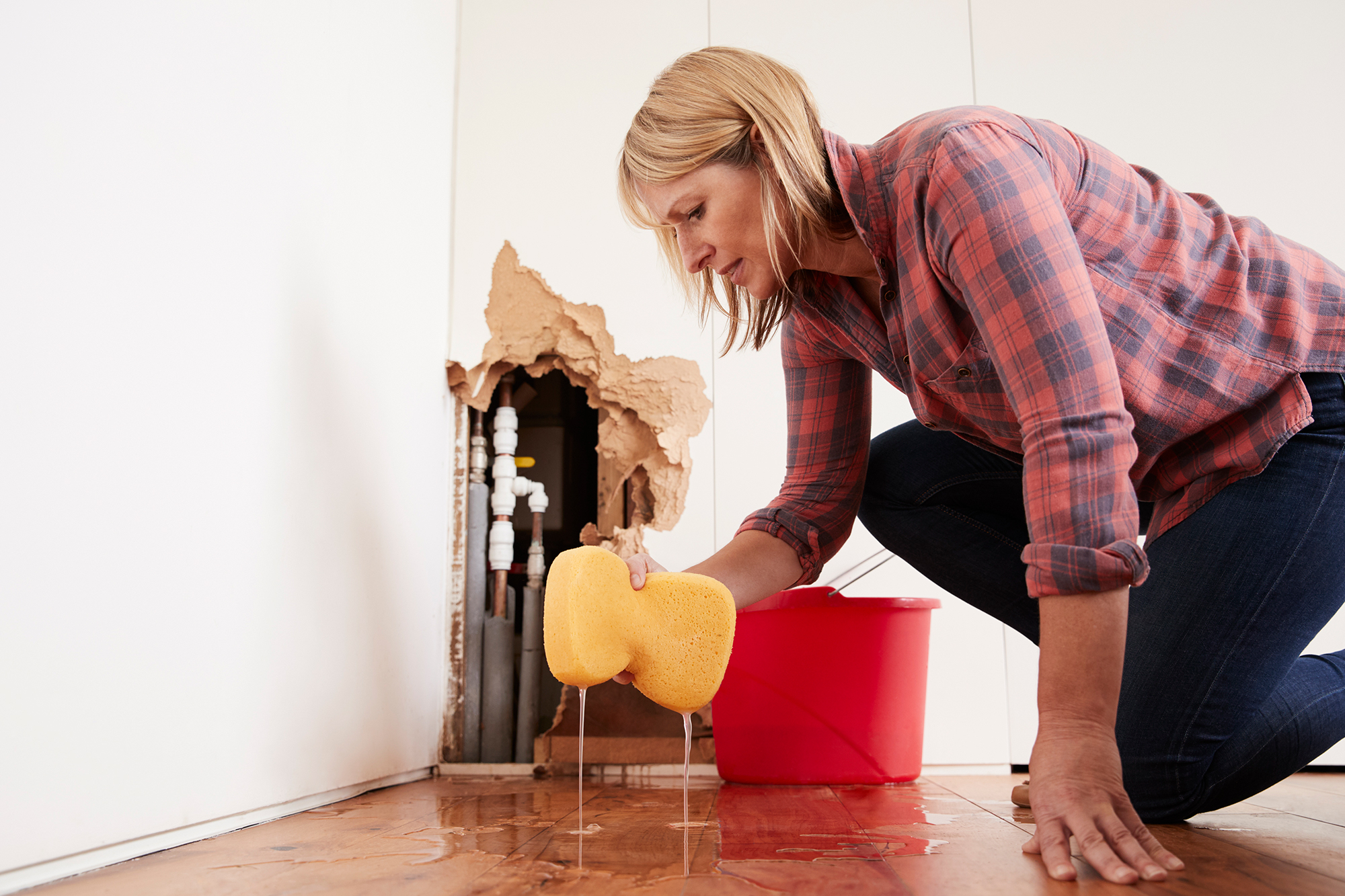
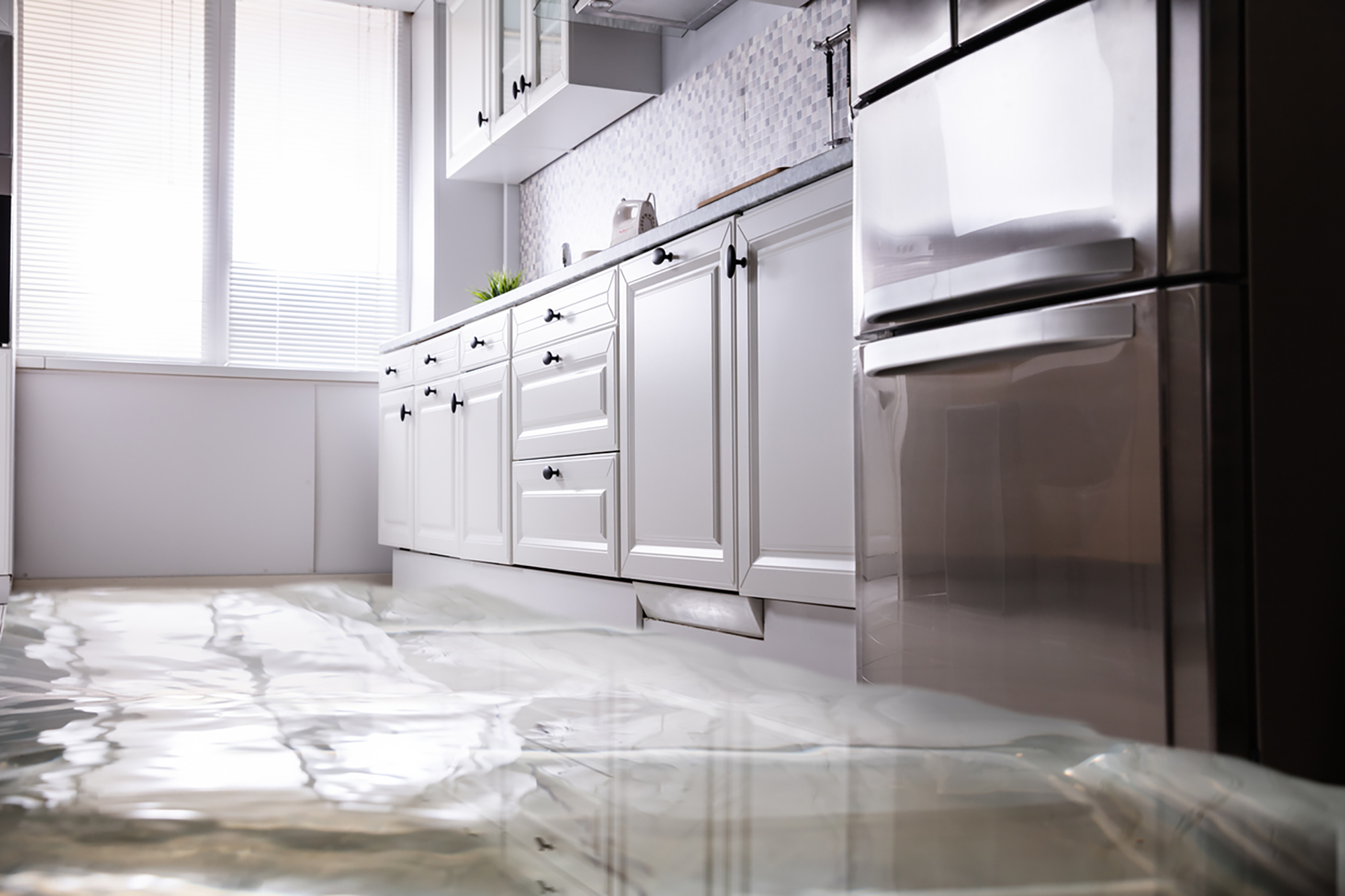
Patches on your walls have you worried?
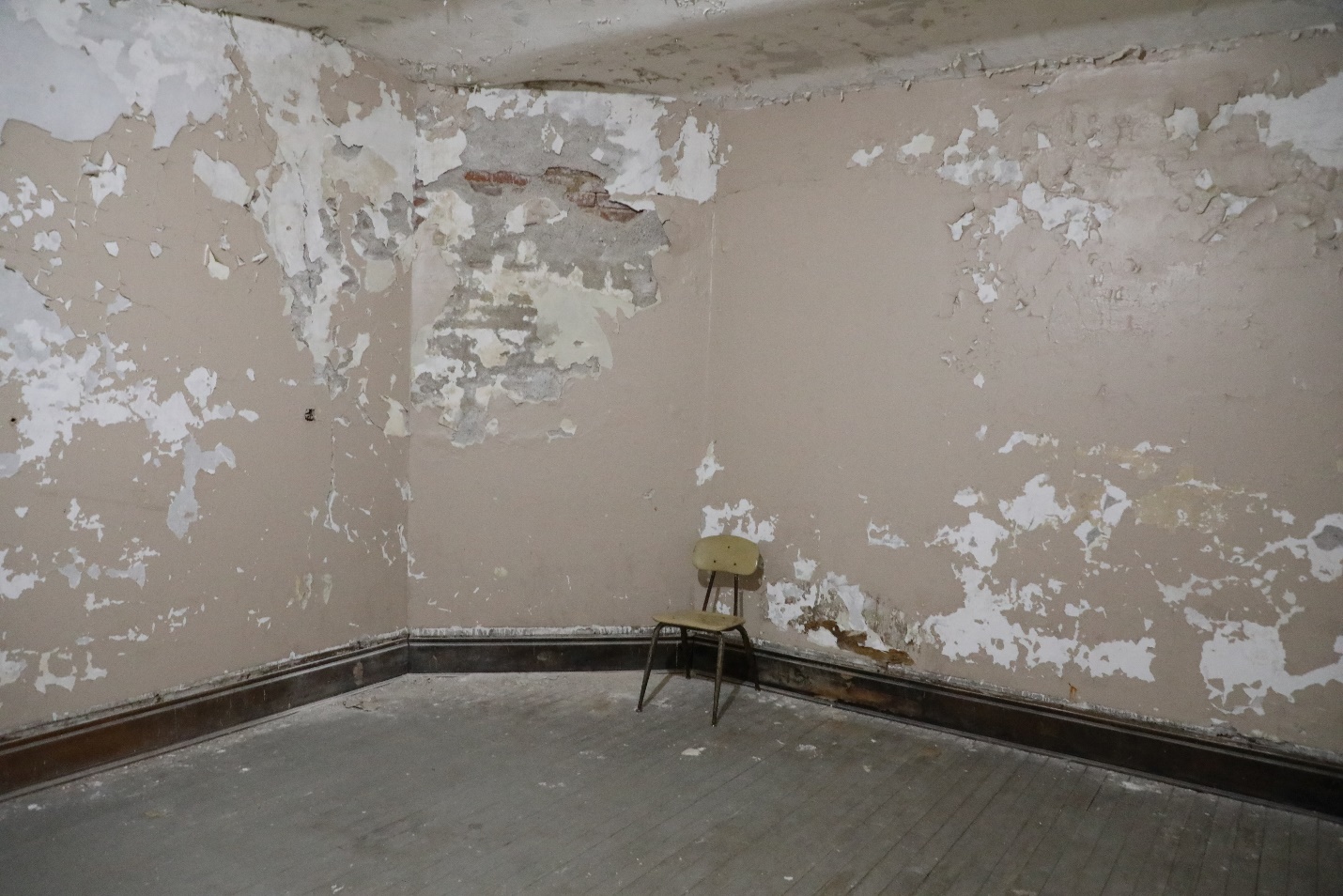
Call STOP Restoration Fort Mill and get your home inspected by trained professionals.
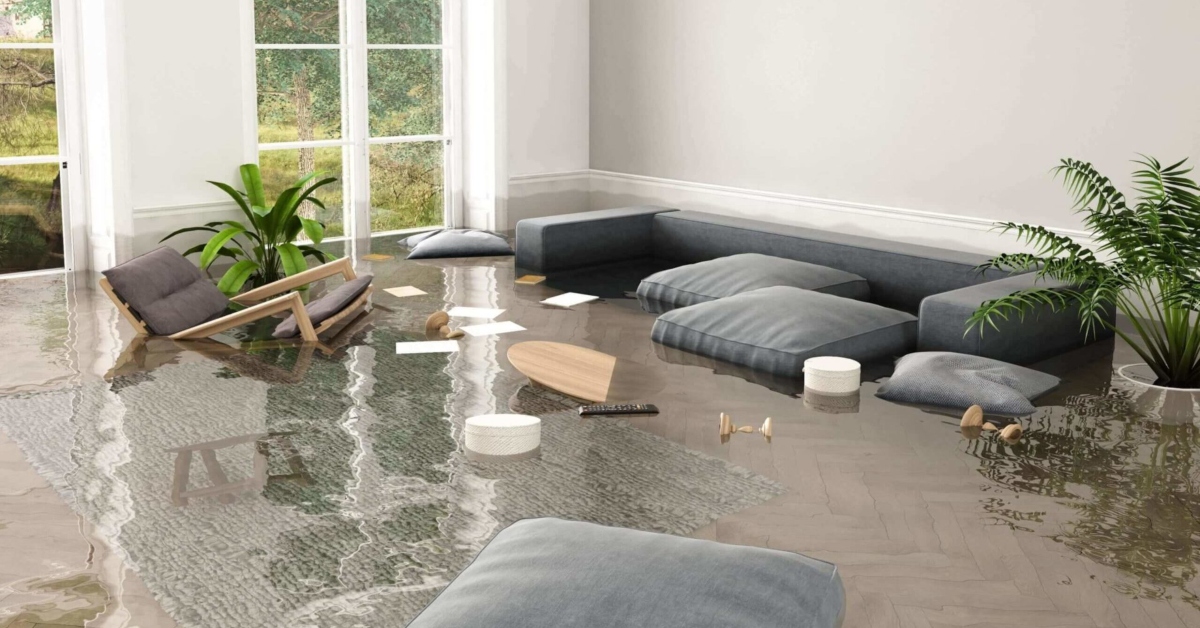
Mold growth is among the most widespread problems that American homes are currently facing. Although it’s a year-round problem, mold growth is dominant during the rainy seasons. Warm and moist conditions are the most favorable for their growth, hence basements and crawlspace being the most common mold-infested areas.
While most people deem mold infestation as just an unsightly yet harmless problem, it is much more than that. The presence of mold in your home is accompanied by numerous health hazards as well. Mold allergies can surface in the form of itchy and red eyes, stuffy nose, coughing, and wheezing. People with weak immune systems may even get lung infections and asthma attacks.
In addition to the health problems, mold growth also damages your property. It eats away at the surface it grows on, weakening it. If you discover mold growth in your home, you should address it with urgency. Do not hold off until the problem gets out of hand. However, it is common knowledge that prevention is better than cure. So here are some tips to prevent mold growth in your home:
Ventilation and Air Circulation
Closed in and packed spaces can often lead to moisture accumulation in the air. You will especially find this in your basements, laundry rooms, and attics. Ventilating such spaces can prevent this buildup of moisture, thereby reducing the chances of mold growth. You can promote ventilation and air circulation using ceiling fans, exhaust fans, opening windows, and your home’s HVAC system.
Monitor Indoor Humidity
The EPA recommended humidity level for homes is 30 to 60 percent. Humidity levels above this will lead to mold growth. You can measure the humidity using a moisture meter that you can purchase from your local hardware store. There are also some telltale signs that indicate high humidity levels, such as condensation of windows and pipes. If you observe any of these signs in your home, address the source of the problem.
Encapsulate Your Crawlspace
The little space between your house flooring and the foundation of the house is called the crawlspace. Normally these spaces are quite high in moisture content and therefore are favorite for molds to grow on. Insulating your crawl space with polyethylene plastic can help keep the moisture in control, thereby reducing the likelihood of mold growth.
Waterproofing Your Home
Get your exterior walls, doors, and roofs inspected for unwanted crevices and cracks that might lead to rainwater getting into your home. The rainwater coupled with the warmth of your home creates the perfect environment for mold to settle in and grow in your home. In addition, getting your house painted in water-resistant paints will provide an added line of defense against rainwater intrusion.
Get Your Gutters Cleaned and Repaired
Leaking roofs are often linked to blocked gutters. Gutters filled with debris won’t allow the water to drain. As a result, the water stands on your roof, eventually making its way into your home through the roof shingles. Getting your gutters regularly cleaned and repaired will help you avoid the annoyance of a leaking roof and hence mold infestation.
Mold Damage Restoration
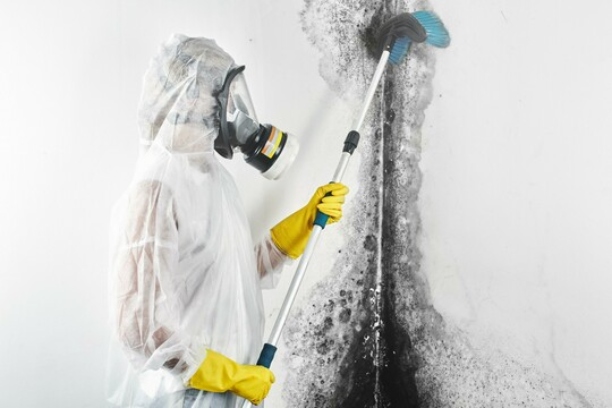
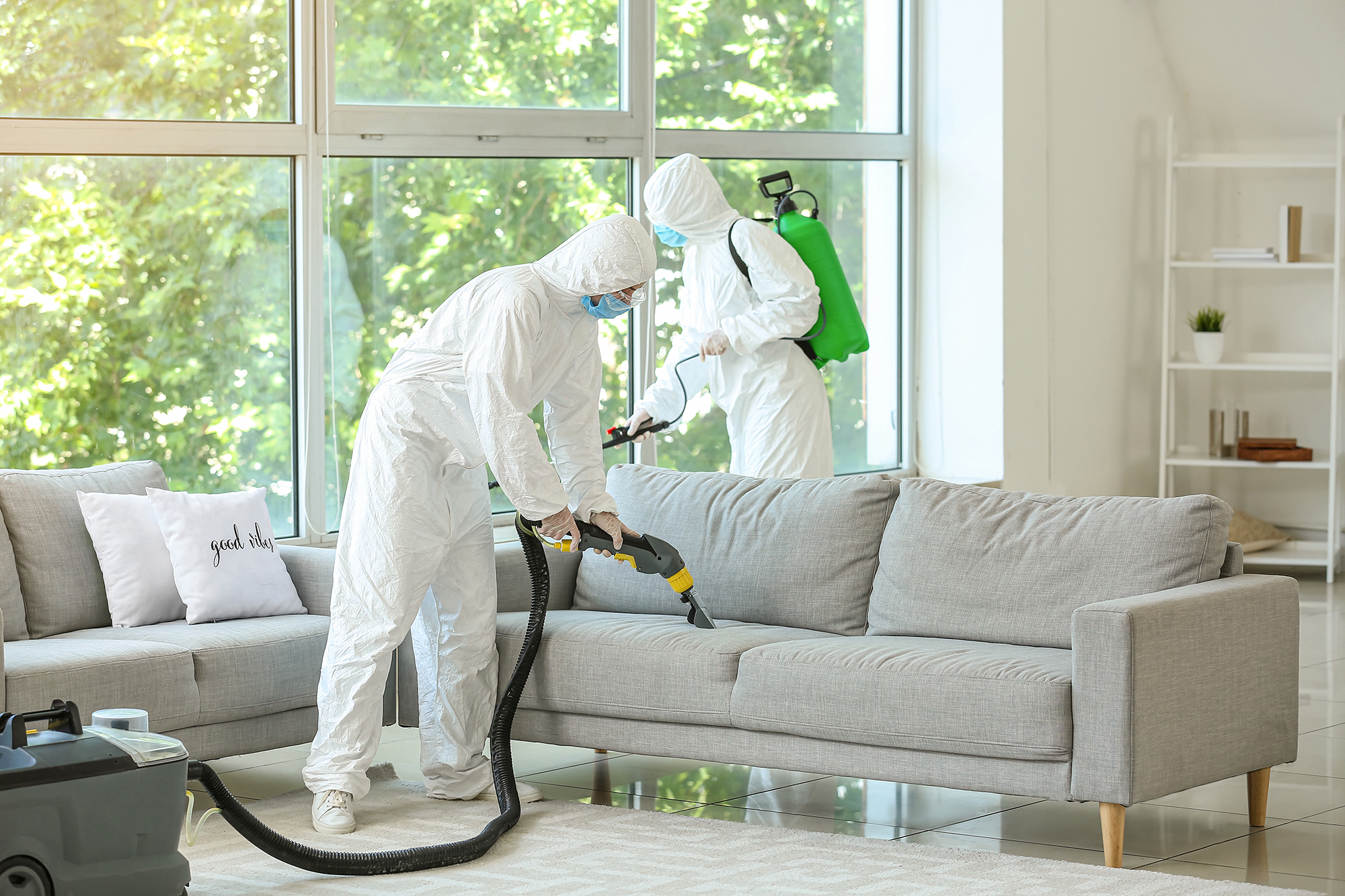
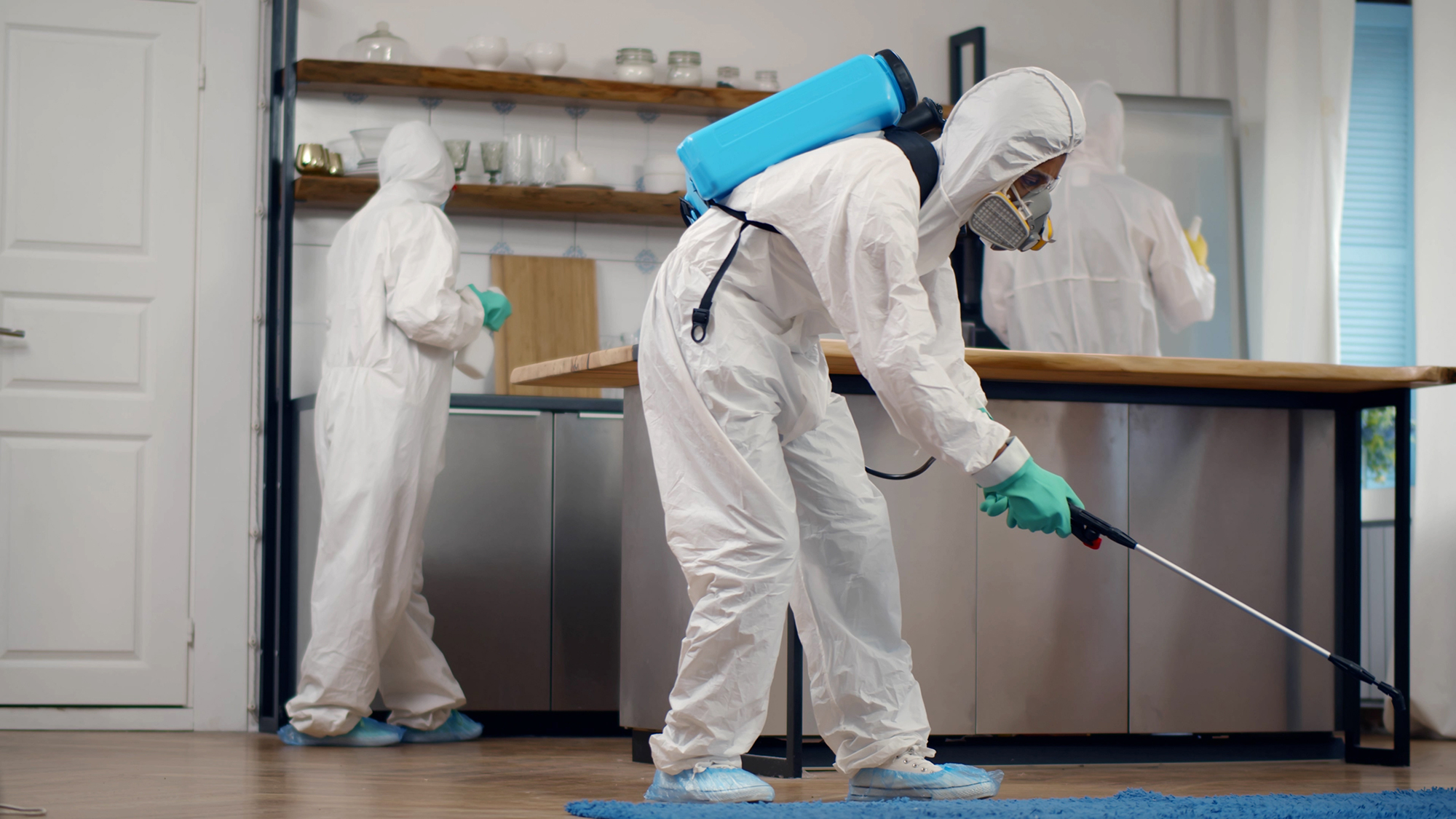
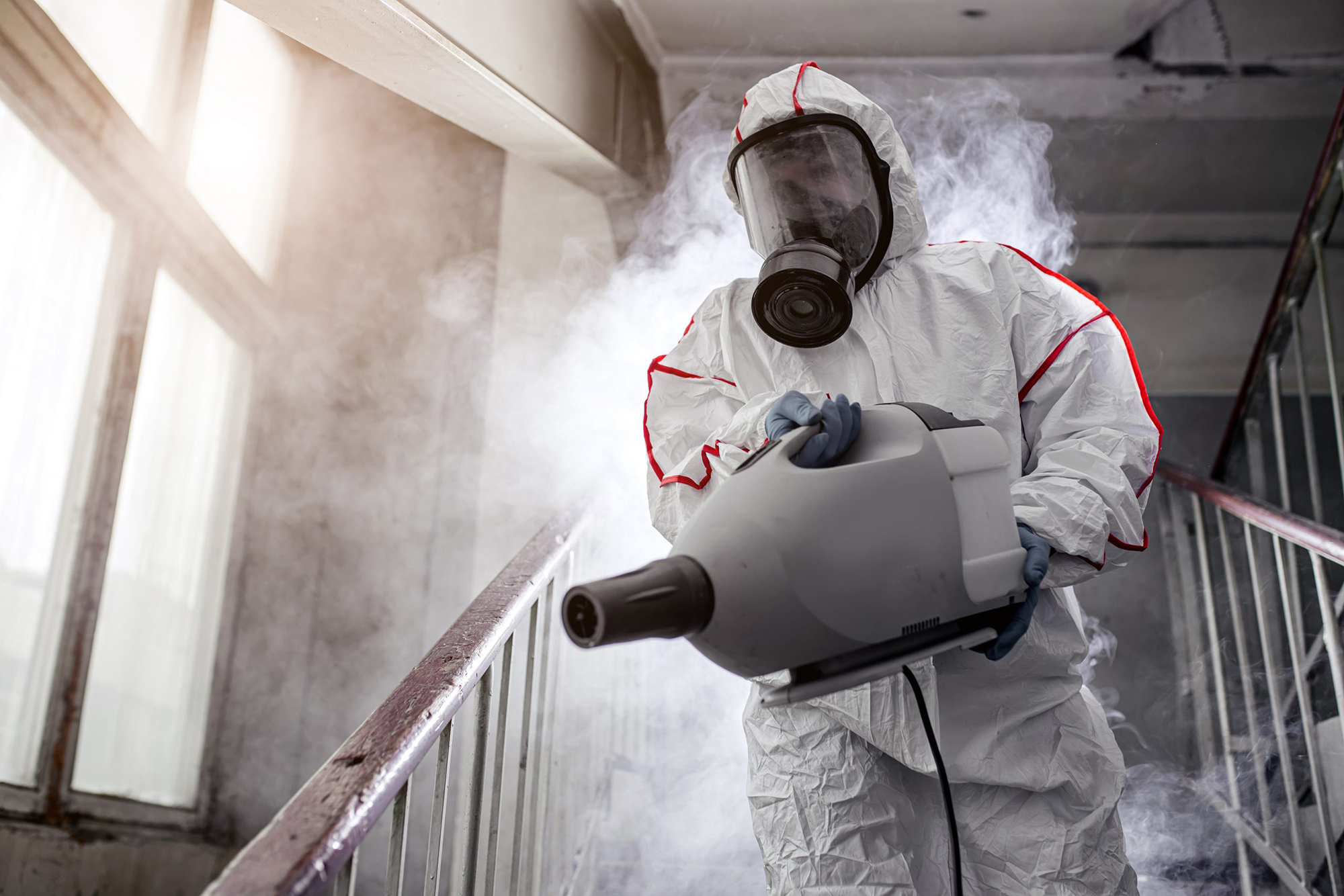
Molds are microorganisms that can make their way into your home, even through the air. This means that even taking all the precautions in the world cannot guarantee you a mold-free home. Therefore, it is better to get your house inspected if you see any patches on your walls. STOP Restoration Fort Mill has been in the restoration industry for over 40 years. Our comprehensive mold damage services will rid you of all your mold-related problems. Call now and make your home mold-free.