 The ADA signage you and additional business owners place up in your office building or workplace benefit millions who are legally blind, as well as help keep the aging population independent, mobile, and active. Most business owners know the importance of having tactile and braille signage for customers and clients who are blind. What they might not understand is how critical high contrast and tactile signage is for those who have partial eye sight. It’s why it may be confusing while attempting to determine which kinds of signs to place up and where they should go.
The first question most business owners have is whether the law applies to them. If you’re a business which offers services or goods to the public, you fall underneath the law. The line within the law says that, ‘restaurants, stores, service establishments, bars, hotels, theaters, private museums, recreational facilities, and schools, dentists’ and doctors' clinics, shopping malls, and additional businesses…are included within the twelve categories, irrespective of the age of their buildings or size of the business’ (2011, Department of Justice). That means that if you handle the public in some sort of way, you must know what you must do to make sure individuals who have disabilities have accessibility to and are safe inside your structure. Even commercial buildings, such as factories, offices, and warehouses, must address disability safety and accessibility with new alterations or construction to buildings, and every facility that has ten or more workers have to follow the ADA signs guidelines.
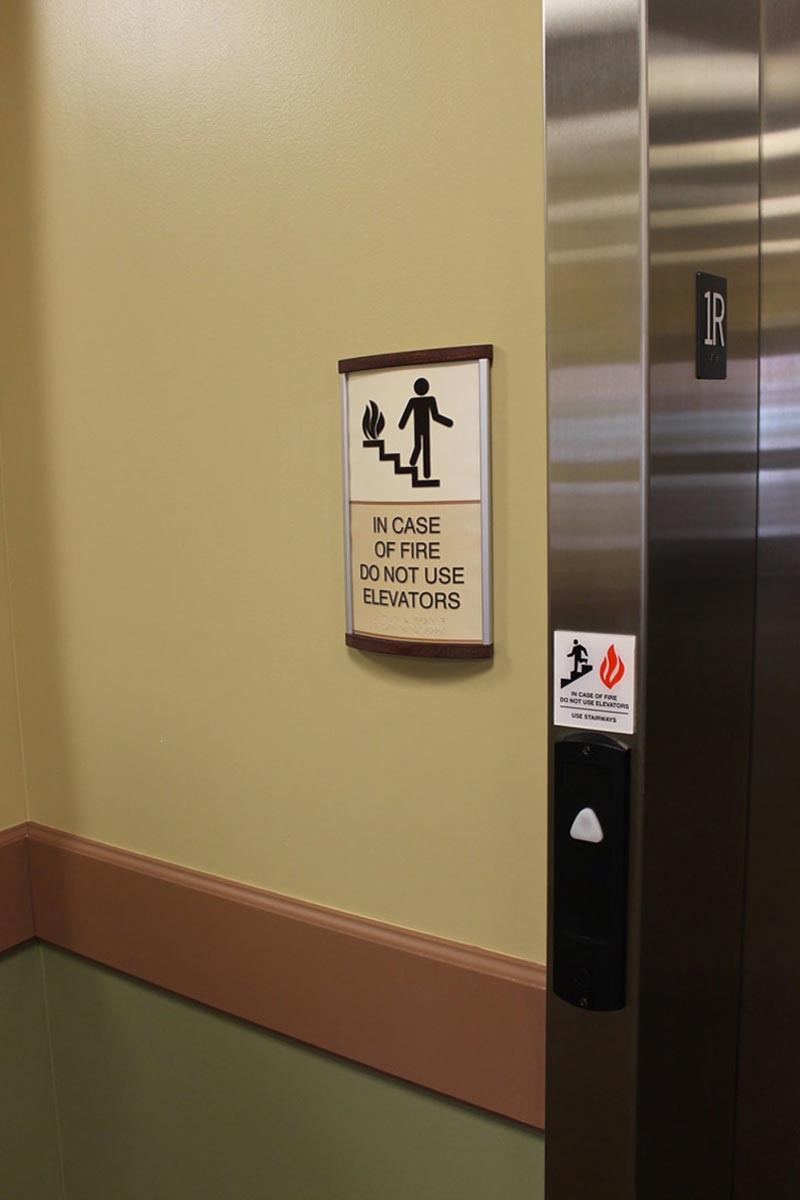
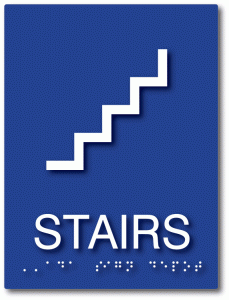
Not all signs that identify or are part of your office or business must be ADA compliant. Directories, parking signs, building addresses, and signage which will be up seven days or less (a temporary sign) does not have to be compliant. Permanent spaces and rooms, stairwells, or additional places which have a permanent use must be identified using signage that has tactile letters and braille and high contrast letters.
It may be confusing to know exactly what you should do! Your ADA compliant signage manufacturer is an excellent resource to assist you in finding precisely what you need and discuss where it must go. For more information on safety signage contact SignVisions at (770) 756 6600 or info@signvisionsatl.com.
The ADA signage you and additional business owners place up in your office building or workplace benefit millions who are legally blind, as well as help keep the aging population independent, mobile, and active. Most business owners know the importance of having tactile and braille signage for customers and clients who are blind. What they might not understand is how critical high contrast and tactile signage is for those who have partial eye sight. It’s why it may be confusing while attempting to determine which kinds of signs to place up and where they should go.
The first question most business owners have is whether the law applies to them. If you’re a business which offers services or goods to the public, you fall underneath the law. The line within the law says that, ‘restaurants, stores, service establishments, bars, hotels, theaters, private museums, recreational facilities, and schools, dentists’ and doctors' clinics, shopping malls, and additional businesses…are included within the twelve categories, irrespective of the age of their buildings or size of the business’ (2011, Department of Justice). That means that if you handle the public in some sort of way, you must know what you must do to make sure individuals who have disabilities have accessibility to and are safe inside your structure. Even commercial buildings, such as factories, offices, and warehouses, must address disability safety and accessibility with new alterations or construction to buildings, and every facility that has ten or more workers have to follow the ADA signs guidelines.
Not all signs that identify or are part of your office or business must be ADA compliant. Directories, parking signs, building addresses, and signage which will be up seven days or less (a temporary sign) does not have to be compliant. Permanent spaces and rooms, stairwells, or additional places which have a permanent use must be identified using signage that has tactile letters and braille and high contrast letters.
It may be confusing to know exactly what you should do! Your ADA compliant signage manufacturer is an excellent resource to assist you in finding precisely what you need and discuss where it must go. For more information on safety signage contact SignVisions at (770) 756 6600 or info@signvisionsatl.com.
Fayetteville, GA - Approaching ADA Signs as a Business Owner
SYNOPSIS: Approaching ADA Signs as a Business Owner
The ADA signage you and additional business owners place up in your office building or workplace benefit millions who are legally blind, as well as help keep the aging population independent, mobile, and
BY: ,
Approaching ADA Signs as a Business Owner
The ADA signage you and additional business owners place up in your office building or workplace benefit millions who are legally blind, as well as help keep the aging population independent, mobile, and active. Most business owners know the importance of having tactile and braille signage for customers and clients who are blind. What they might not understand is how critical high contrast and tactile signage is for those who have partial eye sight. It’s why it may be confusing while attempting to determine which kinds of signs to place up and where they should go.
The first question most business owners have is whether the law applies to them. If you’re a business which offers services or goods to the public, you fall underneath the law. The line within the law says that, ‘restaurants, stores, service establishments, bars, hotels, theaters, private museums, recreational facilities, and schools, dentists’ and doctors' clinics, shopping malls, and additional businesses…are included within the twelve categories, irrespective of the age of their buildings or size of the business’ (2011, Department of Justice). That means that if you handle the public in some sort of way, you must know what you must do to make sure individuals who have disabilities have accessibility to and are safe inside your structure. Even commercial buildings, such as factories, offices, and warehouses, must address disability safety and accessibility with new alterations or construction to buildings, and every facility that has ten or more workers have to follow the ADA signs guidelines.
Not all signs that identify or are part of your office or business must be ADA compliant. Directories, parking signs, building addresses, and signage which will be up seven days or less (a temporary sign) does not have to be compliant. Permanent spaces and rooms, stairwells, or additional places which have a permanent use must be identified using signage that has tactile letters and braille and high contrast letters.
It may be confusing to know exactly what you should do! Your ADA compliant signage manufacturer is an excellent resource to assist you in finding precisely what you need and discuss where it must go. For more information on safety signage contact SignVisions at (770) 756 6600 or info@signvisionsatl.com.
The ADA signage you and additional business owners place up in your office building or workplace benefit millions who are legally blind, as well as help keep the aging population independent, mobile, and active. Most business owners know the importance of having tactile and braille signage for customers and clients who are blind. What they might not understand is how critical high contrast and tactile signage is for those who have partial eye sight. It’s why it may be confusing while attempting to determine which kinds of signs to place up and where they should go.
The first question most business owners have is whether the law applies to them. If you’re a business which offers services or goods to the public, you fall underneath the law. The line within the law says that, ‘restaurants, stores, service establishments, bars, hotels, theaters, private museums, recreational facilities, and schools, dentists’ and doctors' clinics, shopping malls, and additional businesses…are included within the twelve categories, irrespective of the age of their buildings or size of the business’ (2011, Department of Justice). That means that if you handle the public in some sort of way, you must know what you must do to make sure individuals who have disabilities have accessibility to and are safe inside your structure. Even commercial buildings, such as factories, offices, and warehouses, must address disability safety and accessibility with new alterations or construction to buildings, and every facility that has ten or more workers have to follow the ADA signs guidelines.
Not all signs that identify or are part of your office or business must be ADA compliant. Directories, parking signs, building addresses, and signage which will be up seven days or less (a temporary sign) does not have to be compliant. Permanent spaces and rooms, stairwells, or additional places which have a permanent use must be identified using signage that has tactile letters and braille and high contrast letters.
It may be confusing to know exactly what you should do! Your ADA compliant signage manufacturer is an excellent resource to assist you in finding precisely what you need and discuss where it must go. For more information on safety signage contact SignVisions at (770) 756 6600 or info@signvisionsatl.com.