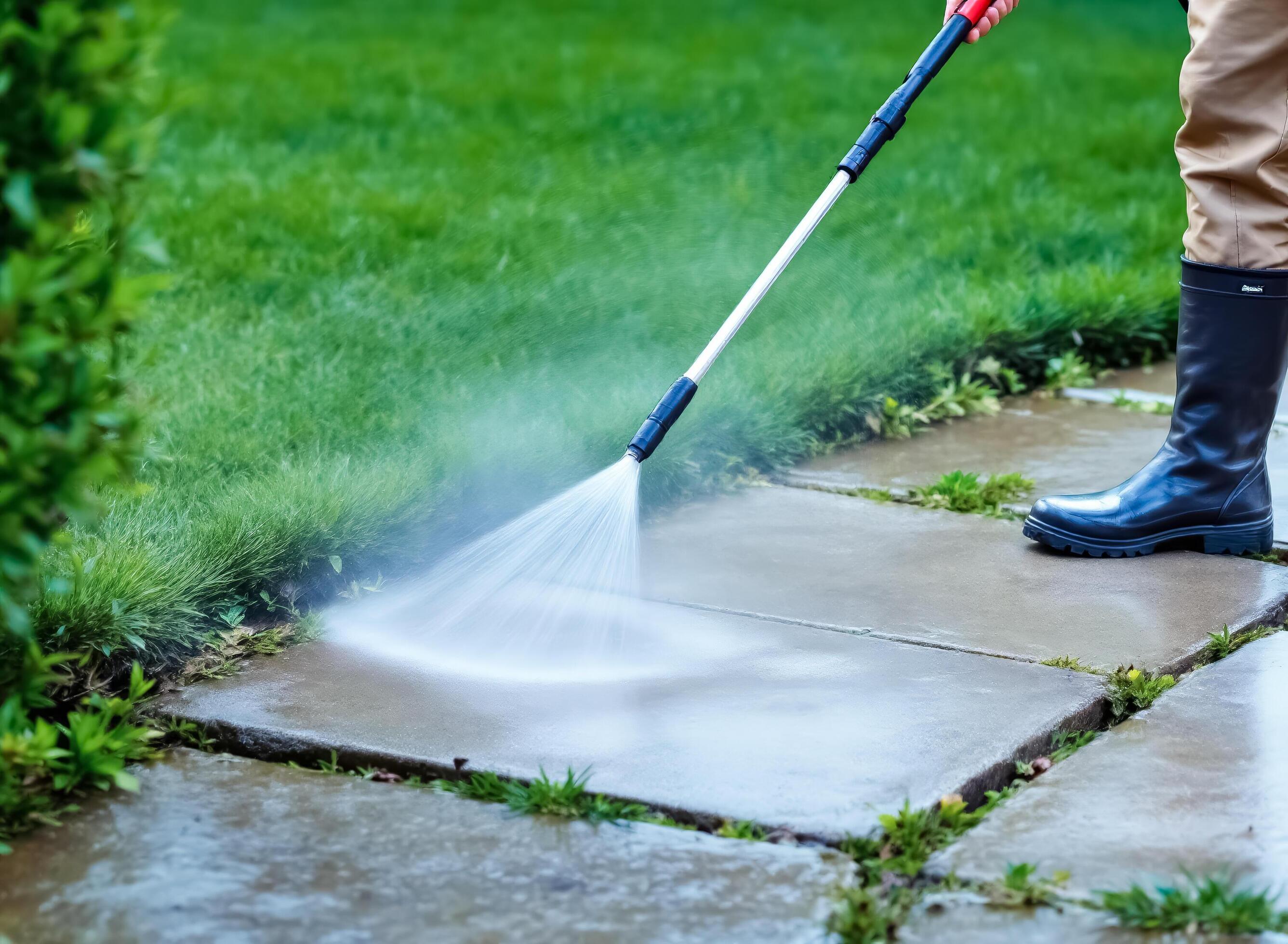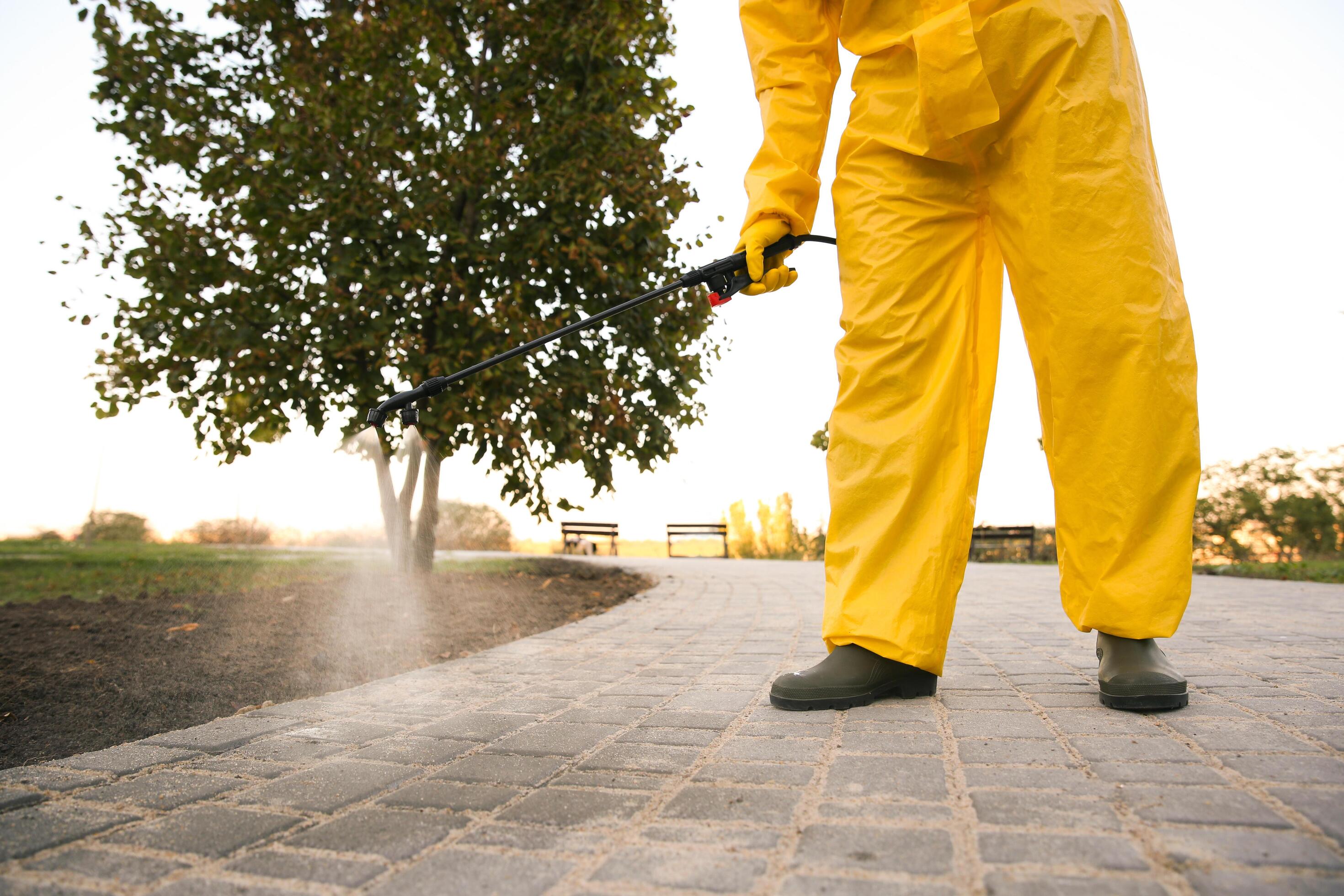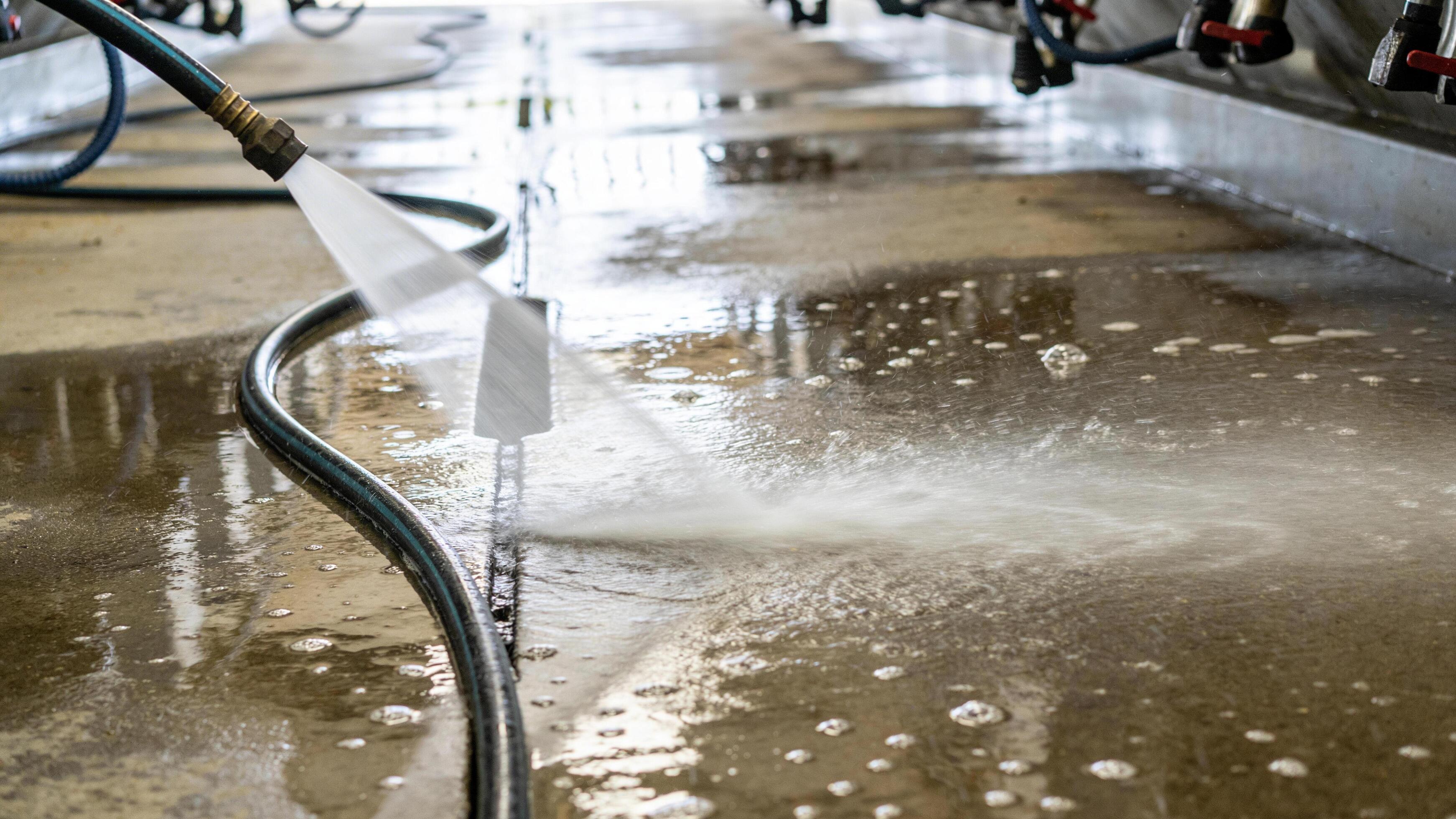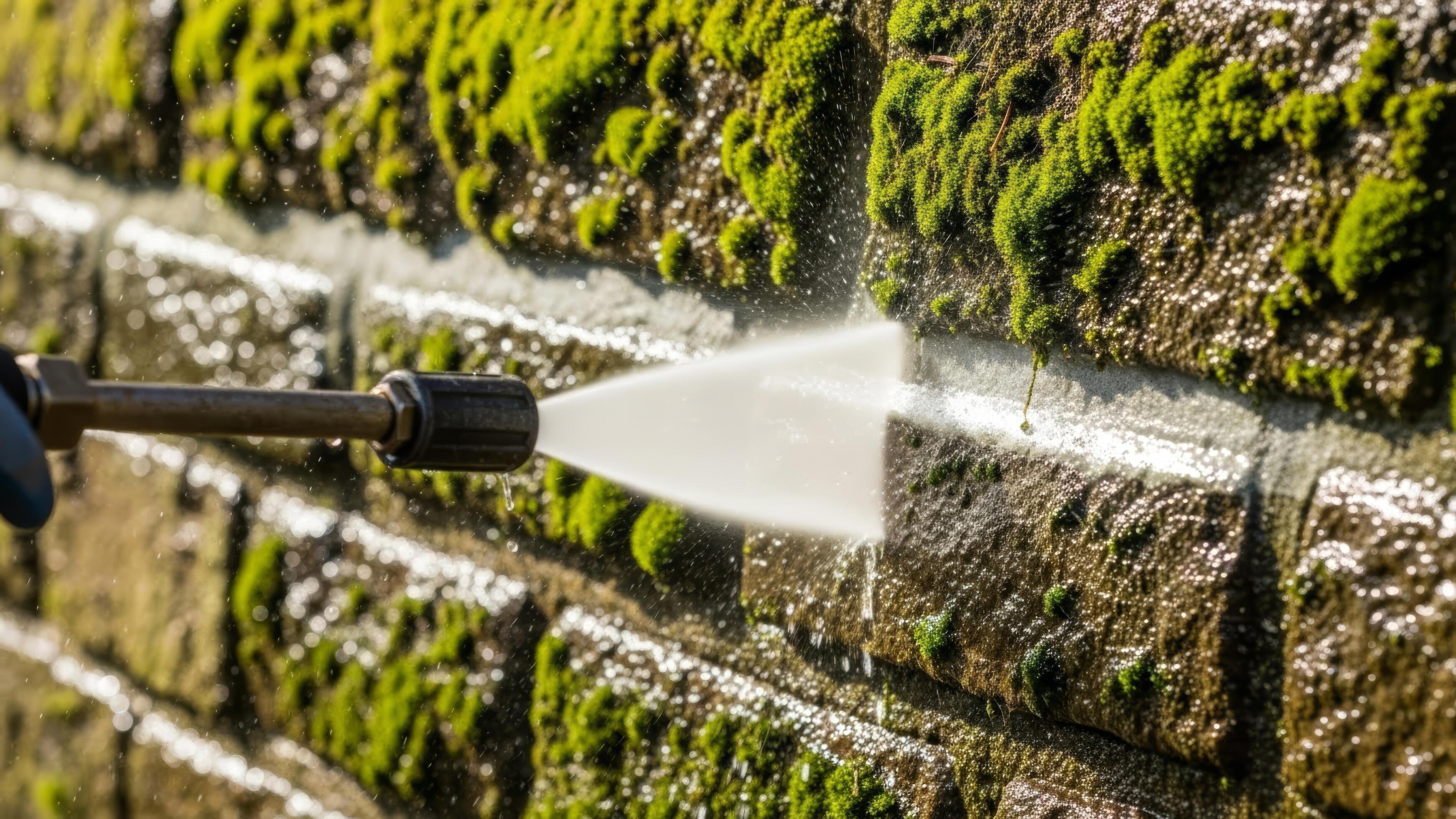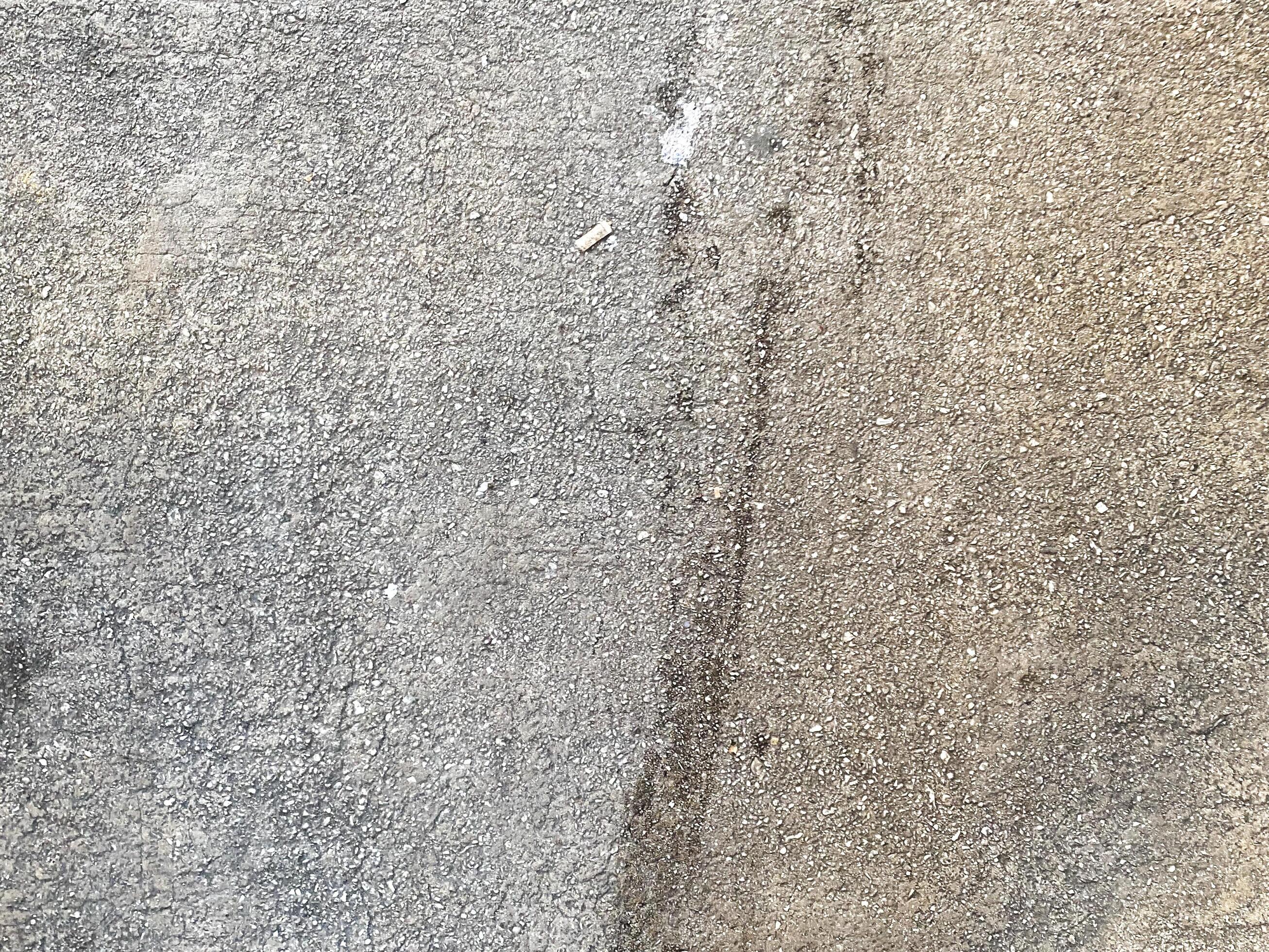
 Lawn fertilizers are essential for keeping grass lush and healthy, but they can also leave behind stubborn stains on driveways, sidewalks, patios, and exterior walls. These stains appear as unsightly orange, brown, or rust-colored spots, often mistaken for rust or dirt buildup.
Understanding the causes of lawn fertilizer stains can help homeowners take preventive measures and seek professional power-washing solutions to restore their surfaces.
Iron and Mineral Deposits in Fertilizer
One of the primary causes of lawn fertilizer stains is the iron content found in many fertilizers. Iron is commonly included in lawn care products because it helps grass develop a deep green color. However, when fertilizer granules or liquid runoff come into contact with concrete, brick, or stone surfaces, the iron oxidizes, leaving behind rust-like stains that are difficult to remove with standard cleaning methods.
Over-Application of Fertilizer
Applying too much fertilizer can increase the risk of staining. When excess fertilizer is spread onto the lawn, some of it inevitably spills onto surrounding hard surfaces. If not quickly removed, the moisture from rain or irrigation causes the fertilizer to break down and release iron and other minerals, which then seep into porous surfaces, leading to permanent discoloration.
Runoff from Watering or Rain
Heavy rain, sprinklers, or hose watering can cause fertilizer runoff even if applied correctly to the lawn. The water carries iron, phosphorus, and other nutrients from the lawn onto nearby concrete, asphalt, or pavers. When the water evaporates, it leaves behind mineral deposits that oxidize and form stains. This is especially common in low-lying areas where water naturally collects and pools.
Chemical Reactions with Porous Surfaces
Concrete, brick, and natural stone are porous materials that easily absorb liquids. When iron and other minerals from fertilizer penetrate these surfaces, they react with air and moisture, causing deep-set stains. Some stains persist even after basic washing because the minerals have seeped into the material rather than just sitting on the surface.
High Humidity and Moisture Retention
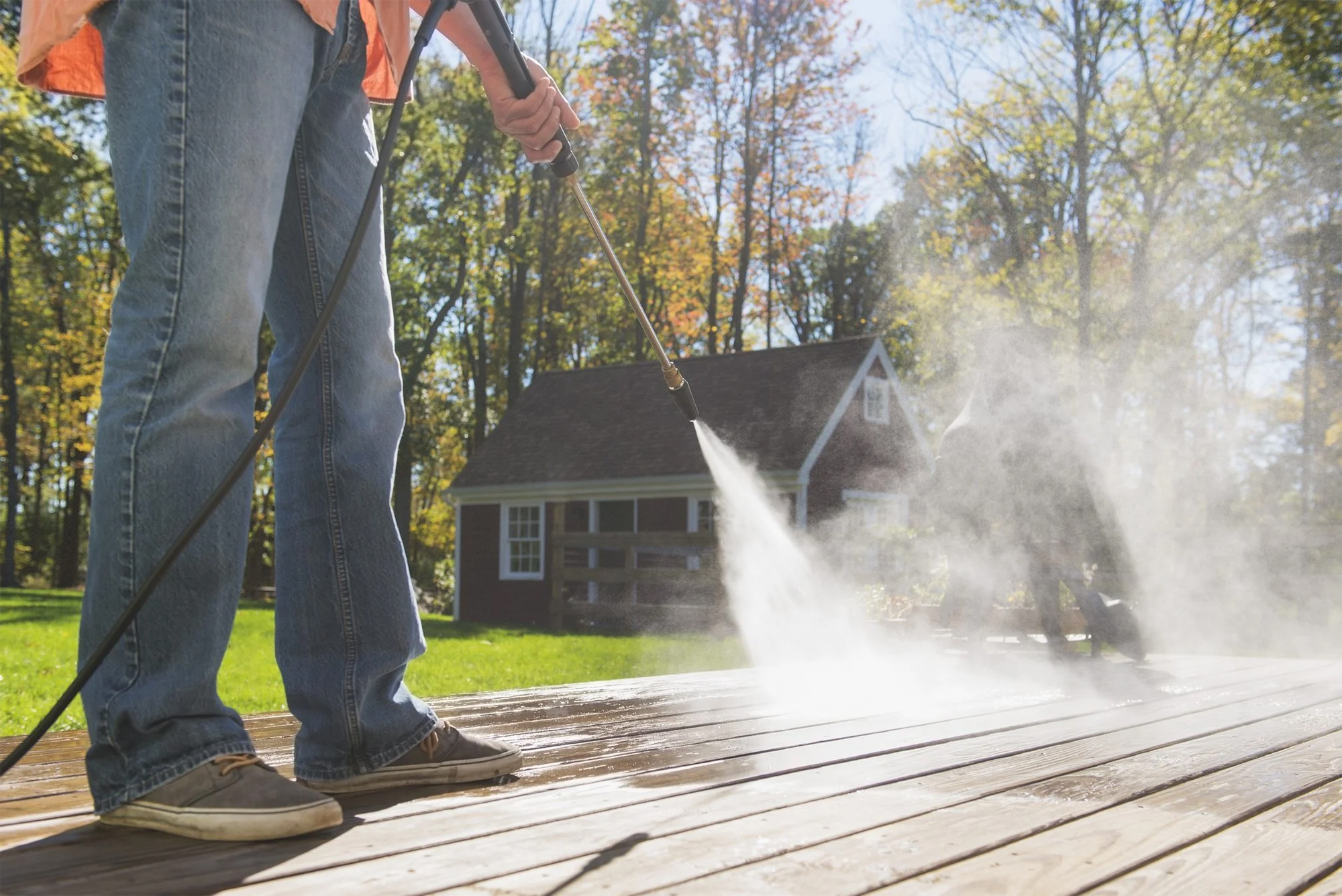
In areas with high humidity, surfaces tend to retain moisture longer, accelerating the oxidation process of iron particles in fertilizer. This can cause stains to set in quickly and deeply, making them harder to remove with regular cleaning. Power washing with specialized rust-removal solutions is often required to eliminate stains completely.
Understanding these causes of lawn fertilizer stains equips property owners with the information needed to prevent and address these marks effectively. Regular cleaning and informed use of fertilizers can help maintain the cleanliness and appeal of outdoor surfaces. Property owners can rely on professional power washing services to manage and eliminate these blemishes, ensuring their property remains visually appealing.
Under Pressure Cleaning & Sealing Services is a premier eco-friendly pressure washing company serving residential and commercial properties throughout Southwest Florida, including Estero, Fort Myers, Cape Coral, Bonita Springs, and Naples. We prioritize using biodegradable cleaning products to ensure effective cleaning that safeguards your property and the environment. Our expert services enhance the beauty and longevity of your spaces. Contact us to discover how we can transform and maintain your property.
Lawn fertilizers are essential for keeping grass lush and healthy, but they can also leave behind stubborn stains on driveways, sidewalks, patios, and exterior walls. These stains appear as unsightly orange, brown, or rust-colored spots, often mistaken for rust or dirt buildup.
Understanding the causes of lawn fertilizer stains can help homeowners take preventive measures and seek professional power-washing solutions to restore their surfaces.
Iron and Mineral Deposits in Fertilizer
One of the primary causes of lawn fertilizer stains is the iron content found in many fertilizers. Iron is commonly included in lawn care products because it helps grass develop a deep green color. However, when fertilizer granules or liquid runoff come into contact with concrete, brick, or stone surfaces, the iron oxidizes, leaving behind rust-like stains that are difficult to remove with standard cleaning methods.
Over-Application of Fertilizer
Applying too much fertilizer can increase the risk of staining. When excess fertilizer is spread onto the lawn, some of it inevitably spills onto surrounding hard surfaces. If not quickly removed, the moisture from rain or irrigation causes the fertilizer to break down and release iron and other minerals, which then seep into porous surfaces, leading to permanent discoloration.
Runoff from Watering or Rain
Heavy rain, sprinklers, or hose watering can cause fertilizer runoff even if applied correctly to the lawn. The water carries iron, phosphorus, and other nutrients from the lawn onto nearby concrete, asphalt, or pavers. When the water evaporates, it leaves behind mineral deposits that oxidize and form stains. This is especially common in low-lying areas where water naturally collects and pools.
Chemical Reactions with Porous Surfaces
Concrete, brick, and natural stone are porous materials that easily absorb liquids. When iron and other minerals from fertilizer penetrate these surfaces, they react with air and moisture, causing deep-set stains. Some stains persist even after basic washing because the minerals have seeped into the material rather than just sitting on the surface.
High Humidity and Moisture Retention
In areas with high humidity, surfaces tend to retain moisture longer, accelerating the oxidation process of iron particles in fertilizer. This can cause stains to set in quickly and deeply, making them harder to remove with regular cleaning. Power washing with specialized rust-removal solutions is often required to eliminate stains completely.
Understanding these causes of lawn fertilizer stains equips property owners with the information needed to prevent and address these marks effectively. Regular cleaning and informed use of fertilizers can help maintain the cleanliness and appeal of outdoor surfaces. Property owners can rely on professional power washing services to manage and eliminate these blemishes, ensuring their property remains visually appealing.
Under Pressure Cleaning & Sealing Services is a premier eco-friendly pressure washing company serving residential and commercial properties throughout Southwest Florida, including Estero, Fort Myers, Cape Coral, Bonita Springs, and Naples. We prioritize using biodegradable cleaning products to ensure effective cleaning that safeguards your property and the environment. Our expert services enhance the beauty and longevity of your spaces. Contact us to discover how we can transform and maintain your property.
Cape Coral, FL - Causes of Lawn Fertilizer Stains from a Power Washing Company
SYNOPSIS: Florida residents explore the causes of lawn fertilizer stains and how you can remove them to maintain property aesthetics effectively and with little to no stress for you.
Explaining the Causes of Lawn Fertilizer Stains
BY: Peter Leblanc, Under Pressure Cleaning & Sealing Services
Lawn fertilizers are essential for keeping grass lush and healthy, but they can also leave behind stubborn stains on driveways, sidewalks, patios, and exterior walls. These stains appear as unsightly orange, brown, or rust-colored spots, often mistaken for rust or dirt buildup.
Understanding the causes of lawn fertilizer stains can help homeowners take preventive measures and seek professional power-washing solutions to restore their surfaces.
Iron and Mineral Deposits in Fertilizer
One of the primary causes of lawn fertilizer stains is the iron content found in many fertilizers. Iron is commonly included in lawn care products because it helps grass develop a deep green color. However, when fertilizer granules or liquid runoff come into contact with concrete, brick, or stone surfaces, the iron oxidizes, leaving behind rust-like stains that are difficult to remove with standard cleaning methods.
Over-Application of Fertilizer
Applying too much fertilizer can increase the risk of staining. When excess fertilizer is spread onto the lawn, some of it inevitably spills onto surrounding hard surfaces. If not quickly removed, the moisture from rain or irrigation causes the fertilizer to break down and release iron and other minerals, which then seep into porous surfaces, leading to permanent discoloration.
Runoff from Watering or Rain
Heavy rain, sprinklers, or hose watering can cause fertilizer runoff even if applied correctly to the lawn. The water carries iron, phosphorus, and other nutrients from the lawn onto nearby concrete, asphalt, or pavers. When the water evaporates, it leaves behind mineral deposits that oxidize and form stains. This is especially common in low-lying areas where water naturally collects and pools.
Chemical Reactions with Porous Surfaces
Concrete, brick, and natural stone are porous materials that easily absorb liquids. When iron and other minerals from fertilizer penetrate these surfaces, they react with air and moisture, causing deep-set stains. Some stains persist even after basic washing because the minerals have seeped into the material rather than just sitting on the surface.
High Humidity and Moisture Retention
In areas with high humidity, surfaces tend to retain moisture longer, accelerating the oxidation process of iron particles in fertilizer. This can cause stains to set in quickly and deeply, making them harder to remove with regular cleaning. Power washing with specialized rust-removal solutions is often required to eliminate stains completely.
Understanding these causes of lawn fertilizer stains equips property owners with the information needed to prevent and address these marks effectively. Regular cleaning and informed use of fertilizers can help maintain the cleanliness and appeal of outdoor surfaces. Property owners can rely on professional power washing services to manage and eliminate these blemishes, ensuring their property remains visually appealing.
Under Pressure Cleaning & Sealing Services is a premier eco-friendly pressure washing company serving residential and commercial properties throughout Southwest Florida, including Estero, Fort Myers, Cape Coral, Bonita Springs, and Naples. We prioritize using biodegradable cleaning products to ensure effective cleaning that safeguards your property and the environment. Our expert services enhance the beauty and longevity of your spaces. Contact us to discover how we can transform and maintain your property.