 Why Regular Cleaning Matters
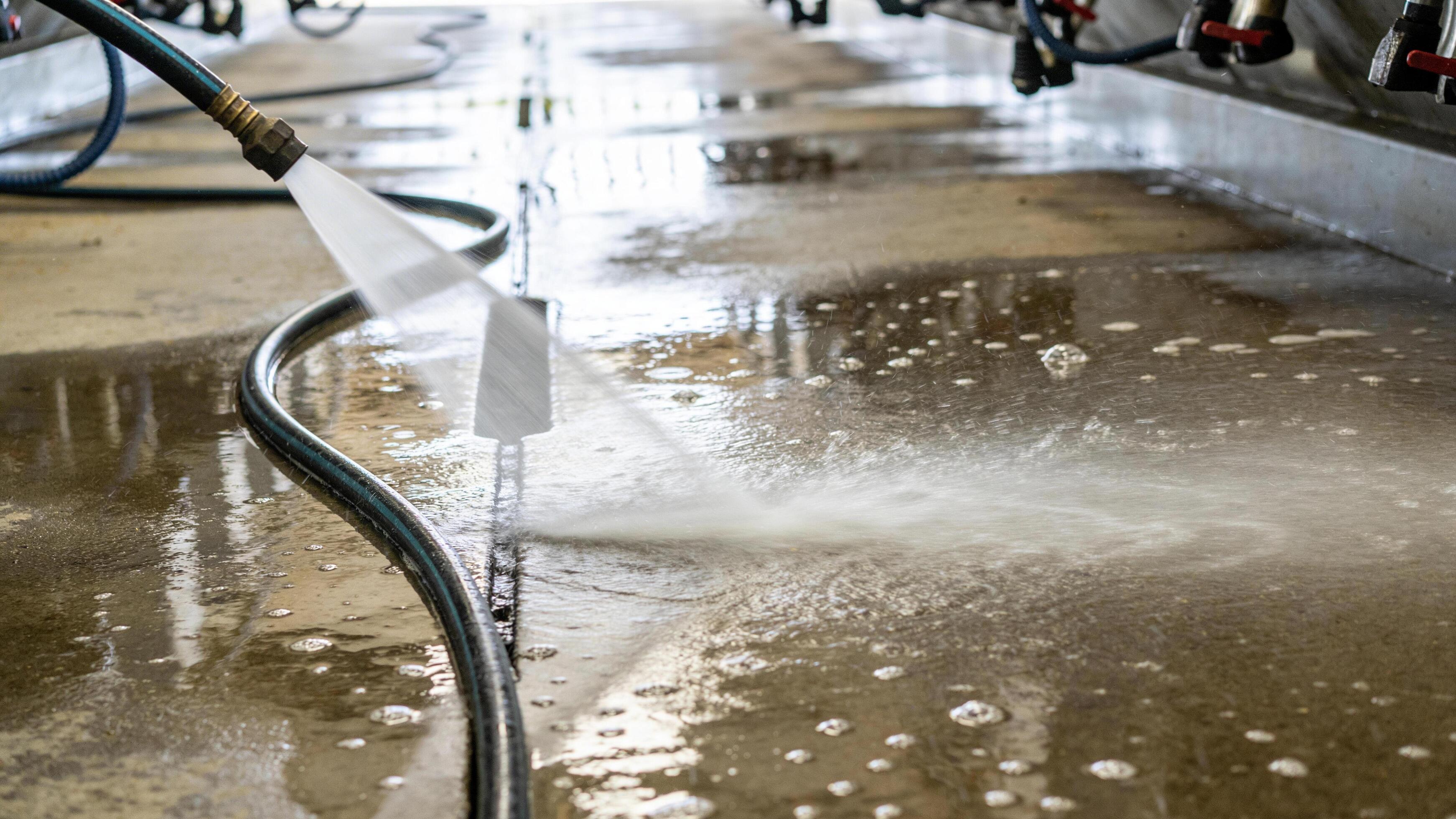
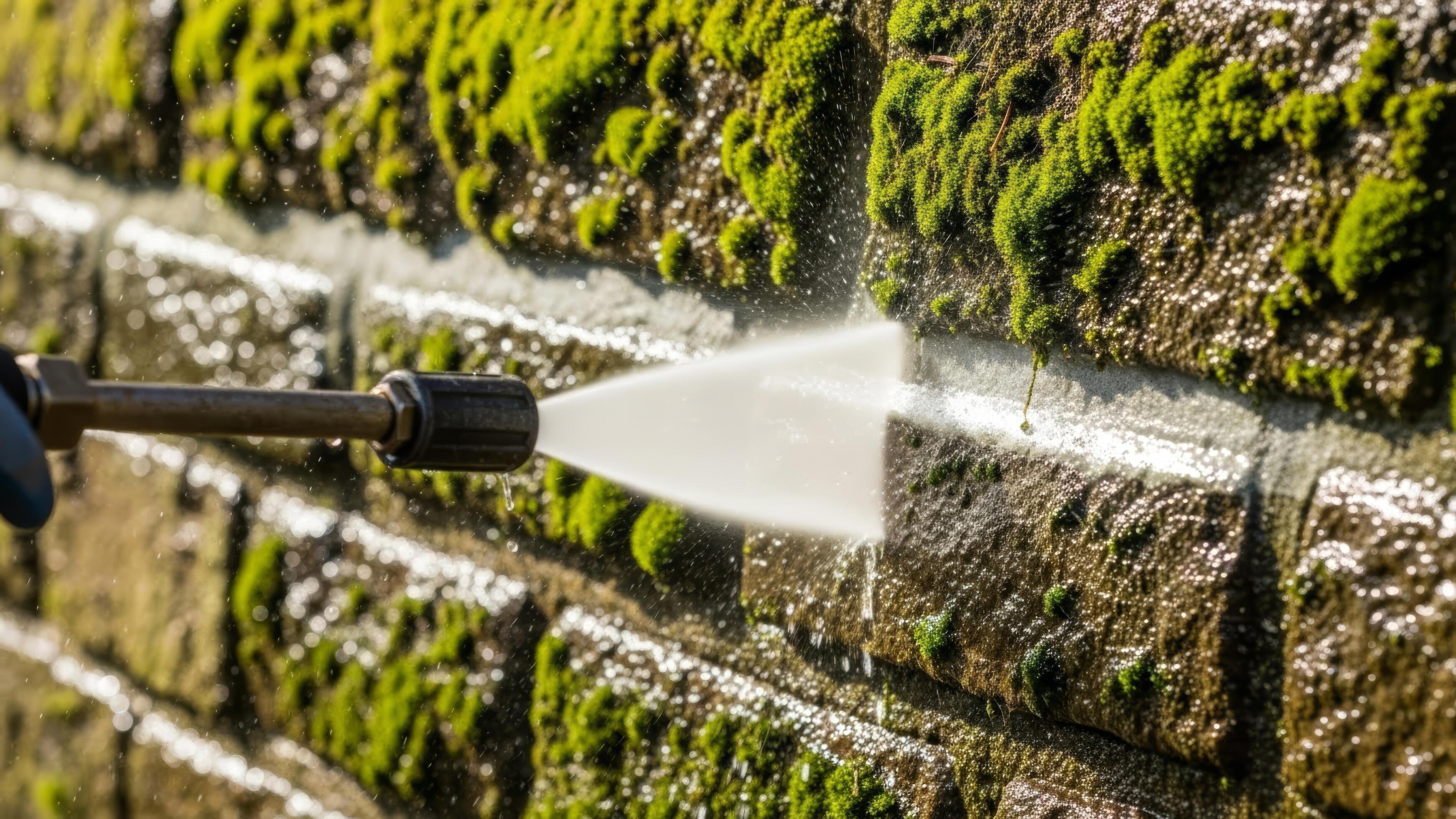
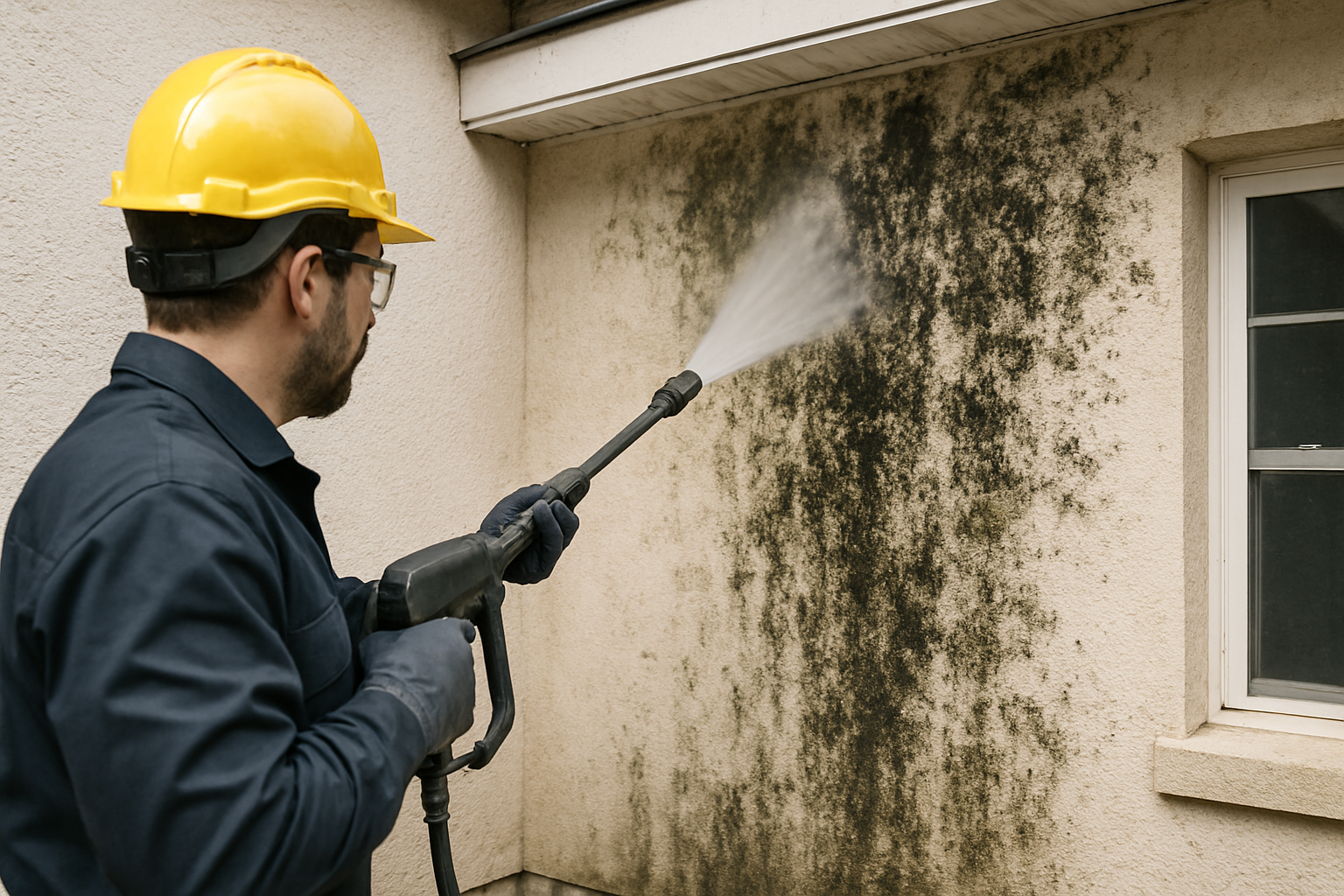
Driveways, patios, and other forms of concrete hardscapes also sustain much wear through foot traffic and heavy vehicles besides being exposed to elements. Soil, mold, and algae that cause unsightly stains can cause weaknesses in a surface over some time. Being situated on the Gulf, Naples has especially high humidity conditions, which, unfortunately, creates ideal conditions for mildew and algae to grow extremely fast. With this in mind, regular pressure washing removes it before it contributes to long-term damage and preserves its appearance and structural integrity.
Choosing the Right Pressure Settings
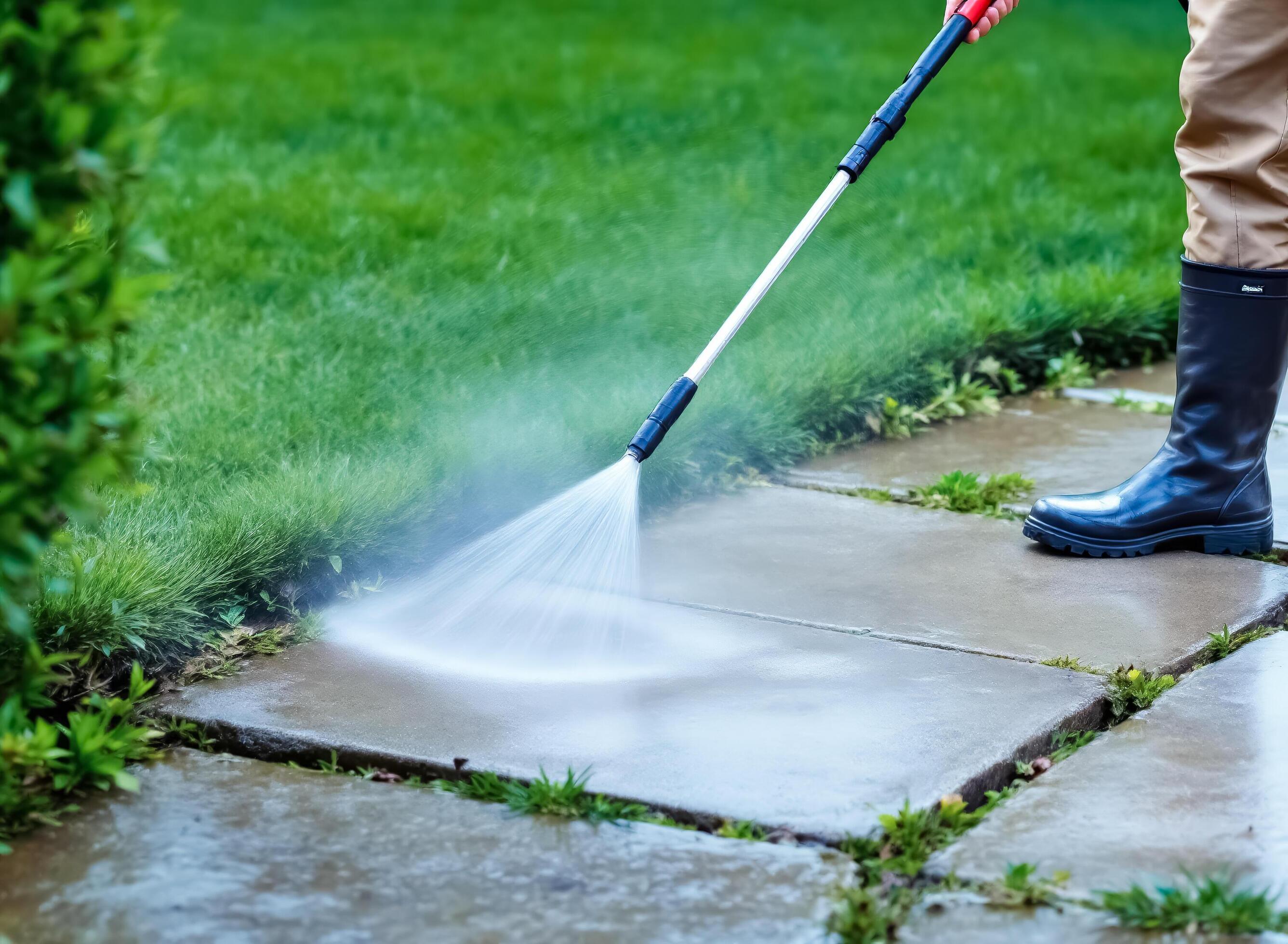
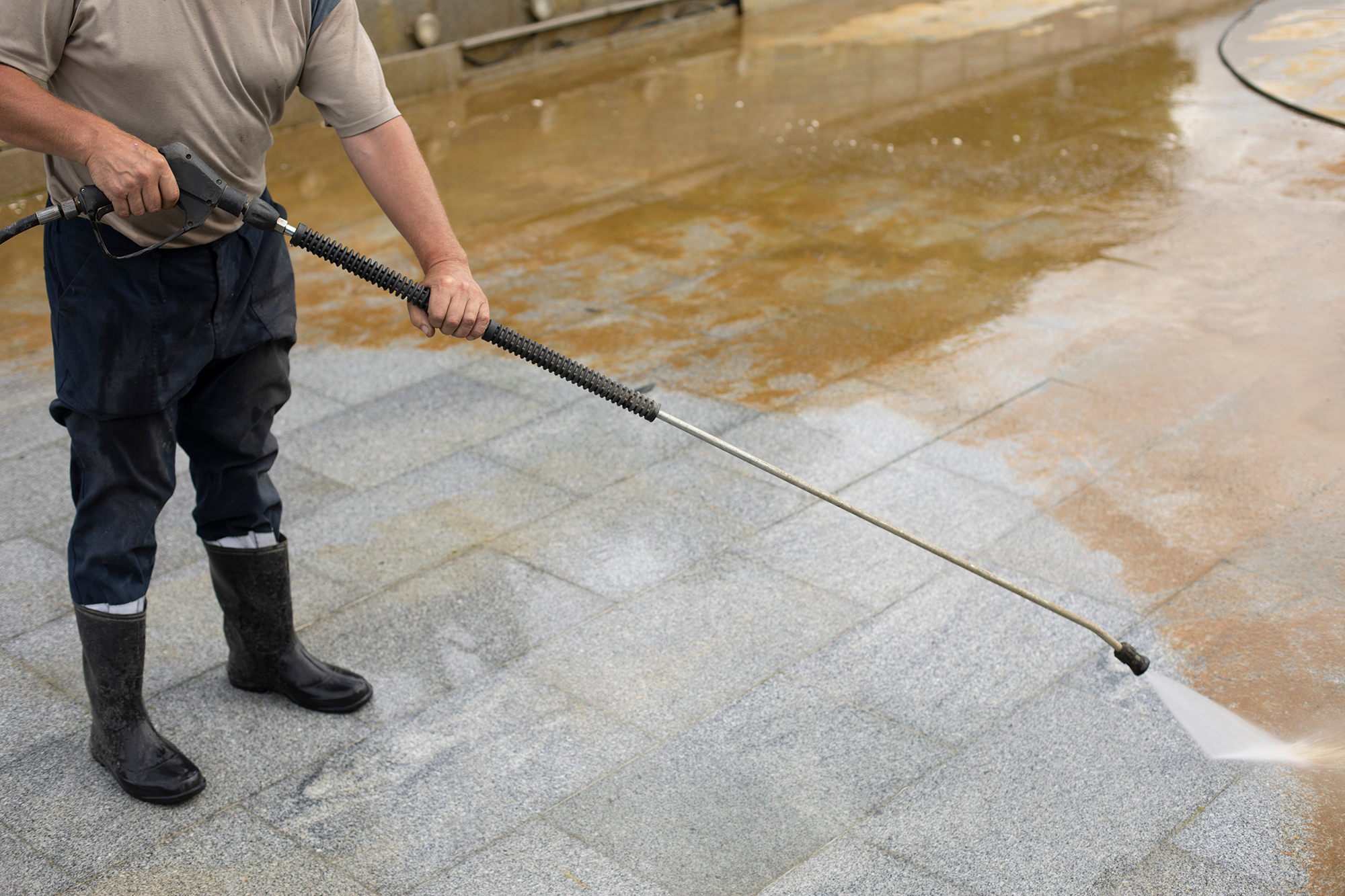
It's all about setting the right pressure so cleaning will be effective without harming the surface. Most concrete surfaces are best cleaned within a pressure range of 2,500 to 3,000 PSI, with the strength to lift dirt and stains without damage. Nozzle selection is also an important factor; for instance, fan-tip nozzles atomize water for more even distribution without unnecessary wear. Holding the wand at the right distance, usually about one foot or 12 inches off of the surface, avoids etching or pitting.
Using the Right Cleaning Solutions
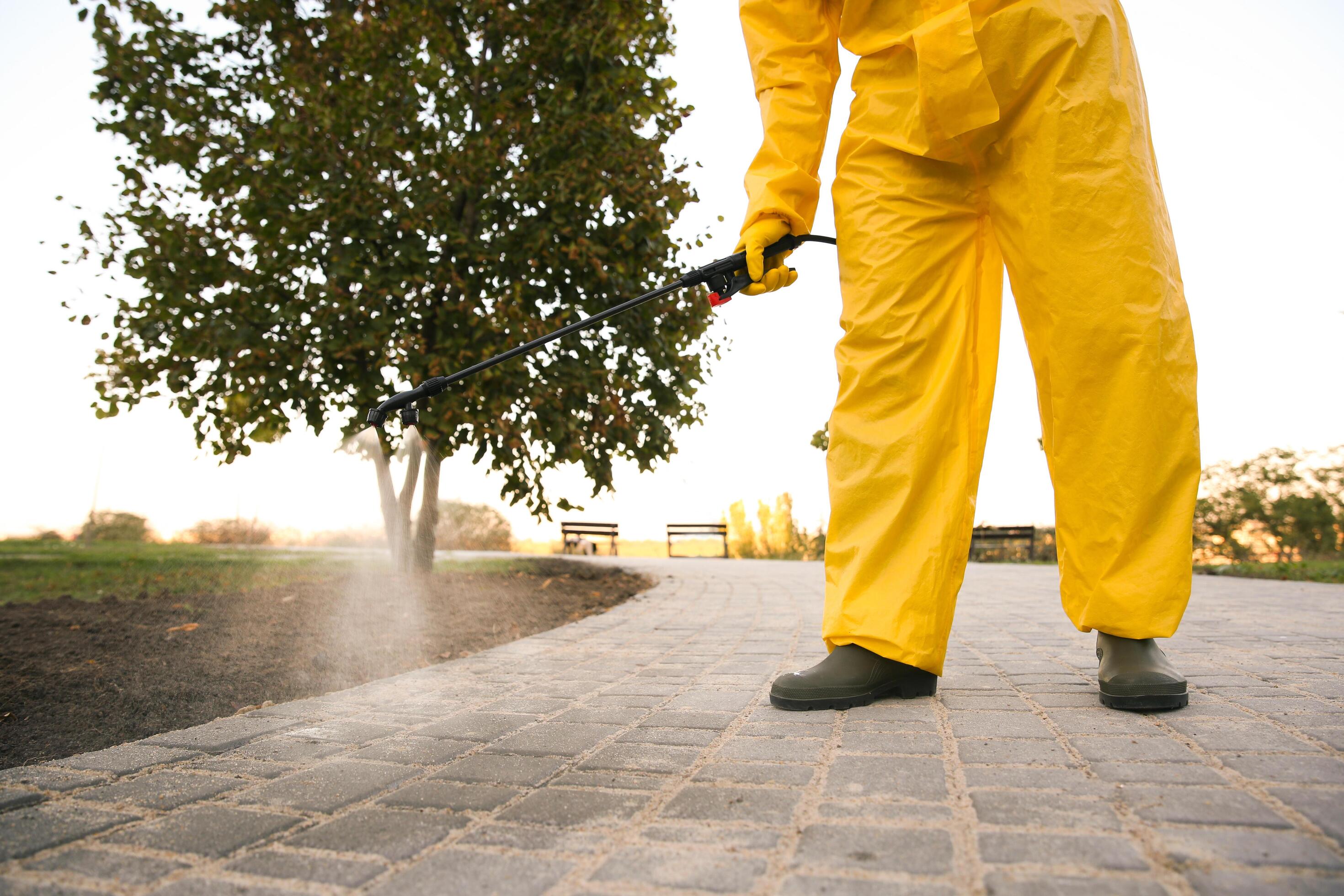
While water pressure can remove surface dirt alone, deeper stains require special cleaning solutions. Degreasers work for oil and grease spots, while mildew and algae are best treated with biodegradable detergents with mold inhibitors. Acidic cleaners help to break down discoloration caused by rust stains. Always let the cleaning solution sit for a few minutes before rinsing; allow it time to loosen embedded grime.
Sealing for Long-Term Protection
After pressure washing, the best way to keep them protected is by applying a concrete sealer. A sealant makes a blocking layer against moisture, stains, and wear due to bad weather conditions. Sealing is particularly necessary since frequent rain and high humidity accelerate the deterioration of concrete. There are two basic types: penetrating sealers that soak into the concrete and serve to fortify it from inside the core, while film-forming sealers add a protective layer on top and enhance the looks of a surface. Reapplication of a sealer every two to three years keeps concrete looking fresh and prevents premature aging.
Preventing Surface Damage
Even with proper washing methods, concrete will deteriorate over time if not properly preserved. To avoid cracks, chips, and discoloration:
Why Regular Cleaning Matters
Driveways, patios, and other forms of concrete hardscapes also sustain much wear through foot traffic and heavy vehicles besides being exposed to elements. Soil, mold, and algae that cause unsightly stains can cause weaknesses in a surface over some time. Being situated on the Gulf, Naples has especially high humidity conditions, which, unfortunately, creates ideal conditions for mildew and algae to grow extremely fast. With this in mind, regular pressure washing removes it before it contributes to long-term damage and preserves its appearance and structural integrity.
Choosing the Right Pressure Settings
It's all about setting the right pressure so cleaning will be effective without harming the surface. Most concrete surfaces are best cleaned within a pressure range of 2,500 to 3,000 PSI, with the strength to lift dirt and stains without damage. Nozzle selection is also an important factor; for instance, fan-tip nozzles atomize water for more even distribution without unnecessary wear. Holding the wand at the right distance, usually about one foot or 12 inches off of the surface, avoids etching or pitting.
Using the Right Cleaning Solutions
While water pressure can remove surface dirt alone, deeper stains require special cleaning solutions. Degreasers work for oil and grease spots, while mildew and algae are best treated with biodegradable detergents with mold inhibitors. Acidic cleaners help to break down discoloration caused by rust stains. Always let the cleaning solution sit for a few minutes before rinsing; allow it time to loosen embedded grime.
Sealing for Long-Term Protection
After pressure washing, the best way to keep them protected is by applying a concrete sealer. A sealant makes a blocking layer against moisture, stains, and wear due to bad weather conditions. Sealing is particularly necessary since frequent rain and high humidity accelerate the deterioration of concrete. There are two basic types: penetrating sealers that soak into the concrete and serve to fortify it from inside the core, while film-forming sealers add a protective layer on top and enhance the looks of a surface. Reapplication of a sealer every two to three years keeps concrete looking fresh and prevents premature aging.
Preventing Surface Damage
Even with proper washing methods, concrete will deteriorate over time if not properly preserved. To avoid cracks, chips, and discoloration:
- Avoid Using Too Much Pressure: This will weaken the surface and can cause unnecessary damage.
- Use A Sweeping Motion: Allowing the nozzle to be in one spot for too long can make uneven patterns.
- Balance Chemicals: Harsh cleansers can erode the concrete, whereas mild, neutral pH soaps clean but don't break down the substrates.
- Repair Minor Cracks Promptly: Small cracks allow moisture to seep in, leading to further deterioration. Sealing them early prevents larger structural problems.